
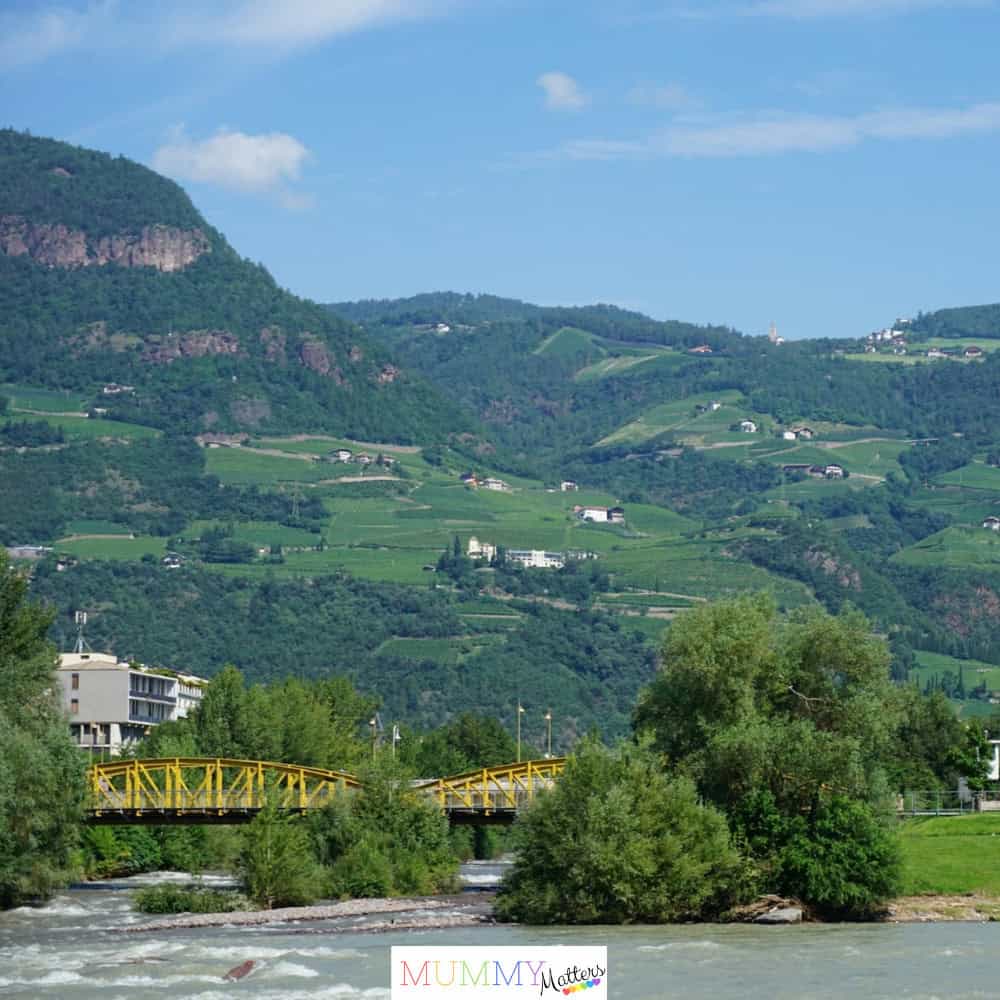
Europe’s rivers connect medieval towns, vineyard-covered hills and grand capitals in a way that roads rarely can. Scenic river journeys let you watch those settings unfold at a comfortable pace, often with a new place to explore each morning. Since ships usually dock close to historic centers, you can spend less time dealing with transfers and more time walking through old squares, visiting local markets and sitting down for coffee beside the water.
Why Europe’s rivers tell such rich stories
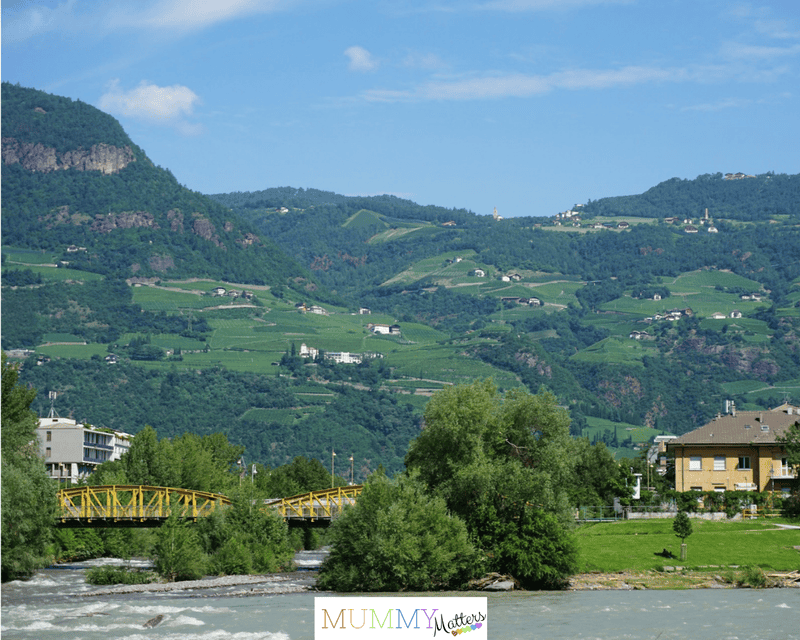
Major rivers shaped where European communities developed. They carried merchants, connected political centers and supplied fertile land for farms and vineyards. That history remains visible in stone bridges, hilltop fortifications and trading towns built along the banks.
The Rhine offers an especially clear example. The Upper Middle Rhine Valley contains castles, historic settlements and steep vineyard terraces within a relatively compact stretch. On the Danube, cities such as Vienna, Bratislava and Budapest show how one waterway can connect several languages and architectural traditions. Traveling by river helps these relationships make sense because you see the geography between each stop.
Choosing a route that fits your interests
Start with the places and experiences you care about most. Travelers drawn to castles, wine villages and dramatic gorges may find a Rhine cruise particularly appealing. The route often connects historic German towns with destinations in neighboring countries, so it suits people who want variety without frequent hotel changes.
The Danube is a strong choice for imperial architecture, classical music and larger cities. France’s Rhône and Saône rivers offer Roman sites, regional food and Provençal scenery, while the Douro winds through Portugal’s terraced valleys. Check the full itinerary before booking, including how long the ship stays in each port. A famous stop may feel rushed if the schedule allows only two hours ashore.
When to go for the best experience
Spring brings mild temperatures, blossoming riverbanks and generally manageable crowds. Water levels can vary after heavy rain, though operators may adjust schedules when conditions affect bridges or docking points. Pack a light waterproof jacket and shoes with good grip since old town streets can become slippery.
Summer offers long days and lively outdoor cafes, but popular ports feel busier, and temperatures can climb. September and October are excellent for vineyard regions, where changing leaves add warm color to the hills. Late November and December departures often focus on seasonal markets. These trips have a festive feel, though daylight hours are shorter and you’ll need warm layers for evening walks.
Make the most of every stop
Read the next day’s schedule each evening and mark one priority for the port. In Cologne, that might be the cathedral. In Strasbourg, you may prefer a walk through the canals and half-timbered streets of Petite France. Picking one main sight leaves room for unplanned discoveries without turning the visit into a race.
Guided tours can provide useful historical context, particularly in cities with layered Roman, medieval and modern stories. Still, leave some time to explore independently. Step one or two streets away from the busiest square to find neighborhood bakeries, small parks and quieter views. Carry a compact day bag with water, a phone charger, sun protection and any medication you’ll need before returning to the ship.
Small details that improve the trip
Cabin location affects comfort more than many first-time travelers expect. Lower decks may offer limited views, while cabins near stairs or shared lounges can receive more passing foot traffic. Review deck plans and ask about elevators if mobility is a concern. River vessels are smaller than large ocean ships, but older docks and cobbled streets can still create accessibility challenges.
Bring clothes you can layer and repeat. Most river itineraries have a relaxed dress code, so a few mix-and-match outfits are usually enough. Binoculars also earn their place in your luggage. Castles, church towers and hillside villages often appear briefly between ports, and spotting them from the deck becomes part of the fun.
Let the river set the pace
A European river trip works best when you give the passing scenery as much attention as the ports. Spend an hour on deck as the ship moves through a gorge or approaches a city at sunset. Those quiet stretches reveal how vineyards follow the slopes, how towns gather around church spires and how closely history follows the water.
Years later, you may remember a major cathedral or palace, but the smaller scenes often stay vivid too: morning mist above the river, bicycles crossing an old bridge or lights appearing in hillside homes as the ship moves toward its next stop.