

Dog owners often describe loyalty in different ways—some dogs refuse to leave your side, others watch over you like family, and a few never miss the chance to curl up at your feet. While every dog is loyal in its own way, some breeds repeatedly top the list according to owners and behavior experts. Purebred dogs are also more prone to certain breed-specific genetic conditions, which we’ll cover in this article as well.
1. German Shepherd
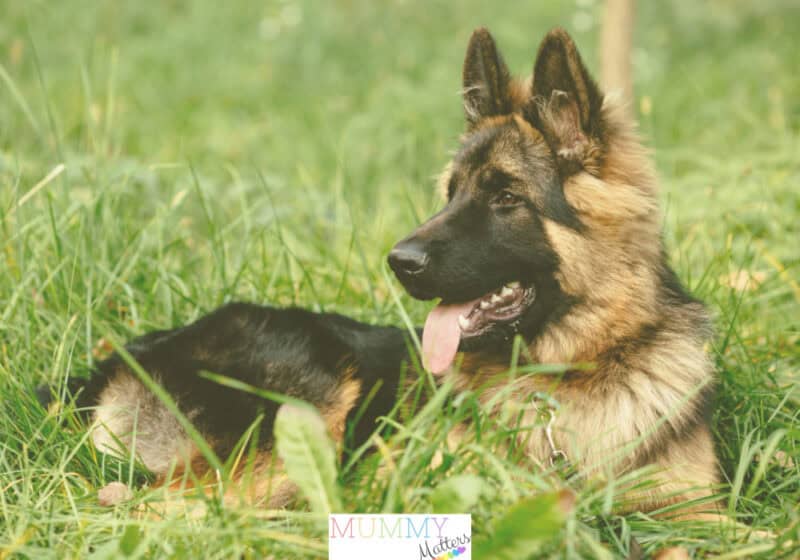
Known for their strong protective instincts, German Shepherds form deep bonds with their families. Owners often say their dog won’t let them out of sight—whether they’re getting something from the kitchen or going for a morning walk.
Like many purebreds, German Shepherds may develop hip or joint problems as they age. Their close bond with their family makes it easier for owners to notice when something feels off, from a slower walk to a little extra stiffness.
2. Labrador Retriever

Labs are friendly, eager to please, and famously people-focused. They’re loyal in a calm, dependable way—always ready to follow you around or rest their head on your lap.
Labs can be prone to heart issues. When caught early, these can often be managed, but for a senior dog, it’s harder to know what’s too much. Many owners debate when to put down a dog with congestive heart failure, ensuring they live a comfortable life.
3. Golden Retriever

Goldens are emotionally intelligent and incredibly people-oriented. Their loyalty shows through gentle companionship, constant affection, and an unwavering desire to be near their owners and family members. They’re the type of dog who senses moods, offering comfort when someone is feeling down and sharing in moments of joy without needing any reward.
As a pure breed, Goldens are predisposed to certain health concerns, especially cancers and joint issues. Because they often stay cheerful even when uncomfortable, owners rely on small behavioral shifts to understand when something isn’t right.
4. Beagle

Beagles may be small, but their loyalty runs deep. They love being part of the family “pack,” follow their people everywhere, and form strong attachments to household routines. Their curiosity and energy are balanced by a steadfast devotion to their owners, making them both playful companions and reliable family members.
Health-wise, Beagles can be prone to ear infections, back issues, and weight gain. Their close bond with their families often makes early symptoms noticeable—changes in appetite, reluctance to play, or unusual vocalizations.
5. Shih Tzu

Shih Tzus’ loyalty is unmistakable. Originally bred as royal companion dogs, they were literally designed to stay close to their people—whether curled up beside you on the couch, sitting at your feet while you work, or following you from room to room with their quiet, steady presence. Their devotion isn’t loud or demanding; it’s gentle, affectionate, and constant.
Shih Tzus commonly experience eye issues, breathing problems, and skin sensitivities. Their loyal nature means they often try to remain near their owners even when uncomfortable.
Can You Train Your Dog to Be Loyal?
Loyalty is partly instinct, but it grows stronger through the way you care for your dog every day. While you can’t teach loyalty like a command, you can shape it through consistent routines, positive reinforcement, and meeting their physical and emotional needs. These habits build trust — and trust is what deepens a dog’s loyalty over time.
During major changes in health or behavior, that bond can feel even stronger. Some owners pick up on very important changes—sometimes sensing the signs that a dog is dying even before a vet confirms anything, a parent’s instinct if you call it—which reflects how deeply that loyalty has become.
Loyalty, in the end, doesn’t just make dogs devoted companions—it helps us understand, protect, and cherish them through every stage of life.