
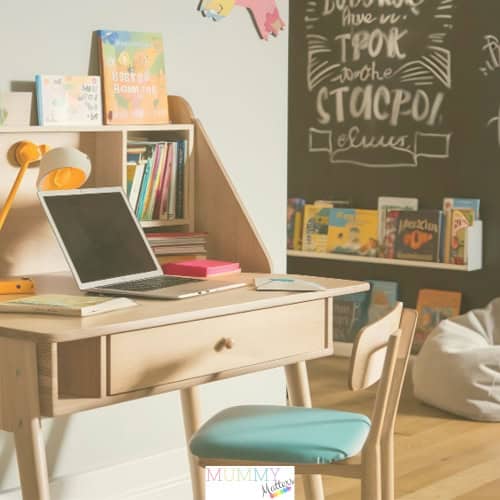
Homeschooling gives families freedom, flexibility, and the chance to shape education around their children. At the same time, learning at home can blur the line between school life and home life. When lessons happen at the kitchen table or on the couch, distractions are everywhere. This is why creating a separate learning space for homeschooling matters so much.
A dedicated learning area helps children focus, build routines, and take their education seriously. It also helps parents feel more organized and confident as teachers. With the right setup, homeschooling can feel structured, calm, and productive instead of chaotic.
Why a Dedicated Learning Space Matters

Children learn best when they can focus. A separate learning space signals that it is time to learn. When a child walks into that space, their mind begins to shift into school mode. This mental shift is powerful and helps reduce resistance to starting lessons.
A learning space also creates consistency. When school happens in the same place each day, children know what to expect. This routine builds good habits like sitting down on time, organizing materials, and completing work with less conflict.
How Environment Impacts Learning and Behavior
The environment plays a big role in how children behave and absorb information. Noise from siblings, television, or household chores can make it hard to concentrate. Visual clutter can overwhelm young learners and cause frustration.
A calm and organized space supports better behavior and learning. Children are less likely to wander, complain, or lose focus when their environment feels intentional. Over time, they begin to associate that space with learning, curiosity, and responsibility.
Benefits for Parents and Educators
A separate learning space helps parents too. Teaching becomes easier when lessons are not interrupted by daily household tasks. Parents can plan lessons, store supplies, and track progress without constantly resetting the space.
It also helps define the school day. When learning happens in one location, parents and children both know when school starts and ends. This clear boundary reduces burnout and keeps education from spilling into every moment of the day.
Designing an Effective Homeschool Learning Space
An effective learning space does not need to be large or expensive. It does need to be intentional. Start by choosing a quiet area with good lighting. Natural light is ideal, but quality lamps also work well.
Comfort matters. Desks and chairs should fit the child’s size and support good posture. Storage for books, notebooks, and supplies helps keep the space tidy. A clean space reduces stress and makes it easier to focus.
Personal touches also help. Educational posters, artwork, or a small bookshelf can make the space inviting without becoming distracting.
Using a Shipping Container as a Separate Homeschool Classroom
For families who want true separation between home and school, a shipping container classroom is a creative and effective solution. A container placed in the backyard creates a clear physical boundary between daily life and learning time.
This separation can dramatically improve focus. Walking out of the house and into a dedicated classroom helps children take learning more seriously. It feels different from sitting at a kitchen table and helps establish discipline and independence.
Shipping containers can be customized to meet educational needs. Insulation, windows, lighting, and electrical outlets can be added to create a comfortable learning environment. Climate control keeps the space usable year round, while thoughtful layout allows room for desks, whiteboards, and storage.
Proper airflow is essential in any enclosed learning space. Planning for shipping container ventilation helps maintain fresh air, regulate temperature, and keep students comfortable during long study sessions.
A container classroom can grow with your family. When homeschooling needs change, the space can be repurposed as an office, studio, or guest room.
Budget Friendly and Scalable Solutions
Creating a separate learning space does not always mean building something new. Some families convert garages, sheds, or spare rooms. These options can work well if they are quiet and free from household traffic.
A shipping container offers long term value. It is durable, customizable, and movable if needed. While the initial setup may require investment, the flexibility and lifespan often make it cost effective over time.
As children grow, the space can adapt. A reading nook for young learners can later become a desk setup for teens. This scalability makes dedicated learning spaces a smart choice for growing families.
Best Learning Tools to Add to Your Homeschool Classroom
The right learning tools can make a big difference in how effective and enjoyable homeschooling feels. A well equipped classroom supports focus, creativity, and independent thinking. These tools do not need to be expensive or complicated. Simple, practical items often work best.
Start with a sturdy desk and comfortable chair sized for your child. Adjustable furniture is a smart choice as children grow.
A whiteboard or chalkboard is another essential tool. It allows for visual teaching, quick explanations, and interactive lessons. Children often learn better when they can see ideas written out and participate in the process.
Good storage solutions keep the classroom organized. Shelving, bins, and drawers make it easy to access books and supplies while keeping clutter under control. An organized space leads to clearer thinking and smoother lessons.
Educational tools like globes, maps, and basic science kits bring lessons to life. Hands on materials help children understand concepts instead of just memorizing facts. These tools encourage curiosity and deeper learning. Printable resources such as those from Cazoom Maths can also support structured learning, offering ready‑made worksheets that help children practise key maths skills independently
Technology can also play a role. A laptop or tablet with educational software supports research, writing, and online learning. Headphones are helpful for focused work and educational videos without distractions.
Creating Consistency and Routine
Routine is one of the biggest benefits of a separate learning space. Starting each day by entering the classroom sets expectations. Ending the day by leaving the space reinforces closure and accomplishment.
Parents can use the space to teach responsibility. Children learn to keep their area clean, organize materials, and respect the purpose of the room. These habits support independence and confidence.
Consistency also reduces power struggles. When the environment clearly signals school time, children are less likely to argue about starting lessons.
Common Mistakes to Avoid
One common mistake is mixing play and learning spaces. Toys, games, and entertainment items can quickly derail focus. Keeping the learning space dedicated to education helps maintain structure.
Poor lighting and uncomfortable seating are also issues. Children who are uncomfortable will struggle to concentrate. Investing in basic comfort goes a long way.
Overdecorating can be another problem. Too many visuals can overwhelm young learners. Simple and clean design usually works best.
Conclusion
Creating a separate learning space for homeschooling is one of the most effective ways to improve focus, behavior, and learning outcomes. It helps children take their education seriously and supports parents in their teaching role.
From simple room conversions to innovative shipping container classrooms, the key is intentional separation. When learning has its own place, homeschooling becomes calmer, more structured, and more rewarding for the entire family.