
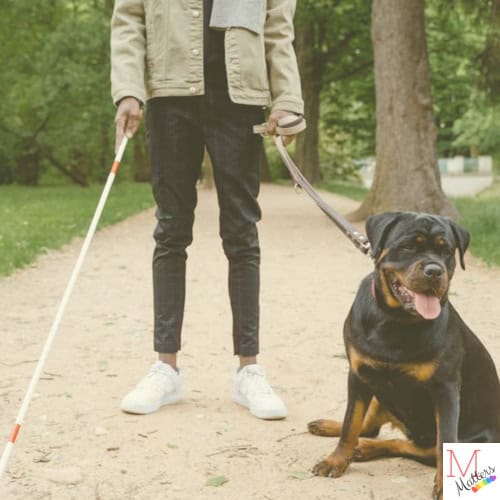
For those with disabilities, service dogs can provide mobility assistance and emotional support, helping to improve independence and confidence. They also make great companions for those battling disabilities alone. However, it is important that you have a qualifying disability and that you have the time and money for your dog’s training and care.
This post delves more into whether you should get a service dog – including some of the benefits and challenges.
The Benefits of Getting a Service Dog

If you have mobility issues, a service dog could be trained to offer assistance such as providing balance support, picking up items you drop, retrieving items like TV remotes and shoes, and even helping to open doors. For those with hearing loss, they can also bark to alert you to doorbells or medication alarms.
Service dogs can also provide reassurance for people tackling mental health conditions like PTSD, depression and anxiety. They can reduce loneliness and provide a reason to go outside, while also encouraging social interaction (lots of people talk to you when you have a dog!).
Overall, service dogs help to provide confidence when navigating the everyday world. Many handlers and caregivers report better emotional functioning.
The Drawbacks of Getting a Service Dog
While a service dog can be provided for free, you still ultimately have to pay for its care. For individuals who are financially struggling, the cost of food and vet bills may be too much.
Service dogs are also a big time commitment. You need to make time to walk them and train them. Ongoing professional training may be required for some service dogs, and you will likely need to take part in these training sessions.
Knowing where service dogs are allowed is also important. When going grocery shopping, you may have to look into service animals vs pets at Target and determine whether your store allows them. Fortunately, most places do allow service dogs nowadays, but there are still some locations where dogs are not allowed due to health and safety reasons.
How to Adopt a Service Dog
To get a service dog, you first need to make sure that you meet the eligibility requirements. These requirements vary around the world, but typically, you need to have a diagnosed disability that substantially limits one or more major life activities.
You can apply through organizations where you can be given a service dog that has already undergone basic training (although further training will be needed). You will be able to choose the dog, and you may not have to pay anything when going through select charities.
Alternatively, you can adopt and train a dog yourself. Some people love the challenge of this, while others find training difficult. For assistance with severe mobility issues, it may be advised that you hire a professionally trained dog. It’s worth noting that you must still have the capacity to look after the dog and may be denied a service dog if you have a declining condition and do not have other human caregivers assisting you.