

Rejection is something everyone experiences. A missed job opportunity. A friend who doesn’t reply. A partner who seems distant. For most people, these moments sting — but they pass.
For others, the pain is overwhelming, immediate and all-consuming.
This is rejection sensitive dysphoria (RSD) — sometimes referred to as rejection sensitivity dysphoria — a term used to describe extreme emotional sensitivity to rejection, criticism or perceived failure. Although RSD isn’t currently a formal psychiatric diagnosis, it is widely discussed within the ADHD community and increasingly recognised by clinicians working in mental health.
If you’ve never heard of RSD, this guide will help you understand what it actually is, what it feels like, how debilitating it can be, and how people with RSD — and those who love them — can find support.
What Is Rejection Sensitive Dysphoria (RSD)?
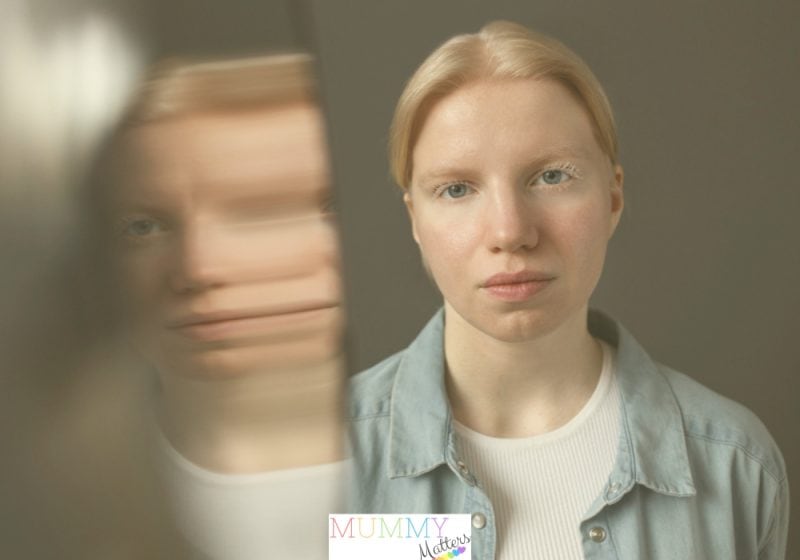
Rejection sensitive dysphoria (RSD) describes an intense emotional response to real or perceived rejection, criticism, or failure.
- Rejection = being excluded, criticised, ignored, or feeling unwanted
- Sensitive = heightened sensitivity or emotional reactivity
- Dysphoria = deep emotional discomfort or pain
Put together, RSD refers to extreme emotional pain triggered by rejection or criticism.
Many experts, including clinicians writing for organisations such as the ADDitude ADHD Experts, suggest that RSD is especially common in people with ADHD. Research discussed by the National Institutes of Health (NIH) highlights how emotional dysregulation is a core feature of ADHD — which helps explain the link between RSD and ADHD.
RSD is often described as an invisible but severe aspect of living with ADHD.
Understanding Rejection and Why It Hurts
Rejection activates the same neural pathways as physical pain. According to research referenced by the American Psychological Association (APA), social rejection can literally “hurt”.
But for people with rejection sensitivity dysphoria, the reaction goes far beyond ordinary disappointment.
Where someone without RSD might feel embarrassed or frustrated, someone with RSD may:
- Experience overwhelming shame
- Feel sudden hopelessness
- Spiral into self-blame
- Interpret neutral events as personal rejection
This heightened emotional sensitivity can be triggered by something as small as a delayed text message.
Symptoms of Rejection Sensitive Dysphoria
The symptoms of rejection sensitive dysphoria can be both emotional and behavioural.
Emotional Symptoms of RSD
People with RSD may experience:
- Intense emotional reactions to rejection
- Extreme emotional sensitivity
- Fear of failure or rejection
- Feelings of rejection even when none was intended
- Sudden drops in mood
- Deep shame after perceived rejection or criticism
These RSD symptoms often appear suddenly and feel disproportionate to the situation.
Behavioural Symptoms of RSD
People with RSD may:
- Avoid situations where potential rejection might occur
- Strive for perfection to avoid criticism or rejection
- Overreact to feelings of rejection
- Withdraw socially after rejection from others
- Become overly sensitive to feedback
The fear of rejection can lead to people with RSD either becoming high achievers — desperate to avoid failure and rejection — or avoiding challenges altogether.
The Impact of RSD: How Debilitating Is It?
The impact of RSD can be profound.
For someone with RSD, a minor comment can trigger intense emotional pain that lasts hours or even days. RSD can feel:
- Like a punch to the stomach
- Like being suddenly unloved
- Like catastrophic failure
- Like losing a relationship, even when nothing has changed
People with RSD often describe it as emotional pain that is unbearable in the moment. Some report that RSD may contribute to depression, symptoms of social anxiety, and other mental health conditions.
RSD is often triggered by perceived rejection rather than actual rejection. A neutral facial expression can be interpreted as criticism or rejection.
This makes everyday life exhausting.
RSD and ADHD: What Is the Link?

One of the most discussed aspects of RSD is the strong link between RSD and ADHD.
Many clinicians believe rejection sensitive dysphoria is closely linked to ADHD due to emotional dysregulation — a core feature of ADHD.
Why Is RSD Common in People with ADHD?
People with ADHD often:
- Experience rejection and failure more frequently in childhood
- Receive more criticism or rejection in school or work
- Struggle with impulsivity and emotional regulation
Over time, this can heighten emotional sensitivity to rejection.
Within the ADHD community, RSD is described as a common in people with ADHD experience. Some experts suggest that up to 30–40% of individuals with ADHD experience RSD symptoms.
However, it’s important to note that RSD isn’t limited to people with ADHD. It can also appear in people without ADHD, and in those with autism and ADHD or other conditions involving emotional regulation.
ADHD and RSD in Adults
Adults with ADHD also report intense emotional reactions to rejection in romantic relationships, workplaces and friendships.
Adult ADHD can make rejection feel amplified. Adults with ADHD also often report:
- Sensitivity to rejection or criticism
- Fear of potential rejection
- Emotional sensitivity to rejection
- Strong reactions to social rejection
The link between RSD and ADHD is still being researched, but growing evidence suggests that RSD relates to ADHD more than previously understood.
What RSD Feels Like (From the Inside)
If you’ve never experienced RSD, it can be difficult to grasp.
Here’s what people with RSD commonly describe:
“It’s not just embarrassment. It’s unbearable shame.”
“I feel like I’ve been abandoned.”
“It feels like everyone suddenly hates me.”
“My brain tells me I’ve failed completely.”
RSD can feel like intense emotional pain that arrives instantly after rejection or criticism.
For someone with RSD:
- A small disagreement may feel like relationship-ending rejection
- Mild feedback may feel like a character attack
- Silence may feel like rejection from others
People who don’t have RSD usually recover quickly from rejection. People with RSD often cannot “just brush it off”.
This difference between rejection and RSD reactions is crucial to understanding rejection sensitivity dysphoria.
What Causes RSD?
The causes of RSD are not fully understood.
However, theories suggest that RSD may stem from:
- Neurological differences in emotional regulation
- ADHD-related brain chemistry
- Repeated early experiences of rejection and criticism
- Trauma related to failure and rejection
Because RSD is often linked to ADHD, researchers believe the same executive functioning differences that affect attention may also influence emotional regulation.
Some experts suggest that RSD is a significant emotional experience in ADHD that has historically been under-recognised.
Treatment for RSD and How to Manage It
While RSD isn’t an official diagnosis, many people seek ways to treat RSD symptoms and manage RSD in daily life.
1. ADHD Medication
In patients with ADHD, certain ADHD medications may reduce emotional reactivity. Some clinicians report that medications used to treat ADHD can also reduce RSD intensity.
Always consult a qualified healthcare professional before starting or adjusting medication.
2. Therapy
Cognitive Behavioural Therapy (CBT) can help individuals with RSD:
- Challenge thoughts of perceived rejection
- Reframe criticism or rejection
- Develop coping strategies
Dialectical Behaviour Therapy (DBT) can also help with emotional regulation.
3. Emotional Regulation Skills
Approaches for managing RSD include:
- Pausing before reacting
- Naming the emotional response
- Reality-checking assumptions
- Practising self-compassion
Learning to separate actual rejection from perceived rejection is key.
4. Lifestyle Support
- Adequate sleep
- Exercise
- Reducing stress
- Support networks
All can reduce the intensity of RSD episodes.
How to Help Someone with RSD

If you care about someone with RSD, your support matters.
What Helps
- Be clear and direct in communication
- Reassure when appropriate
- Avoid sarcasm around sensitive topics
- Validate their emotional response
Saying “I can see that really hurt you” is more helpful than “You’re overreacting”.
What Doesn’t Help
- Dismissing their feelings
- Calling them overly sensitive
- Withdrawing during conflict
Remember: their reaction may feel extreme, but the emotional pain is real.
Frequently Asked Questions About Rejection Sensitive Dysphoria
Is RSD a real medical diagnosis?
RSD isn’t currently listed in the DSM-5. However, many clinicians acknowledge it as a common experience in ADHD and related conditions.
Can you have RSD without ADHD?
Yes. Although RSD is often linked to ADHD, some people experience RSD without ADHD.
No. While there may be overlap, social anxiety focuses on fear of social judgement, whereas RSD involves intense emotional reactions to rejection or criticism.
Can RSD be cured?
There is no single cure. However, many people successfully manage RSD with therapy, medication, and emotional regulation strategies.
Final Thoughts: Building Understanding Around RSD
Rejection sensitive dysphoria is more than being “too sensitive”.
For people with RSD, rejection can feel catastrophic. The emotional response is immediate and overwhelming. It can affect careers, relationships and self-esteem.
Greater understanding of RSD — particularly its connection to ADHD — allows more compassion, better support and more effective treatment.
If you or someone you love struggles with rejection sensitivity dysphoria, speaking to a qualified mental health professional is an important first step.