
If you’ve ever stepped out of bed in the morning and felt a sharp, stabbing pain in your heel or along the arch of your foot, you’re not alone. Plantar fasciitis pain is one of the most common causes of foot pain — and for many people, the right plantar fasciitis insoles can make a genuine, life-changing difference.
This guide explains how insoles for plantar fasciitis work, what podiatrists recommend, and how to choose the best insoles for plantar fasciitis for your feet, shoes, and lifestyle.
What Is Plantar Fasciitis and Why Does It Hurt So Much?

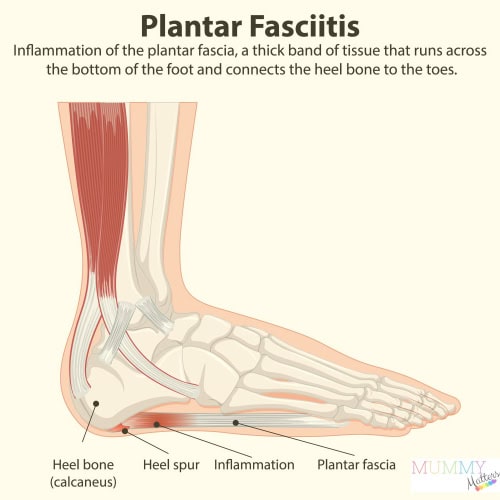
Plantar fasciitis occurs when the plantar fascia — a thick band of tissue that runs along the bottom of your foot — becomes irritated or inflamed. It connects the heel bone to the toes and supports the arch of the foot.
This condition often:
- Causes heel pain first thing in the morning
- Feels worse after long periods of rest
- Is associated with tight calves, flat feet, or a high arch
- Is common in people who spend hours on your feet or are on their feet all day
According to the NHS, plantar fasciitis is one of the most frequent causes of heel pain and is often linked to footwear that lacks proper support.
How Insoles Help Relieve Plantar Fasciitis Pain
A high-quality insole works by reducing strain on the plantar fascia while improving foot support, shock absorption, and alignment from heel to knee.
Key ways insoles help:
- Support the arch and heel to reduce tension
- Stabilise the foot inside the shoe
- Improve cushioning in the heel
- Help alleviate plantar fasciitis by redistributing pressure
- Reduce fatigue, knee pain, and ongoing pain and discomfort
Unlike soft padding alone, orthotic insoles are designed to support the foot structurally — not just cushion it.
The Best Insoles for Plantar Fasciitis (Podiatrist-Recommended)
Powerstep Insoles (Best Overall)
The first brand many podiatrists suggest is Powerstep.
Powerstep insoles combine:
- Firm arch support and cushioning
- A stabilising deep heel cup
- EVA foam for durability and shock absorption
- Designs suitable for walking shoes, running shoes, work shoes, and work boots
They’re often recommended as a medical-grade alternative to custom orthotics and are ideal for people with plantar fasciitis, heel pain, or arch pain.
Other Effective Plantar Fasciitis Insoles to Consider
FootActive Plantar Fasciitis Insoles
Popular in the UK, footactive plantar fasciitis insoles offer structured support with a pronounced heel cup and targeted arch support. They’re a strong option for everyday footwear and walking shoes.
Scholl’s Plantar Fasciitis Insoles
Scholl’s (also written as Scholl’s or Scholl’s) provide affordable insoles designed for heel pain relief. While softer than medical orthotics, Scholl’s plantar fasciitis insoles can be helpful for mild symptoms or short-term use.
Currex RunPro Insoles
Designed specifically for runners, currex runpro insoles support the forefoot and heel while maintaining responsiveness inside a sneaker or running shoe. These are a good option if plantar fasciitis pain flares during activity.
Choosing the Right Insole for Your Foot Type
Flat Feet
If you have flat feet, look for:
- Moderate arch support
- A firm heel cup
- Stability rather than excessive cushion
High Arch
A high arch needs:
- Enhanced cushioning
- Shock absorption
- Support across the arch of your foot
Heel Pain Focus
For severe heel pain:
- Look for a gel heel, heel pad, or gel heel cups layered with structural support
- Avoid insoles that compress too easily
Insoles vs Orthotics: What’s the Difference?
- Insoles: Over-the-counter inserts that improve comfort and support
- Orthotics: Medical devices prescribed by a podiatrist
Many plantar fasciitis orthotics now blur the line — high-quality insoles are often sufficient for relief from plantar fasciitis without the cost of custom devices.
The Mayo Clinic notes that supportive inserts are commonly recommended before invasive treatment.
What Shoes Work Best With Plantar Fasciitis Insoles?
The best insoles work best inside supportive footwear:
- Walking shoes with a firm heel counter
- Running shoes with removable liners
- Work shoes and work boots with depth
- Avoid high heels and unsupportive flats
Most insoles can be trimmed to fit your shoe — always match the insole to the shoe size and remove the factory liner if needed.
FAQs: Plantar Fasciitis Insoles
Do insoles really help plantar fasciitis?
Yes. Insoles that support the plantar fascia and reduce heel strain can significantly reduce symptoms.
How long does it take to feel relief?
Many people feel improvement within 1–2 weeks, though full plantar fasciitis relief may take several months.
Should I see a podiatrist?
If pain persists, worsens, or affects daily movement, a podiatrist can assess alignment, footwear, and whether orthotics are needed.
Should I avoid insoles?
Avoid insoles that are too soft, lack arch support, or collapse quickly — they may worsen symptoms.
Expert-Backed Tips for Maximum Pain Relief
- Wear supportive insoles in all footwear, even at home
- Stretch calves and the plantar fascia daily
- Replace worn insoles regularly
- Combine insoles with supportive shoes — not instead of them
Final Thoughts: Do Insoles Help Alleviate Plantar Fasciitis?
For most people with plantar fasciitis, the answer is yes. The right insoles can reduce pain, improve mobility, and help prevent recurrence — especially when combined with proper footwear and daily stretching.
If you’re dealing with ongoing heel or arch pain, investing in high-quality plantar fasciitis insoles is often the next best step before more invasive treatments.