
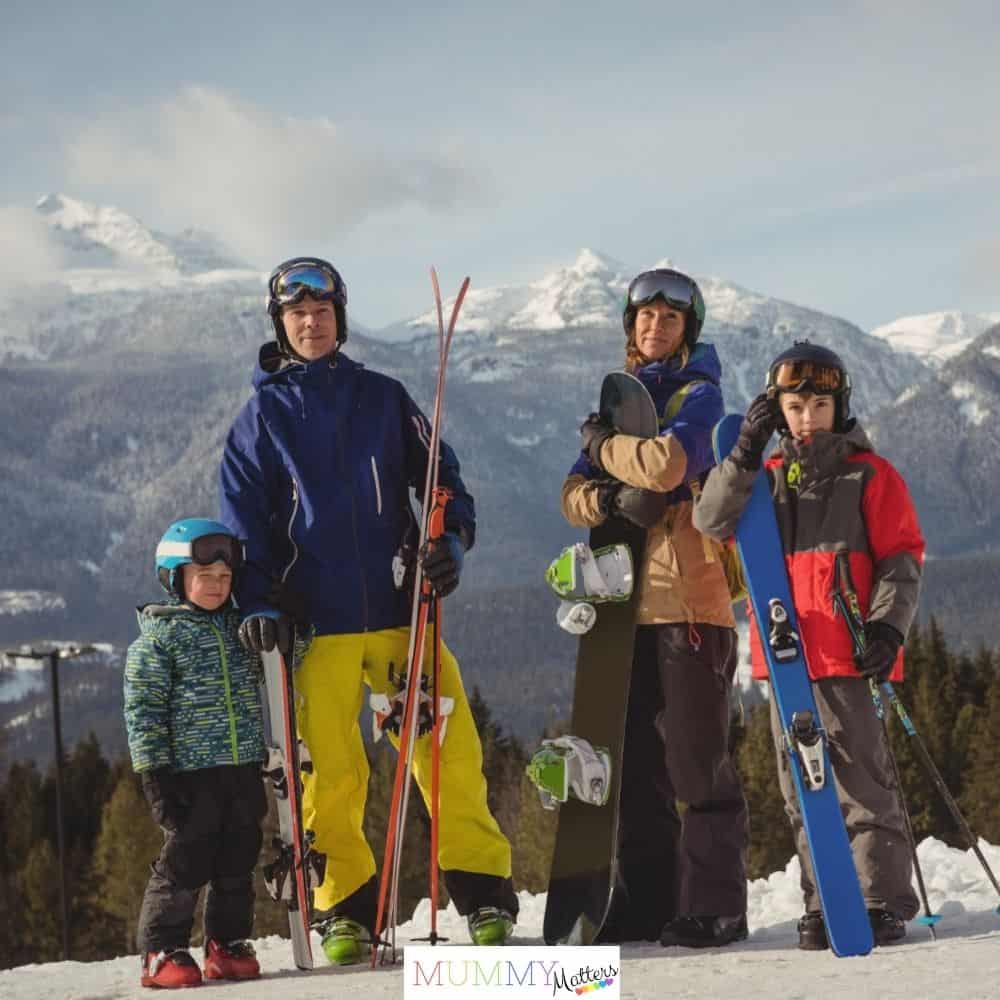
Planning a family ski holiday can feel quite different from organising a ski trip as a couple or with friends. When children are coming along, there is much more to consider, from choosing a family-friendly resort and booking ski lessons to managing costs, equipment, transfers and everyone’s energy levels.
The good news is that a little forward planning can make a family ski trip much easier. Choosing the right resort is particularly important, as beginner-friendly slopes, good ski schools, childcare, convenient accommodation and plenty to do away from the slopes can all make a big difference.
If you’re wondering how to plan a family ski holiday, this guide covers some of the most important things to consider before booking, including where to stay, how to make travelling with children easier and how to balance time on the slopes with rest and other winter activities.
Finding the Perfect Family-Friendly Ski Resort
Opt for Resorts with Excellent Family Facilities
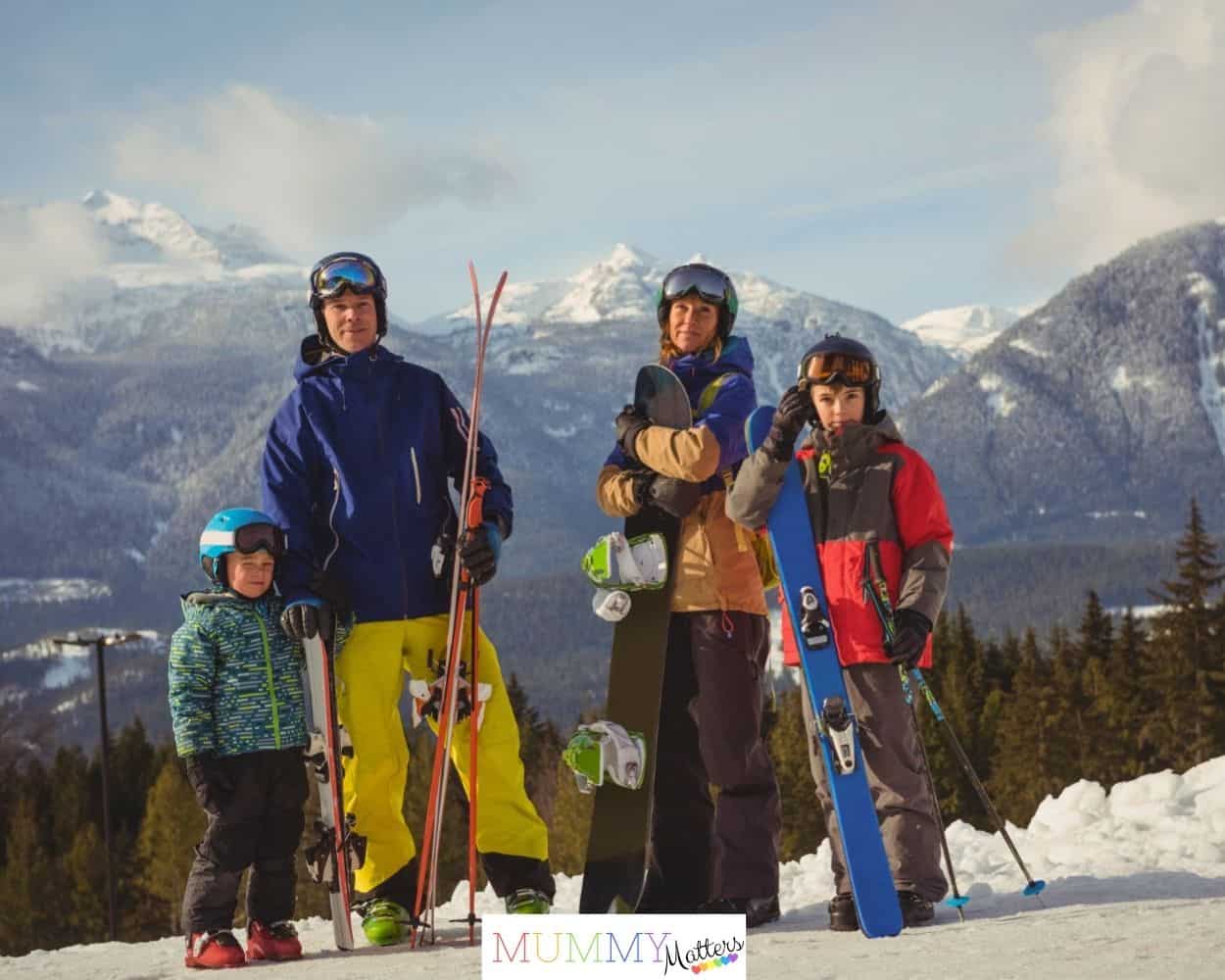
Choosing a resort that genuinely caters to families can make a huge difference to how smoothly your holiday runs. Look for practical features such as childcare, beginner-friendly ski areas, children’s ski schools, easy access to the slopes and plenty of activities for days when you don’t want to ski.
Flaine in France is a popular option for families thanks to its largely car-free centre and beginner-friendly ski areas. Sierra Nevada in Spain is another option, particularly for families attracted by its sunny climate and dedicated beginner areas. However, when travelling outside the coldest part of the winter, it is worth comparing altitude, typical snow conditions and snow-making facilities before deciding which resort to book.
It is also worth thinking beyond the slopes. A resort with swimming pools, play areas, sledging, family-friendly restaurants and other activities gives you much more flexibility if the children need a break from skiing.
Choose a Resort with Varied Terrain and Good Ski Schools
When skiing with children, it helps to choose a resort with slopes suitable for different abilities. Beginner areas and gentle nursery slopes give children somewhere comfortable to learn, while a wider range of runs means more confident skiers in the family can still enjoy themselves.
Before booking, take some time to research the ski schools available at the resort. Look at the minimum age for lessons, class sizes, lesson times, languages spoken and whether children’s lessons need to be booked well in advance. During busy periods such as February half-term, booking early can be particularly important.
Val d’Isère in France offers beginner areas alongside more challenging terrain and has several ski-school options, including ESF. La Plagne is another resort with a broad mix of slopes and ski lessons for children and families, making both worth considering when comparing French resorts for a family ski trip.
Consider Resorts with Alternative Winter Activities
Skiing all day can be tiring, especially for younger children, so it makes sense to consider resorts that offer plenty of other winter activities too. For example, Åre in Sweden offers activities beyond skiing, while Morzine in France has options such as ice skating and snowshoeing. Having alternatives available can make it easier to plan rest days or shorter days on the slopes without feeling as though you’re missing out on your holiday.
For younger children in particular, you may find that shorter ski sessions work better than expecting them to spend an entire day on the slopes. Building some downtime into your itinerary also gives everyone a chance to recover before the next day’s activities.
Getting to these resorts can sometimes be a bit of a trek, especially if you’re juggling gear and tired kids after a long flight. I’ve found that pre-booking a good transfer service takes a huge load off your mind, letting you relax the moment you land. This is particularly true when organizing a Geneva to Morzine transfer from the airport, since you want to get straight to the fun. They handle all the logistics, from flight delays to car seats, making the start of your holiday so much smoother.
Choose Family-Friendly Ski Accommodation
Where you stay can make a big difference to a family ski holiday. Look for accommodation that makes everyday life with children easier, such as family rooms, child-friendly dining, flexible meal times, equipment storage and easy access to the slopes.
Catered chalets and family-friendly ski hotels can be particularly convenient when travelling with younger children. Some offer earlier children’s meals or ‘high tea’, allowing children to eat before they become overtired and giving families the option of an earlier bedtime after a busy day on the slopes.
Location matters too. Ski-in/ski-out accommodation or a reliable resort shuttle can reduce the amount of walking required while carrying skis, boots and children’s equipment. Resorts such as Tignes offer a wide range of accommodation, including apartments, hotels and chalets with convenient access to the ski area.
Families aren’t limited to European ski resorts, of course. North American mountain towns can offer many of the same family-friendly conveniences, although UK families will need to factor longer flights and overall travel costs into their plans. Revelstoke in British Columbia, for example, combines access to the mountain with a town offering shops, restaurants and other useful amenities. Families considering self-catering accommodation can also explore options such as Revelstoke rentals, including properties within reach of the lifts and local facilities. Staying in a town-based property can be particularly useful on rest days when you want easy access to amenities away from the slopes.
Convenient Access to Amenities and Dining
When comparing ski resorts, don’t overlook the everyday practicalities. Having supermarkets, restaurants, pharmacies and other useful amenities close to your accommodation can make family travel considerably easier, particularly if you’re self-catering or have children with different tastes and routines.
A compact resort can also mean less time walking around in ski boots or trying to get tired children from one place to another. La Rosière in France, for example, combines access to the slopes with shops and restaurants in the resort, while Ruka in Finland has a relatively compact village layout with dining and other facilities close to the ski area.
Before booking accommodation, check how far you’ll actually be from the ski school meeting point, lifts, equipment hire and supermarket rather than simply relying on descriptions such as “central” or “close to the slopes”. A few extra minutes might not sound significant when booking, but it can feel very different when you’re carrying children’s ski equipment.
How to Plan a Family Ski Trip
Once you’ve narrowed down where you would like to ski, the next step is working through the practical details. A family ski holiday has more moving parts than many other trips, so booking the important elements early can help you manage the budget and avoid finding that ski lessons, childcare or suitable accommodation are already full.
Start With a Realistic Family Ski Holiday Budget
Ski holidays can quickly become expensive because the headline price of your accommodation is only part of the overall cost. When comparing holidays, make a list of everything you’re likely to pay for, including travel, airport transfers, accommodation, lift passes, ski or snowboard hire, lessons, childcare, travel insurance, food and spending money.
Don’t forget smaller costs such as helmets, gloves, goggles and suitable winter clothing, particularly if this is your family’s first ski holiday. Borrowing clothing from friends, buying pre-owned ski wear or hiring equipment at the resort can help reduce the initial expense.
Package holidays can make budgeting easier because some of these costs may be bundled together, but compare exactly what’s included before assuming a package offers better value.
Book the Most Important Parts Early
If you’re travelling during school holidays, it pays to organise the essentials as early as possible. Accommodation, ski-school places and childcare can be particularly sought after during February half-term and other peak periods.
Once your travel and accommodation are confirmed, check whether lessons, equipment hire and lift passes can be booked in advance. Doing this before you travel means fewer jobs to deal with when you arrive and gives you more time to settle everyone in.
Plan How You’ll Get From the Airport to the Resort
Flights are only one part of the journey when you’re heading to the mountains. Check the distance between your arrival airport and resort before booking, as transfer times can add considerably to the travel day.
Think about how much luggage you’ll have, whether you’ll be travelling with your own ski equipment and whether younger children need appropriate car seats. Pre-booking a private or shared transfer can be more straightforward than arranging onward transport after you land, particularly during busy ski weeks.
Arrange Ski Lessons Before You Travel
Even if the adults in your family can already ski, children and first-time skiers are likely to benefit from professional lessons. Check the age groups, lesson lengths and ability levels offered by your chosen ski school, as well as where and when everyone needs to meet each morning.
For younger children, also consider whether full-day lessons will be too much. Shorter sessions followed by time to play, rest or enjoy another activity may make their first experience of skiing more enjoyable.
Decide Whether to Hire or Take Ski Equipment
First-time family skiers don’t necessarily need to buy everything before their holiday. Skis, snowboards, boots and other equipment can usually be hired in the resort, which also saves you from transporting bulky equipment through the airport.
If you’re hiring, check whether children’s helmets are included and whether equipment can be collected the evening before your first day on the slopes. It is also worth checking how close the hire shop is to your accommodation and ski-school meeting point.
Final Tips for a Smooth Family Ski Holiday

A few simple preparations can make a big difference once you arrive, so keep these practical tips in mind:
- Build in downtime: Try not to fill every day from morning until evening. Younger children in particular may appreciate a shorter day on the slopes, time in the pool or simply an afternoon relaxing at your accommodation.
- Keep snacks and water handy: Skiing uses plenty of energy, and children don’t always realise they’re hungry or thirsty until they’re exhausted. Carry water and easy-to-eat snacks for breaks during the day.
- Check your travel insurance carefully: Standard family travel insurance may not automatically include skiing or other winter sports. Check what activities are covered, along with any exclusions and requirements relating to equipment, piste closures or medical treatment.
- Pack spare gloves and socks: Wet gloves can make a child miserable surprisingly quickly. Having spares available means they don’t necessarily have to call it a day because something has become cold or soggy.
- Don’t plan too much for your arrival day: Getting from home to a mountain resort can make for a long travel day. Give yourselves time to check in, collect equipment and get familiar with the resort rather than trying to squeeze in skiing immediately.
- Let children have some input: Allowing children to choose an off-slope activity, restaurant or something they’d like to do during the holiday can help make the trip feel like a family adventure rather than a week organised entirely around skiing.
Family-Friendly Resorts in France
France is one of the most popular destinations for family ski holidays from the UK, with a huge choice of resorts catering for beginners through to experienced skiers. When comparing French ski resorts for a family trip, look beyond the size of the ski area and consider ski schools, beginner slopes, accommodation, non-ski activities and how easy it will be to get around with children.
Les Deux Alpes – Families can find beginner-friendly ski areas alongside a much larger ski domain, making it an option for groups with different abilities. Away from skiing, look at what activities are available during your particular travel dates so you can plan alternatives for rest days.
La Plagne – With a large choice of accommodation and skiing across different levels, La Plagne is worth considering for families with mixed abilities. There are also ski schools and activities away from the main slopes, which can make it easier to vary your itinerary.
Méribel – Part of the extensive Three Valleys ski area, Méribel combines access to a huge amount of skiing with family facilities and beginner areas. This can make it particularly interesting for families where some members are learning while others want access to more challenging terrain.
Making Your First Family Ski Holiday Easier
Planning a family ski holiday involves a lot of decisions, but breaking the process down into manageable steps makes it much less daunting. Start by choosing a resort that suits your children’s ages and skiing abilities, then work through accommodation, travel, lessons, equipment and the overall budget.
Most importantly, don’t feel that every day has to revolve around spending as many hours as possible on the slopes. Building in rest time, trying other winter activities and allowing some flexibility in your plans can help make the holiday enjoyable for the whole family.
Whether you’re considering France or another family-friendly ski destination, doing your research before booking can help you choose a resort and itinerary that work for your family rather than simply choosing the biggest or best-known ski area.
Updated: September 2026