
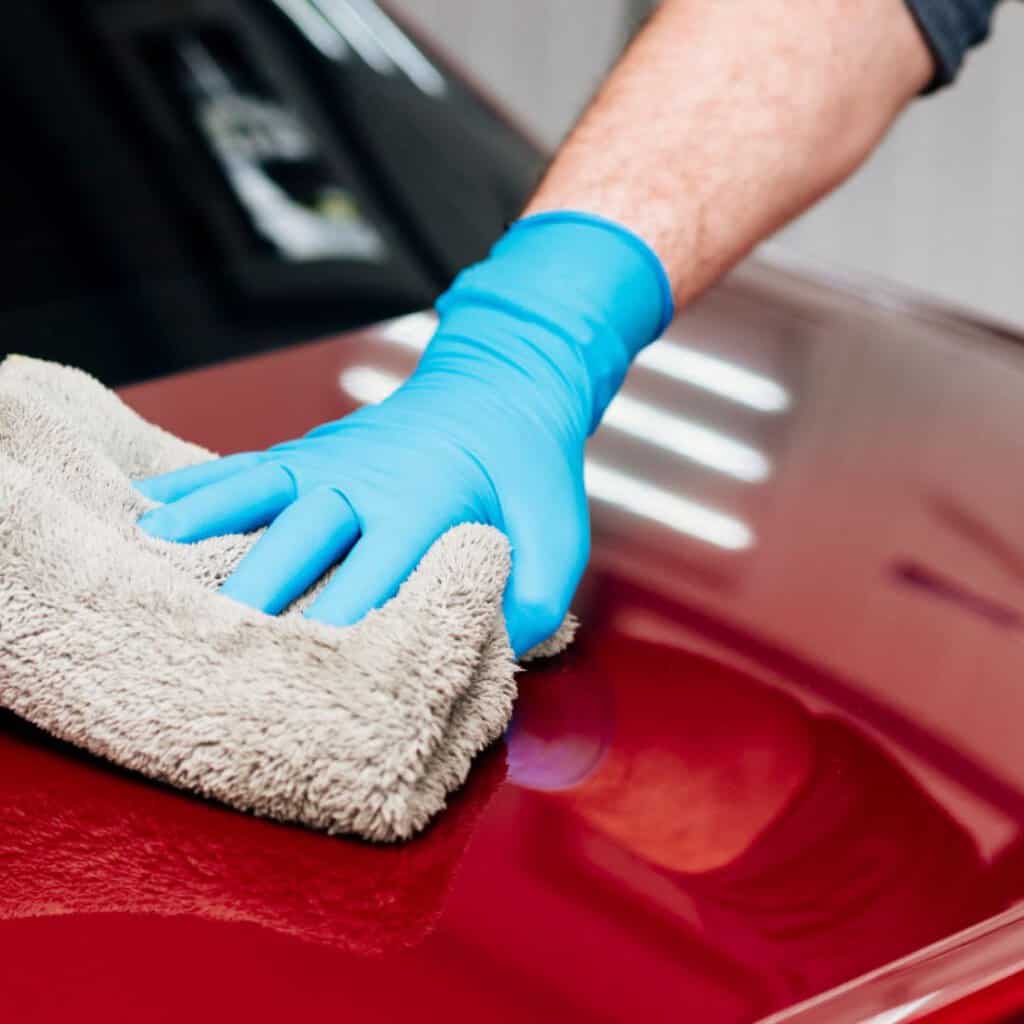
Keeping your car clean isn’t just about appearances. Regular washing helps remove the everyday dirt and contaminants that can gradually affect your car’s paintwork, including bird droppings, tree sap, insects, road grime and, during the winter months, salt from UK roads. Keeping on top of these can help protect the finish and make it much easier to keep your car looking good over the years.
Of course, finding the time to give the car a thorough clean isn’t always easy, particularly when you’re juggling work, family life and everything else that fills the week. While washing your car at home can be relatively straightforward with the right products and technique, mobile valeting is another option for those times when you’d rather leave the job to someone else. Services that come to your home or workplace can help you discover simpler ways to keep your car clean without having to set aside part of your day to do it yourself.
Whether you prefer to wash your car on the driveway or occasionally call in the professionals, using the right techniques matters. Washing incorrectly can introduce fine scratches and swirl marks, while regular cleaning and suitable paint protection can help maintain the finish. In this guide, we’ll look at how to wash your car properly, what products to use and how waxing and other forms of paint protection can help keep it looking its best.
Choosing the Right Car Wash Products

Using the right products can make a noticeable difference to both the finish of your car and how easy it is to clean. Avoid using washing-up liquid or other household cleaners, as these aren’t designed for automotive paintwork and can interfere with existing waxes or protective coatings. Instead, choose a dedicated pH-neutral car shampoo that is suitable for your car’s finish.
A soft microfibre wash mitt is also a better choice than an old sponge. Dirt can become trapped against the surface of a traditional sponge and potentially create fine scratches as you move it across the paintwork. A good wash mitt helps lift dirt away from the surface and can be rinsed regularly as you work around the car.
You’ll also need a couple of buckets, clean microfibre drying towels and, ideally, separate cleaning products and brushes for the wheels. Keeping wheel-cleaning equipment separate is worthwhile because wheels tend to collect brake dust and heavier road grime that you don’t want transferring onto the car’s paintwork.
If you live in a hard-water area, water spots can sometimes be more noticeable as the car dries. Rather than worrying about using distilled water, try to wash the car out of strong direct sunlight and dry it promptly with a clean microfibre towel.
Steps to Properly Wash Your Car
A good car wash is about removing dirt without dragging it across the paintwork and creating fine scratches. You don’t need an elaborate collection of detailing equipment, but taking a little more care with the order in which you clean the car can make a big difference.
- Start with the wheels: Wheels are often the dirtiest part of the car, collecting brake dust, mud and road grime. Clean these first using separate brushes, cloths and a suitable wheel cleaner so that you don’t transfer this dirt onto the bodywork later.
- Rinse the car thoroughly: Use a hose or pressure washer to loosen and remove as much surface dirt as possible before touching the paintwork. Pay particular attention to areas where mud and grime tend to collect, such as around the wheel arches and lower sections of the car.
- Use the two-bucket method: Fill one bucket with your car shampoo solution and another with clean water. After washing a section of the car, rinse your mitt in the clean-water bucket before putting it back into the shampoo. This helps prevent dirt you’ve already removed from being rubbed back across the paintwork.
- Work from the top down: Start with the roof and windows before moving down the doors and body panels, leaving the dirtiest lower sections until last. Work on one area at a time rather than trying to soap the entire car at once.
- Rinse thoroughly: Once you’ve finished washing, rinse away all traces of shampoo. Don’t allow the soap to dry on the paintwork, particularly on warm or sunny days, as this can leave marks behind.
- Dry with a clean microfibre towel: Leaving the car to air-dry can result in water spots, especially in hard-water areas. Gently dry the paintwork with a large, clean microfibre drying towel rather than rubbing vigorously across the surface.
Benefits of Waxing Your Car

Once your car is clean, adding a layer of paint protection can help maintain the finish and make future washes easier. Traditional car wax creates a protective layer over the paintwork, helping to repel water and reduce the amount of dirt and road grime that sticks to the surface. It can also enhance the shine, particularly on darker paint colours.
Wax isn’t the only option, though. Synthetic paint sealants and ceramic-based sprays have become increasingly popular and can offer longer-lasting protection with relatively straightforward application. The best choice will depend on how much time you want to spend maintaining your car, the finish you prefer and how often the vehicle is exposed to the elements.
Whichever type of protection you choose, it won’t prevent every scratch or mark, but it can provide an additional barrier against everyday contaminants such as bird droppings, tree sap, road grime and UV exposure. It also gives you an opportunity to look closely at the bodywork and spot small chips, scratches or other areas that may need attention before they become more noticeable.
When Should You Wax Your Car?
How often your car needs waxing depends on the product you use, where the car is kept and the conditions it regularly faces. Rather than automatically waxing every three months, check the manufacturer’s guidance for your chosen wax, sealant or ceramic-based product, as the expected lifespan can vary considerably.
You can also keep an eye on how water behaves on the paintwork. If rainwater no longer beads or runs away as readily as it did after applying the product, the protective layer may be starting to wear away.
Cars parked outside all year round may need more frequent attention than those kept in a garage, particularly after a winter of wet weather, mud and road salt. Likewise, cars regularly parked beneath trees can be exposed to sap, bird droppings and other contaminants that are best removed promptly rather than being left on the paintwork.
If you enjoy the deep, glossy finish of traditional carnauba wax, you may be happy to apply it more regularly. If convenience is more important, a longer-lasting synthetic sealant or ceramic-based product could be a better fit for your car-care routine.
Expert Tips for a Lasting Shine
Once you’ve got into a good washing routine, a few simple habits can help keep your car looking cleaner for longer and protect the paintwork between washes.
Consider professional detailing when needed: You don’t need to have your car professionally detailed regularly, but it can be worthwhile if the paintwork has developed noticeable swirl marks, light scratches or contamination that normal washing won’t remove.
Deal with bird droppings and tree sap quickly: Don’t wait until your next full car wash if you notice something potentially damaging on the paintwork. Removing it carefully as soon as possible reduces the chance of it marking the finish.
Don’t wash your car in strong sunshine: On a hot or sunny day, shampoo and water can dry on the bodywork before you’ve had time to rinse or dry them properly, leaving streaks and water spots. A shaded area or cooler part of the day is usually better.
Keep your cloths and mitts clean: Wash microfibre towels and wash mitts after use and replace them when they become worn. Avoid using anything on the paintwork that has been dropped onto the ground, where it could pick up grit.
Pay extra attention during winter: UK roads can leave cars covered in salt, mud and grime during the colder months. Regularly rinsing the lower bodywork, wheel arches and wheels can help prevent this build-up from sitting on the car for long periods.
Keep Your Car Looking Its Best
Keeping your car looking good doesn’t require hours of detailing every weekend. A regular wash using the right products and techniques, followed by suitable paint protection when needed, can go a long way towards maintaining the finish.
The key is consistency. Just like the other car maintenance tasks busy parents need to keep on top of, regular cleaning is much easier than dealing with problems after they’ve been neglected. Removing dirt and contaminants before they have a chance to build up, being gentle with the paintwork and paying a little extra attention during the winter months can make routine car care much easier.
Frequently Asked Questions About Washing and Waxing Your Car
How often should you wash your car?
For most cars, washing every two to four weeks is a reasonable starting point, although it depends on how much you drive, where you park and the weather. During winter, or if your car becomes particularly dirty, you may want to wash it more frequently.
Should you wax your car every time you wash it?
No. How frequently you need to apply wax or another paint-protection product depends on what you’re using. Some traditional waxes require more frequent application, while synthetic sealants and ceramic-based products can last considerably longer. Follow the instructions provided with your chosen product.
Can you use washing-up liquid to wash a car?
It’s better to use a dedicated car shampoo. Washing-up liquid is formulated for cleaning dishes rather than automotive paintwork and may interfere with waxes and other protective products already on your car.
Is it better to wash your car by hand or use a car wash?
Both can be convenient, but a careful hand wash gives you greater control over the products and equipment touching the paintwork. If you use an automatic car wash, be aware that some types of brushes can contribute to fine scratches and swirl marks over time. Professional hand washing or mobile valeting can be another option if you don’t have the time or space to wash the car yourself.
Should you wash your car before waxing it?
Yes. Wax and other paint-protection products should be applied to clean paintwork. Applying them over dirt or contamination can affect the finish and may result in particles being rubbed across the paint as you apply the product.