
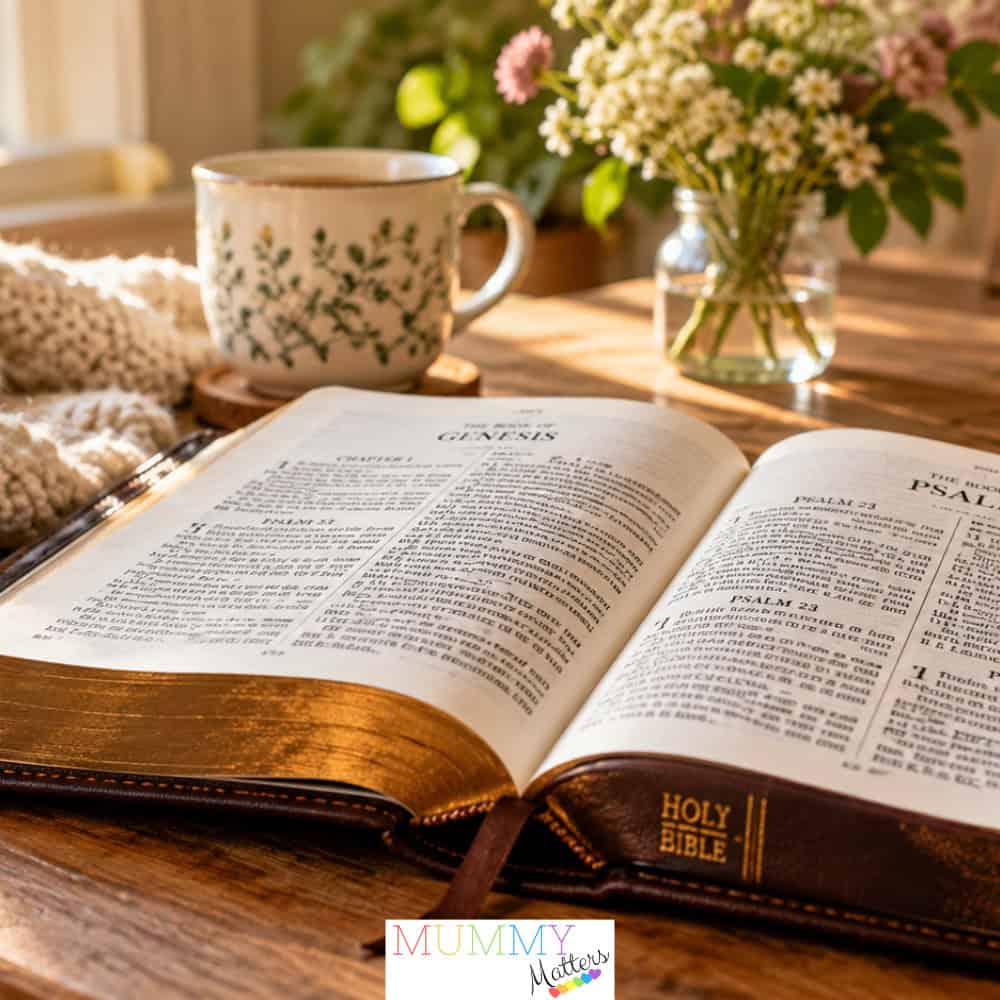
Some of the most treasured possessions in a family home aren’t necessarily the most expensive. They might be a collection of handwritten recipes, an old photograph album or a book that has been passed down through several generations. For many Christian families, that treasured book is a King James Bible.
First published more than 400 years ago, the King James Version (KJV) remains one of the most recognisable English translations of the Bible. Its distinctive language has influenced literature, music and everyday expressions, while its words continue to hold personal significance for believers around the world.
But what makes this particular translation so special? Beyond its religious importance, the King James Bible has become part of many families’ histories, connecting generations through shared beliefs, memories and traditions.
The History Behind the King James Bible

The King James Bible was first published in 1611, following a commission from King James I of England in 1604. A group of scholars worked together to produce an English translation intended for use in churches across England.
Although English translations of the Bible already existed, the new version would eventually become the most influential. Over the following centuries, it shaped religious worship, English literature and the way people spoke and wrote.
Many familiar expressions have been popularised through the King James Bible, including “the powers that be”, “the salt of the earth” and “a house divided against itself”.
Its influence extends far beyond church walls. Even people who have never read the Bible may recognise phrases that originated in, or became widely known through, its pages.
For families interested in history, the King James Bible offers an opportunity to explore how language, religion and British culture have developed over the centuries.
Why the King James Bible Holds Such Sentimental Value
Family traditions have a wonderful way of connecting us to people and experiences from the past. Whether it’s preparing a particular meal at Christmas, displaying inherited decorations or reading a favourite childhood story, these small rituals can help preserve family memories.
For some Christian families, reading from the King James Bible is one of those traditions.
A Bible that once belonged to a grandparent may contain handwritten notes, carefully underlined passages or family records tucked between its pages. These personal details can transform an ordinary book into something much more meaningful.
Older family Bibles sometimes include dedicated pages for recording births, marriages and deaths, making them valuable sources of family history.
There is also something comforting about hearing familiar words repeated through the generations. A passage that was read at a grandparent’s wedding or during a family celebration can carry an emotional significance that goes beyond the words themselves.
Of course, not every family has a religious tradition, and meaningful family connections can be created in countless different ways. However, for those who practise Christianity, a family Bible can represent a shared history of faith, love and belonging.
Choosing a King James Bible for Your Family
If you are thinking about buying a King James Bible, it is worth considering how it will be used.
Some people prefer a compact edition that can be carried to church or taken on holiday, while others appreciate a larger Bible designed for reading at home.
For families hoping to establish a tradition of passing down a Bible, a well-made hardback or leather-bound edition may be particularly appealing.
There are several different types to consider.
Standard King James Bibles contain the traditional translation without extensive additional commentary. They are suitable for readers who prefer a straightforward presentation of the text.
Study Bibles include explanatory notes, historical background and references that can help readers explore particular passages in more detail.
Large-print editions are useful for anyone who finds smaller text difficult to read, including older relatives.
Family and keepsake Bibles may include decorative covers, presentation pages or spaces to record important family events.
Children’s editions and illustrated Bible storybooks can introduce younger readers to biblical stories, although parents should check whether a particular book contains the full KJV text, selected passages or simplified retellings.
Christian bookshops and specialist religious retailers offer a range of options. You can also browse KJV Bibles here if you would like to explore different editions and formats.
For UK readers, it is worth checking delivery costs and any applicable import charges when ordering from overseas retailers.
Alternatively, the King James Version is available to read online for free, making it easy to explore the translation before deciding whether to purchase a physical copy.
The Beauty of Traditional Biblical Language
One of the most distinctive features of the King James Version is its language.
Words such as “thee”, “thou” and “verily” may sound unfamiliar to modern readers, particularly children who are encountering the Bible for the first time. However, this traditional style is also one of the reasons many people continue to appreciate the translation.
The language has a poetic rhythm that lends itself particularly well to reading aloud. Familiar passages from the Psalms, for example, have been recited during religious services and family occasions for generations.
For some readers, the traditional wording creates a sense of reverence and connection to the past. Others simply enjoy the beauty of the language and the way familiar passages sound when spoken aloud.
It is worth remembering, however, that the King James Version was written in the English of the early seventeenth century. Some words have changed meaning over time, while others are rarely used today.
Modern translations can therefore be helpful when readers want to understand a particular passage more clearly. Many Christian families choose to use different Bible translations alongside one another, appreciating the historical language of the KJV while benefiting from the accessibility of contemporary versions.
Introducing Children to the King James Bible
Sharing books and stories with children can encourage curiosity, develop language skills and create opportunities for meaningful conversations.
For Christian parents, Bible stories may also form part of their children’s religious education, helping them explore beliefs, values and traditions that are important to their family.
However, the traditional language of the King James Bible can be challenging for younger readers. Rather than expecting children to understand every passage immediately, parents can introduce its stories gradually and in age-appropriate ways.
Start With Familiar Stories
Well-known stories such as Noah’s Ark, David and Goliath or the Good Samaritan can provide an accessible starting point.
Parents might begin with an illustrated children’s Bible before introducing selected passages from the King James Version. This allows children to become familiar with the stories before exploring the older language.
Read Together and Encourage Questions
Reading aloud gives children an opportunity to hear the rhythm of the text while asking questions about unfamiliar words or ideas.
Rather than focusing on memorising passages, conversations can explore what a story means, why people value it and how its themes relate to everyday life.
Depending on a family’s beliefs and the child’s age, these discussions might include kindness, forgiveness, honesty and helping others.
Explore the Historical Language
The King James Bible can also provide an interesting introduction to the history of the English language.
Older children may enjoy comparing a short passage with a modern translation, identifying words that have changed or discovering expressions that remain familiar today.
This approach can make the Bible relevant to broader learning about literature, history and language, regardless of whether children are studying it as part of their religious education.
Make Learning Interactive
Children often respond well to activities that bring stories to life.
Drawing pictures, creating simple crafts or acting out familiar scenes can help younger children engage with what they have heard.
For families involved in church activities, holiday programmes can also provide opportunities to explore Bible stories through games, music and creative projects. Our article on how to engage children in learning during Vacation Bible School offers further ideas for making these experiences enjoyable.
The most important consideration is to keep activities appropriate for each child’s age, interests and understanding.
The King James Bible as a Family Keepsake
There is something special about passing an object from one generation to another, particularly when it carries personal memories.
A family Bible can become part of that tradition, especially when relatives take the time to preserve its history.
Some families write a short dedication inside the front cover when giving a Bible as a gift. Others record important family dates or include a note explaining who originally owned it.
These small additions can make the book more meaningful to future generations.
A Bible given to celebrate a christening, confirmation, wedding or another significant occasion may eventually become a treasured reminder of the person who gave it.
For families who want to preserve an older Bible, careful storage is important. Keeping it away from direct sunlight, damp conditions and excessive handling can help protect fragile pages and bindings.
It is also worth remembering that the sentimental value of a family Bible doesn’t depend on its age or monetary worth. A relatively new copy, filled with thoughtful notes and memories, may become just as precious over time.
Why the King James Version Remains Popular Today
With so many modern Bible translations available, it might seem surprising that a version first published in 1611 continues to attract readers.
Part of its appeal undoubtedly comes from familiarity. People who grew up hearing the King James Version in church may feel a strong connection to its wording.
Others appreciate its literary qualities or its importance in the history of Christianity and the English language.
Some Christian communities also favour the KJV because of their beliefs about the manuscript traditions and translation methods used to produce it.
The translators worked primarily from the Hebrew Masoretic Text for the Old Testament and Greek texts associated with the Textus Receptus for the New Testament. Modern Bible translations may draw on a wider range of manuscripts, including discoveries and textual evidence that were not available to the scholars working in the early seventeenth century.
Different Christian traditions have different views about which translations they prefer, and there is no single version used by every denomination.
Nevertheless, the King James Bible’s cultural and religious influence is undeniable. Its language continues to appear in literature, music and public life, while many believers value it as part of their personal and family worship.
Final Thoughts: A Tradition That Connects Generations
The King James Bible is much more than a historical publication. For many Christian families, it represents a connection to their faith, their heritage and the generations who came before them.
Its beautiful language, rich history and enduring influence have helped it remain relevant for more than four centuries, even as newer and more accessible translations have become available.
Whether it is read regularly, given as a meaningful gift or carefully preserved as a family keepsake, the King James Bible can hold a special place in a home.
Ultimately, the traditions we pass down to our children are not always about the objects themselves. They are about the stories, memories and values attached to them, and the connections they help us maintain across generations.