
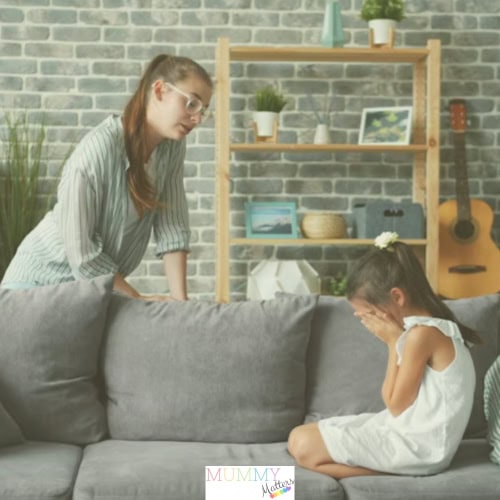
You love your kids. You want stability. Many parents stay together because it feels like the safest option—one house, one dinner table, fewer logistics. But stability isn’t just a shared roof. It’s the emotional climate under that roof. Children don’t just hear arguments; they absorb them. Their nervous systems keep score. Calm, predictable warmth beats constant low-grade conflict every time.
Measure the Home’s “Microclimate”

Think of your home like a microclimate. Is it mostly sunny—respectful tones, playful moments, repair after rupture? Or does it drift into drizzle—eye-rolls, sarcasm, silence that hums with tension? Kids can thrive in two small apartments with two emotionally safe parents. They struggle in one big house that feels like walking on eggshells. The daily weather matters more than the mailing address.
Money, Housing, and the Two-Home Reality
Finances drive decisions, and that’s fair. Two households cost more than one. Yet there’s a hidden ledger: the price of chronic conflict. Frequent stress can ripple into school performance, sleep, and health. Do a sober budget: housing, transport, childcare, holidays, insurance, and time costs. Then sketch the “soft” costs: missed activities because weekends are tense, therapy later to untangle early patterns, and lost work focus. Sometimes the math favors staying. Sometimes it doesn’t. The calculation must include both columns.
When Staying Helps—and When It Hurts
Staying together can help when conflict is low, repair is genuine, and both partners commit to new habits: weekly check-ins, fewer blame scripts, more shared fun. It hurts when contempt sets in, when coldness replaces curiosity, or when anyone feels unsafe. Children watch how love behaves under pressure. If what they see is mutual effort and kindness, staying models resilience. If what they see is score-keeping, they learn that love is a ledger.
Signs Kids Are Thriving vs. Just Coping
Thriving looks like spontaneous laughter, steady sleep, curiosity at school, and friendships that stick. Coping looks different: stomachaches, irritability, perfectionism, or “parentified” behavior, where a child becomes a mediator. Track patterns for a month. Journal. Ask teachers what they notice. Small signals whisper before big problems shout.
Support You Can Actually Use
Before you decide, build a circle. A therapist to map the emotional terrain. A mediator to draft practical rhythms if separation is likely. And yes, a family lawyer to translate legal options into plain language so your plan is realistic, not wishful. Information lowers fear. Fear lowers conflict. Everyone wins when the adults are regulated.
Try a 30-Day Experiment.
Pick one month. Reduce conflict on purpose. Set two non-negotiables: no contempt (eye-rolls, name-calling) and quick repair after disagreements. Add two rituals: a 10-minute evening check-in and a weekly family “micro-adventure”—a walk, board game, picnic on the lounge floor. Watch the home climate. If things brighten, you have data that change is possible. If they don’t, you still have data—and momentum to design a gentler two-home plan.
The Honest Bottom Line
“Best for the kids” isn’t a slogan. It’s a living experiment you run with care, numbers, and nerves. Choose the path that delivers the most consistent safety, warmth, and respect—under one roof or two. That’s the version of stability children remember. And build on.