
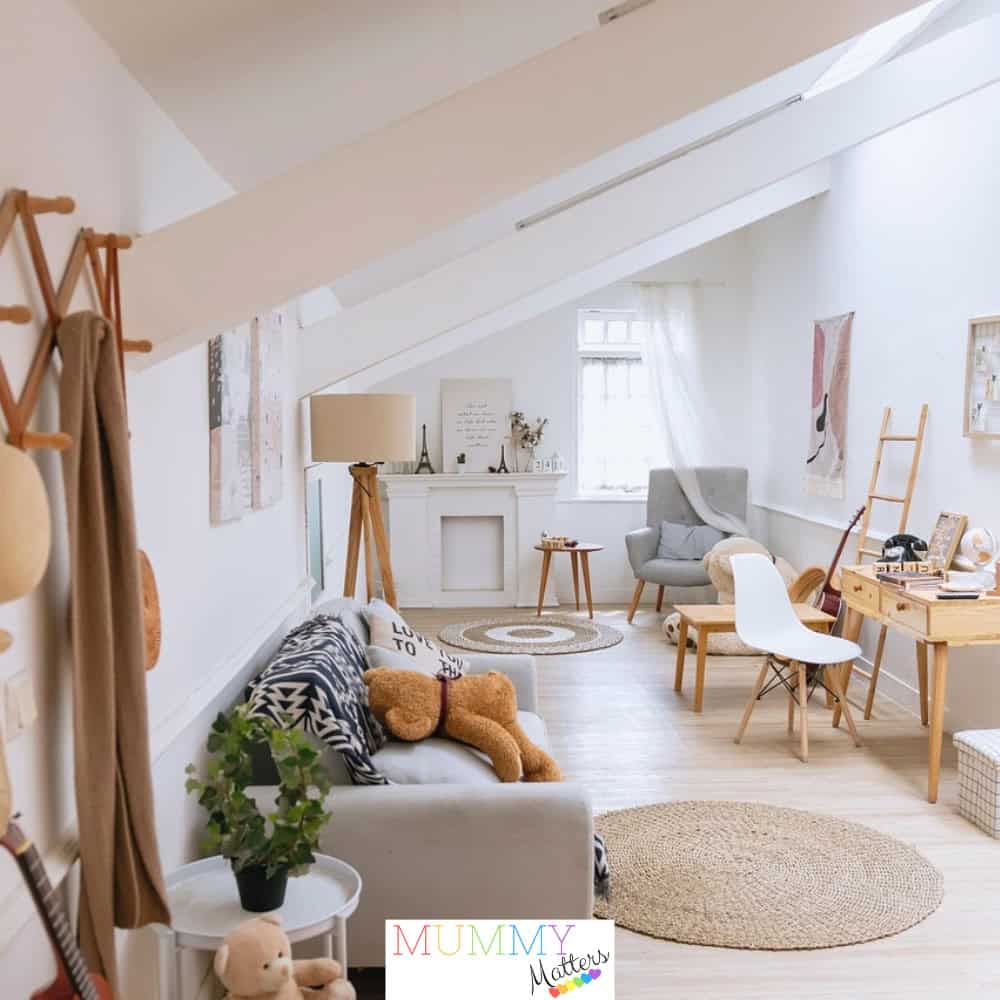
A beautiful home is lovely to look at, but if it doesn’t feel comfortable, it’s difficult to truly relax and enjoy spending time there. Whether you’re curling up on the sofa after a busy day, enjoying a family film night or simply looking for somewhere peaceful to unwind, your surroundings can make a real difference.
The good news is that creating a comfortable home doesn’t necessarily mean spending thousands of pounds on renovations or replacing all your furniture. Sometimes, it’s the smaller changes that have the biggest impact.
From choosing flooring that feels warm underfoot to getting your lighting just right, thoughtful interior design can help make your home feel more welcoming, practical and relaxing.
Here are some simple ways to make your home more comfortable without compromising on style.
Choose the Right Type of Flooring

Flooring has a surprisingly big impact on how comfortable a room feels. It’s not just about appearance; the material you choose can affect warmth, noise levels and how pleasant a space is to spend time in.
Carpets are a popular choice for bedrooms and living rooms because they feel soft underfoot and help absorb sound. However, if you have children or pets, you might prefer something easier to clean, such as luxury vinyl tiles (LVT), laminate or engineered wood flooring.
Each option has its advantages. LVT is generally water-resistant and easy to maintain, while engineered wood can bring natural warmth and character to a room. Laminate is often a more budget-friendly alternative, although the quality and durability can vary considerably.
You don’t necessarily need to replace your existing flooring to make a room feel more comfortable, either. Adding a large rug can instantly soften a hard floor, create a cosy seating area and help reduce noise.
When choosing new flooring, think about how the room is used, how much foot traffic it receives and how much maintenance you’re prepared to do. It’s also worth considering suitable underlay, slip resistance and the finishing touches, such as skirting boards, to create a practical and welcoming space.
Choose the Right Colour Scheme
The colours you surround yourself with can make a real difference to how a room looks and feels. While some people love soft, neutral shades that create a peaceful atmosphere, others feel happiest in rooms filled with rich colours and personality.
If you’re hoping to create a calm, relaxing space, consider warm neutrals, muted greens, soft blues or earthy tones. These colours work particularly well in bedrooms and living rooms, where comfort and relaxation are often priorities.
However, a comfortable home doesn’t have to be decorated entirely in beige or cream. Deeper shades such as forest green, terracotta and navy can create a wonderfully cosy atmosphere, particularly when paired with warm lighting and natural textures.
Before committing to a new colour, think about how much natural light the room receives. A shade that looks beautiful in a bright, south-facing room might appear quite different in a darker space. It’s worth testing paint samples on several walls and checking how they look throughout the day.
If you’re not ready to redecorate, introducing colour through cushions, throws, curtains or artwork is an inexpensive way to refresh a room.
Ultimately, the best colour scheme is one that reflects your personality and makes you feel happy to be at home.
Use Lighting to Set the Mood
Lighting can completely change the atmosphere of a room. A space that feels bright and practical during the day can become warm and inviting in the evening simply by changing how it’s lit.
One of the easiest ways to make your home feel more comfortable is to use several light sources rather than relying on a single overhead light. This is often called layered lighting, and it allows you to adjust the brightness depending on what you’re doing.
For example, a living room might benefit from a combination of table lamps, a floor lamp beside your favourite reading chair and softer accent lighting around shelves or furniture. This creates a much cosier atmosphere for relaxing in the evening while still providing enough light for everyday activities.
The colour temperature of your light bulbs also makes a difference. Warm white bulbs, typically around 2700K, create a softer, more welcoming glow, whereas cooler white lighting can be useful in areas where you need to concentrate or see clearly.
In bedrooms, bedside lamps and dimmable lighting can help create a relaxing environment before sleep. Just make sure there’s still adequate lighting for reading, getting dressed and moving around safely.
You don’t need to replace your existing light fittings to make an improvement. Something as simple as changing your bulbs, adding a table lamp or positioning a light near a dark corner can make a noticeable difference to how comfortable your home feels.
Choose the Right Furniture
Choosing the right furniture is about much more than finding pieces that look beautiful. Your furniture needs to be comfortable, practical and suited to the way you use your home.
Before buying anything new, think about how your family spends time in each room. A large, comfortable sofa might be perfect for family film nights, but in a smaller living room, a compact sofa with an armchair could provide a more practical seating arrangement.
It’s also worth considering the layout of your furniture. Leaving enough space to move around comfortably can make a room feel more welcoming, while positioning seating to encourage conversation helps create a sociable atmosphere.
Look for furniture that combines comfort with functionality. Sofas with supportive cushions, armchairs you can genuinely relax in and footstools that double as storage are all useful additions to a busy family home.
Finding these pieces does not have to be difficult or expensive. Many homeowners now look for pre-owned items that have excellent build quality and classic designs. Buying used items is also a great way to find unique pieces that are no longer in production. You can browse a wide selection of these items online at https://www.highendusedfurniture.com/shop to find the right fit for your living room. This approach helps you get durable items and keeps your budget on track.
Remember that creating a comfortable home doesn’t mean filling every available space. Sometimes, choosing fewer pieces of furniture and giving them room to breathe can make a living room feel more relaxing and enjoyable.
Updated: October 2026