
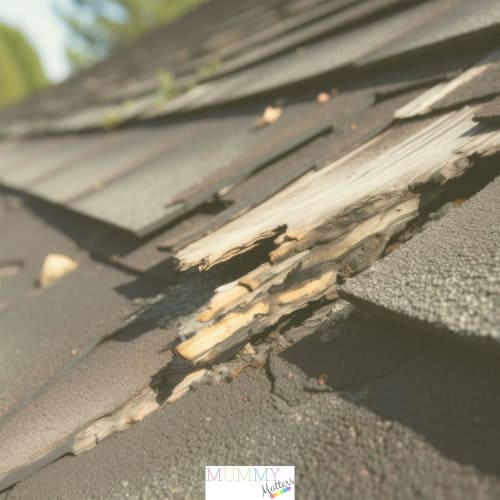
Most serious roof damage does not arrive without warning. It builds slowly, starting as something small and easy to overlook, until one season you are facing a repair bill that takes your breath away. The good news is that roofs give you clues long before a problem becomes critical. You just need to know what you are looking for.
Here are the five most common roofing issues homeowners miss, along with exactly how to spot each one while it is still manageable.
Curling, Cracking, or Missing Shingles
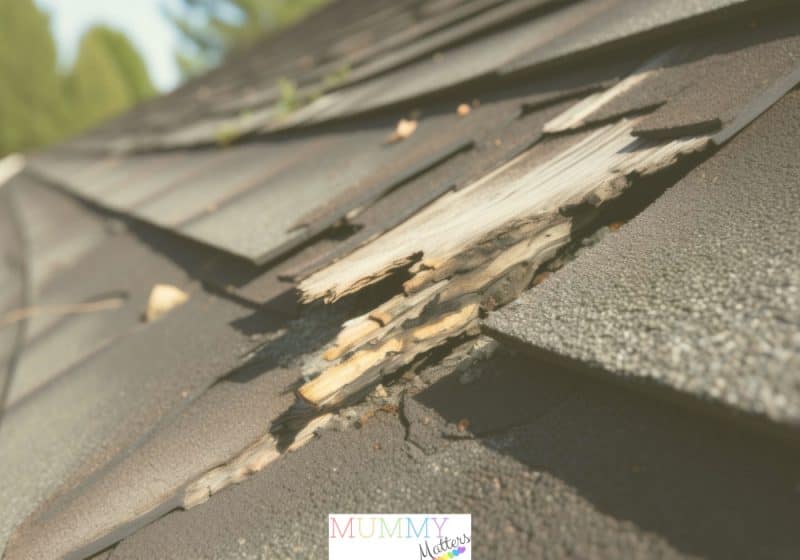
Shingles protect every layer of your roof beneath them. When you step outside and look up, healthy shingles should lie flat and consistent across the whole surface. Warning signs to look for:
- Curling edges: Shingles curling upward or buckling in the middle have dried out from years of heat and UV exposure.
- Surface cracking: Fine cracks across shingle faces mean the material is brittle and can no longer form a watertight seal.
- Missing shingles: Even one missing shingle leaves a gap where water can push in under the surrounding area during rain.
- Granule loss: Gritty buildup in your gutters or dark patchy areas on shingles means the protective coating is wearing off.
Sagging or Clogged Gutters Overflowing Back Onto the Roof
Gutters that cannot properly direct water away from the home can create roofing problems that often go unnoticed at first. When gutters become clogged or start to sag, water may overflow and collect along the roof’s edge, eventually seeping beneath roofing materials. Many roofing companies in Chicago IL identify overflowing gutters as an early warning sign of hidden moisture issues that can damage the roof deck over time.
Professionals such as Lakeland Exteriors & Roofing recommend inspecting gutters regularly, as early maintenance can help prevent water intrusion and reduce the risk of costly roof repairs.
Signs to watch for:
- Visible sagging: Gutters that dip or pull away from the fascia are often weighed down by debris or standing water.
- Overflow during rain: Water spilling over the sides instead of flowing through the downspouts usually indicates a blockage.
- Staining on exterior walls: Dark streaks below the gutter line may suggest repeated overflow and poor drainage.
Damaged or Lifting Flashing Around Chimneys and Vents
Flashing is the thin metal strip installed wherever the roof meets a vertical surface like a chimney or vent pipe. It seals those transition points against water entry and is one of the most frequently overlooked problem areas. Look for:
- Lifting or separated edges: Flashing that has pulled away from the surface it seals leaves a direct channel for rainwater.
- Rust or corrosion: Older metal flashing can rust through, particularly in climates with wide temperature swings.
- Cracked sealant: The caulk around flashing joints dries and cracks with age, breaking the seal it was installed to maintain.
Flashing issues are not always visible from ground level. If you suspect a problem but cannot get a clear view, a professional inspection is the right next step.
Water Stains, Mold, or Dampness in the roof space
Your roof space often reveals a roof leak before anything visible appears outside. According to the Insurance Information Institute, about one in 67 insured homes has a property damage claim from water damage or freezing each year, and many of those claims trace back to a roof issue that went undetected. Twice-yearly roof space checks help you catch problems early. Look for:
- Brown or yellow staining on rafters: Discoloured wood means moisture has been present long enough to leave a mark.
- Visible mold or mildew: Mold in the roof space almost always points to either an active leak or insufficient roof ventilation.
- Pinpoints of daylight through the boards: If light can get through from outside, so can water.
A Roofline That Has Started to Sag or Dip
A healthy roof keeps a clean, even line from end to end. Any visible sagging, dipping, or uneven sections are a serious sign that something structural is failing beneath the surface. Sagging is not a cosmetic issue and it does not improve on its own. Possible causes include:
- Rotted decking: The wooden boards beneath the shingles may have deteriorated from prolonged moisture exposure.
- Compromised rafters or trusses: In more serious cases the structural framework underneath has been weakened.
- Accumulated snow weight: Repeated heavy snow loads without proper drainage can stress and warp the roof structure over time.
If you notice even a modest sag that was not there before, treat it as urgent and arrange a professional inspection promptly.
Conclusion
Your roof does not need constant monitoring, but it does benefit from two focused check-ins per year plus a closer look after any significant storm. Walk the perimeter of your home, look up from each angle, and note anything that seems different from last time.
Shingles curl before they fail. Flashing lifts before it leaks. Gutters clog before they cause damage. Catching each of these while it is still a minor issue is the most effective and cost-efficient way to keep your home protected year after year.