
In a world that values individual achievement, it’s easy to forget the importance of teamwork. Yet being a team player is a vital life skill – one that sets children up for success both in and out of the classroom. Whether it’s on the sports field, in group projects, or later in the workplace, the ability to collaborate, listen, support others, and work towards a shared goal is incredibly valuable. So, how can parents and educators help raise a team player?
Start with Empathy

Teamwork begins with empathy – the ability to understand and share the feelings of others. Like this prep school in Essex, encourage your child to consider how their actions affect those around them. Simple questions like “How do you think that made your friend feel?” or “What could you do to help your classmate?” go a long way in helping children see situations from different perspectives. Empathy lays the foundation for kindness, cooperation, and compromise.
Teach the Power of Communication
Team players know how to communicate clearly and respectfully. This includes speaking up when they have an idea, actively listening when others are talking, and knowing when to step back and let others lead. At home, practise good communication by having regular family discussions, encouraging open dialogue, and modelling respectful disagreement.
Embrace Group Activities
Children learn teamwork best through experience. Sign them up for activities that involve collaboration – team sports, drama groups, scouts, or school clubs. These environments naturally encourage cooperation and problem-solving. Even group chores at home, like setting the table together or working on a DIY project, offer opportunities to develop teamwork skills.
Encourage Responsibility
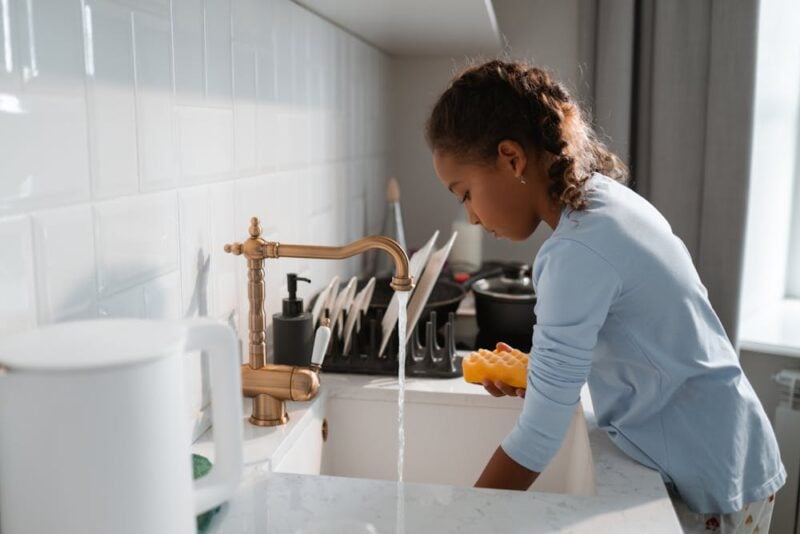
In any team, each member must take responsibility for their role. Giving your child age-appropriate responsibilities helps them understand the value of contributing. Whether it’s completing homework on time or helping with household tasks, being dependable builds trust – a key element of teamwork.
Praise the Process, Not Just the Outcome
When children work as part of a team, focus your praise on how they participated rather than whether the team won or lost. Celebrate effort, communication, and supportiveness. For example, “I saw how you encouraged your teammates today – that was really thoughtful,” reinforces positive team behaviour more effectively than a focus on results.
Model Teamwork at Home
Children learn by watching. Show them what healthy collaboration looks like in your own relationships. This might mean sharing decision-making with a partner, helping a neighbour, or involving your child in planning a family day out. When they see adults working together respectfully and effectively, they’re more likely to adopt those behaviours themselves.
Help Them Handle Setbacks
Sometimes, team experiences don’t go as planned – conflicts arise, efforts aren’t equally shared, or the team falls short. Use these moments to teach resilience. Talk through what went wrong, what could be done differently next time, and how to manage disappointment constructively.
Raising a team player takes time, patience, and a focus on long-term character development. By nurturing empathy, responsibility, and communication, and giving your child plenty of opportunities to practise, you’re helping them develop a crucial life skill – one that will serve them well for years to come.