

Few emails cause as much stress as one inviting you to attend a spouse visa interview. Many couples submit a strong application, then panic at the thought of being questioned. People often worry they will forget dates, mix up details, or say something that harms their case. That fear leads to overthinking, which creates more anxiety than the interview itself.
In reality, the interview is usually about clarity and consistency. The caseworker wants to understand your relationship and confirm that the information in your application makes sense. You do not need rehearsed speeches or a perfect memory. You need calm, honest answers that match your documents. This guide explains how to prepare properly without turning the process into a source of unnecessary stress.
Why some applicants are invited for interviews
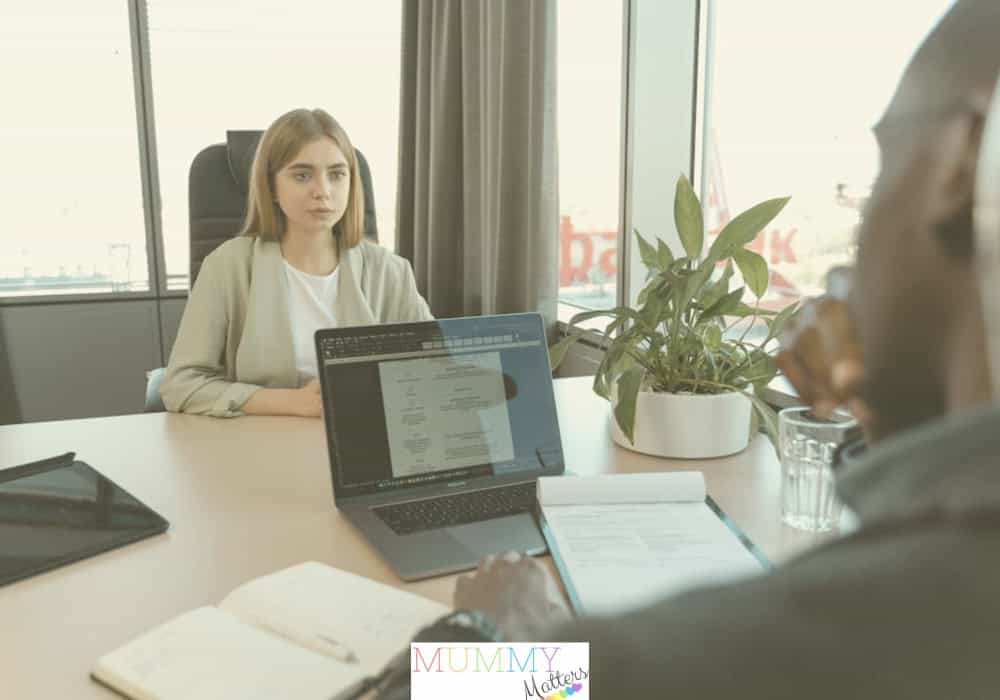
Not every applicant attends an interview. When one is requested, it often means the caseworker needs clarity. This can happen if documents are missing, if there are gaps in your timeline, or if parts of the application raise questions. For example, long periods of living apart or a short courtship before marriage may lead to extra checks.
An interview does not mean refusal is likely. It means the Home Office wants to hear directly from you. If you understand this, you can approach preparation in a calm and focused way. Review your application and look at it from an outsider’s view. Ask yourself what might seem unclear. Then prepare simple explanations supported by your documents. If you feel unsure about any weak areas, a UK spouse visa lawyer can help you identify and address them before the interview. This approach removes guesswork and reduces stress.
Creating a clear relationship timeline
One of the best ways to avoid overthinking is to build a short and clear timeline of your relationship. Keep it to one page. Start with when and how you met. Add key events such as visits, engagement, marriage, and any time you began living together. Include work moves or study periods if you spent time apart.
Do not try to remember every minor detail. Focus on the main milestones that shaped your relationship. Make sure the timeline matches what you wrote in your application form and supporting statement. If you cannot recall an exact date, note the month and year. Accuracy matters more than precision. A simple timeline helps you answer questions with confidence because you already see the bigger picture clearly.
Organising your documents for quick access
Even if you have already uploaded your evidence, you should organise your documents again before the interview. Keep a tidy folder, either printed or digital, with clear sections such as identity, relationship evidence, finances, and accommodation. Make sure you can quickly find key documents like your marriage certificate, tenancy agreement, bank statements, and proof of contact.
During the interview, a caseworker may refer to specific documents. If you can locate them without delay, you show that you understand your own application. Do not bring excessive paperwork that you never submitted. Focus on what supports the points in your form. Knowing where everything sits helps you stay calm and prevents you from giving uncertain answers simply because you feel rushed.
Handling sensitive or complex aspects of your case
Some applications involve factors that may attract closer attention. This could include a large age difference, a short period between meeting and marriage, or long stretches of living in different countries. These situations do not lead to automatic refusal, but they may prompt more detailed questions.
Prepare straightforward explanations based on facts. For example, if you married soon after meeting, explain how you stayed in contact and how you made that decision. If you lived apart, describe how you maintained the relationship and what your future plans are. Stick to practical details. Avoid defensive language. The caseworker wants to understand how your relationship works in real life. When you explain it clearly and consistently, you reduce doubt and keep the focus on evidence.
Staying composed on the day of the interview
Simple preparation on the day can make a real difference. Arrive early so you do not feel rushed. Bring your passport and any requested documents. Dress neatly but comfortably. You do not need formal clothing, but you should look presentable.
Listen carefully to each question before answering. If you do not understand something, ask for clarification. That shows care, not weakness. Speak clearly and keep your answers focused. Do not interrupt or argue. If you feel nervous, pause briefly before responding. Many applicants worry about silence, but taking a few seconds to think helps you give accurate answers. A steady approach shows confidence and helps the interview move smoothly.
A spouse visa interview does not require perfection. It requires preparation, clarity, and honesty. When you understand the purpose of the interview, review your application carefully, and organise your documents, you reduce the risk of confusion. Clear timelines and consistent answers help you avoid unnecessary stress.
Do not treat the interview as a test of memory. Treat it as a chance to confirm what you have already submitted. Focus on facts, keep your answers steady, and correct small mistakes openly if they happen. With structured preparation and a calm approach, you can attend your interview with confidence rather than fear.