
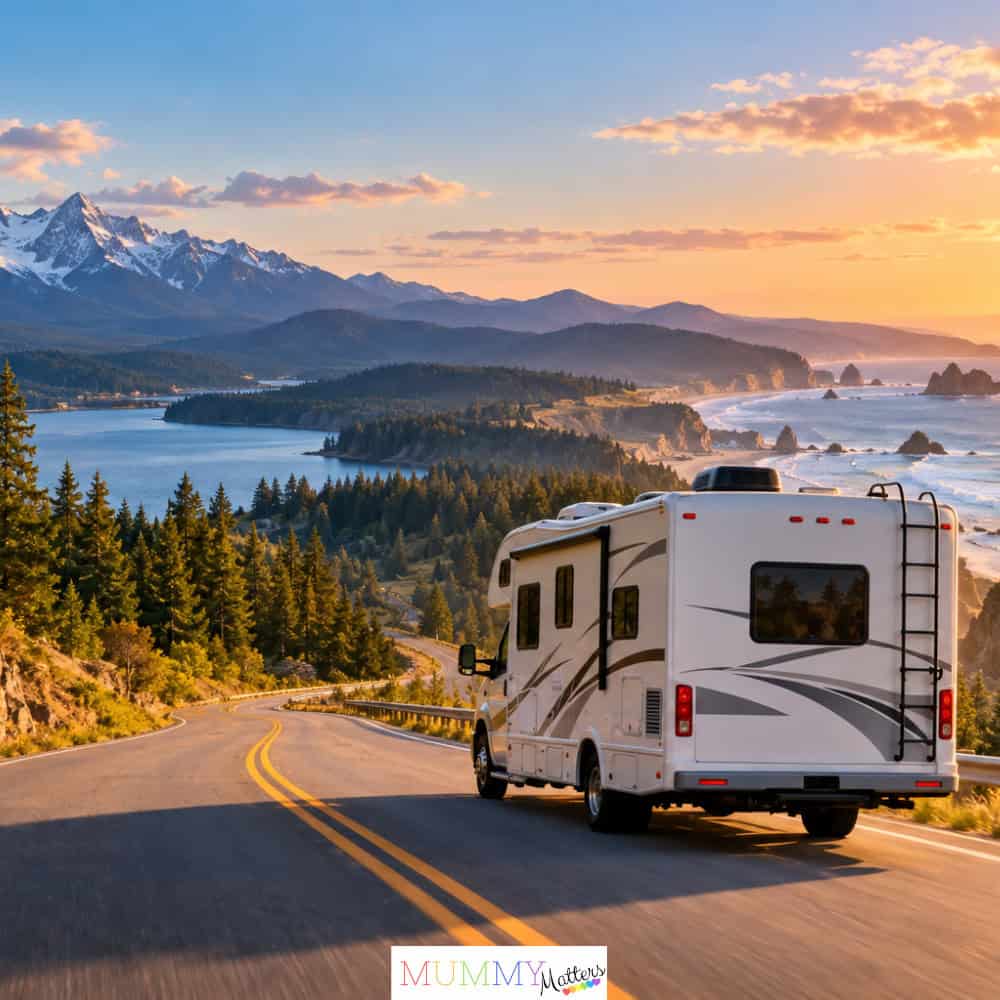
Planning a coast-to-coast RV road trip ranks among the most ambitious travel undertakings, yet thousands of people successfully complete this journey every year. The appeal is clear: unlimited freedom, changing scenery every few days, and the flexibility to adjust your itinerary on the fly. However, turning this dream into reality requires careful preparation in several key areas. This guide breaks down the essential planning steps to ensure your cross-country adventure is both enjoyable and logistically sound.
1. Choose Your Route and Timeline
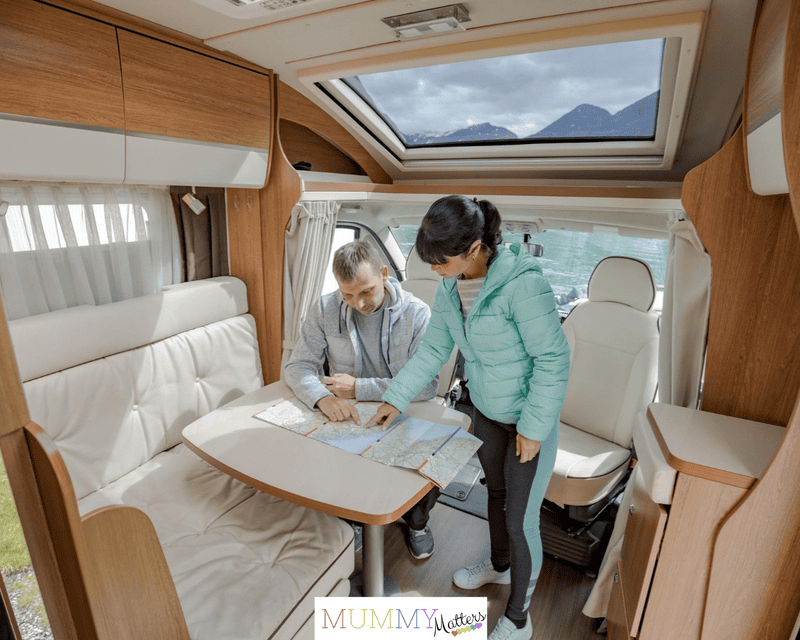
The first decision involves selecting which coast you’ll start from and which roads will carry you across the country. Your route depends on personal interests, seasonal considerations, and how much time you have available. Some travelers prefer the northern route through Montana and the Pacific Northwest, while others choose the southern path through Texas and Arizona for milder winter weather. Establishing your timeline is equally important because it determines how many days you can spend in each location and which season best suits your travel plans.
Most coast-to-coast trips take between three and six weeks, though some adventurers stretch theirs into multiple months. A three-week journey requires long driving days and limited stops, while six weeks allows for deeper exploration of regional attractions. Consider what matters most to your travel style: covering maximum ground or spending several days in select locations. Your answer shapes everything from campground reservations to fuel budgets. Writing down potential stops along your chosen route helps visualize the journey and allows you to research attractions in advance.
2. Prepare Your RV for the Long Journey
Before hitting the road, your RV needs comprehensive maintenance and inspection to prevent breakdowns far from repair facilities. Start with basics like checking tire pressure, fluid levels, battery condition, and brake function. Schedule a professional service appointment to ensure your engine, transmission, and other critical systems are operating at peak performance. Even minor issues at home become major problems when you’re in a remote desert or mountain pass, so thorough preparation saves both time and money.
Stock your RV with essential supplies and tools for emergencies. Include spare fuses, belts, hoses, batteries, basic hand tools, and a first aid kit. Many long-distance travelers also carry backup water filters, propane supplies, and extra engine oil because availability varies by region. Check your insurance coverage and confirm it extends throughout your intended route, as some policies have geographical limitations or require notification before extended travel. Having comprehensive roadside assistance coverage through your insurance provider or an RV club provides peace of mind when facing unexpected mechanical issues.
3. Book Campgrounds and Accommodations
Finding suitable camping spots becomes increasingly competitive during peak travel season, so advance planning is essential. Research campgrounds at your intended stops using dedicated RV camping apps and websites that provide amenity details, reviews, and availability calendars. Popular destinations and national parks often fill months in advance, particularly from May through September. Booking campgrounds before you leave gives you confidence in your itinerary and guarantees a place to rest after long driving days.
Consider your RV’s size when selecting campgrounds, as some facilities accommodate only smaller rigs while others have full hookups for larger vehicles. Full hookups provide water, electricity, and sewage connections that make extended stays more comfortable and reduce the need for dump station visits. Public lands and national forests often offer more affordable or free camping options, though amenities are typically minimal. A mix of commercial and public land camping balances comfort with cost and provides variety throughout your journey.
4. Plan Your Budget and Fuel Considerations

Fuel costs represent your largest expense, so calculating realistic figures is crucial for financial planning. RV fuel consumption varies dramatically based on vehicle weight, engine type, driving conditions, and speed. Lighter travel trailers might achieve 10 to 15 miles per gallon, while larger motorhomes often manage only 5 to 8 miles per gallon. For travelers still in the selection stage before embarking on a cross-country adventure, professional rv dealers in iowa can help match buyers with the right RV size and engine type to keep fuel consumption manageable across thousands of miles. Researching current fuel prices along your planned route and estimating total fuel costs by dividing your total distance by your RV’s expected fuel economy allows you to allocate funds appropriately and identify potential savings through route adjustments.
Beyond fuel, budget for campground fees, which range from free to over one hundred dollars per night depending on location and amenities. Food, activities, vehicle maintenance, and emergency repairs should also factor into your overall budget. Most experienced RV travelers recommend building in a contingency fund of 10 to 15 percent above your projected expenses. This buffer covers unexpected repairs, price variations, and spontaneous activities that enhance your experience. Tracking expenses as you travel helps you adjust spending patterns mid-journey if necessary.
5. Prepare Important Documents and Reservations
Gathering necessary documents before departure prevents complications and delays during your journey. Your RV registration, insurance documentation, and maintenance records should travel with you in accessible files. If you plan to camp on public lands or in national parks, research permit requirements and reservation windows carefully. Some popular locations require reservations months ahead, while others operate on first-come, first-served bases. Having reservations in place provides structure to your daily travel schedule and ensures consistent accommodation availability.
Create an itinerary document that includes your planned stops, campground contact information, and estimated arrival dates at major destinations. Share this information with family or friends staying home so someone knows your general location and route. Update the itinerary as you adjust plans during your journey, especially if you decide to spend extra days at unexpected favorites. Ensure your vehicle registration, driver’s license, and any necessary permits remain current and accessible throughout the trip. Having these documents organized prevents stressful searches when you need them for campground check-in or emergency situations.
Conclusion
A coast-to-coast RV road trip represents an exciting opportunity to explore America’s diverse landscapes and regions on your own time and your own terms. Success depends on thoughtful preparation across multiple planning areas, from route selection and RV maintenance to financial budgeting and document organization. Starting with a realistic route and timeline ensures your adventure matches your actual available time and physical abilities. Thorough vehicle preparation, strategic campground bookings, and careful budget planning transform your cross-country journey from a stressful undertaking into a genuinely enjoyable experience. Taking the time to plan properly before departure means you can focus on creating memories rather than solving preventable problems once you’re on the road.