

A badly packed rucksack can ruin a trip before it even begins. Research on load carriage shows that a pack weighing more than 10 to 15% of your body weight sharply increases the risk of back and shoulder strain. The good news is that packing well is a skill, not a talent. Get the method right once, and every trip afterwards feels lighter. This guide walks you through it, step by step.
Why Knowing How to Pack a Backpack for Travel Matters

Packing is not just about fitting everything in. It is about balance, access, and comfort on your back. A well-loaded pack sits close to your spine and lets you walk for hours without aching.
A poorly loaded one pulls you backwards, tips to one side, and forces you to unpack everything to find your charger. The difference comes down to where each item sits. Master that, and you carry less strain and more confidence.
Start With the Right Backpack and a Ruthless Packing List
Before you pack a single thing, choose a bag that fits your trip and your body. For most travellers, a 40 to 50 litre pack covers a week or two without tempting you to overfill.
Then write a list and cut it hard. The most common mistake is packing for the person you imagine being, not the person you are. Lay everything on the bed first, then remove a third of it.
- Clothes: versatile layers you can mix and match, in one colour palette.
- Toiletries: travel-sized bottles under 100ml for hand luggage.
- Tech: phone, charger, a power bank, and travel adapters.
- Documents: passport, tickets, insurance, and copies stored separately.
- Essentials: a small first aid kit, medication, and a reusable water bottle.
If you are packing for a school expedition or your first proper trek, this expedition kit list for beginners is a brilliant starting point for the non-negotiables.
The Three-Zone Method for Weight Distribution
This is the core skill, so read it twice. Think of your backpack as three horizontal zones: bottom, middle, and top. What you put in each zone decides how the whole pack feels.
Bottom Zone: Light and Bulky
The base is for soft, lightweight items you will not need until the evening. A sleeping bag, spare layers, or sleepwear belong here. This creates a cushioned foundation and keeps low weight away from your shoulders.
Middle Zone: Heavy and Close to Your Back
Your heaviest items go in the middle, pressed against the back panel. Water, a wash bag, or dense gear sit best here. Keeping heavy weight close to your spine aligns the load with your centre of gravity, so the pack does not drag you backwards.
Top Zone and Pockets: Frequent Access
The top and the outer pockets are for things you reach for often. Snacks, a rain jacket, sunglasses, and your travel documents all live here. You should never have to dig to the bottom for something you need every hour.
Roll, Cube, and Compress: The Space-Saving Trio
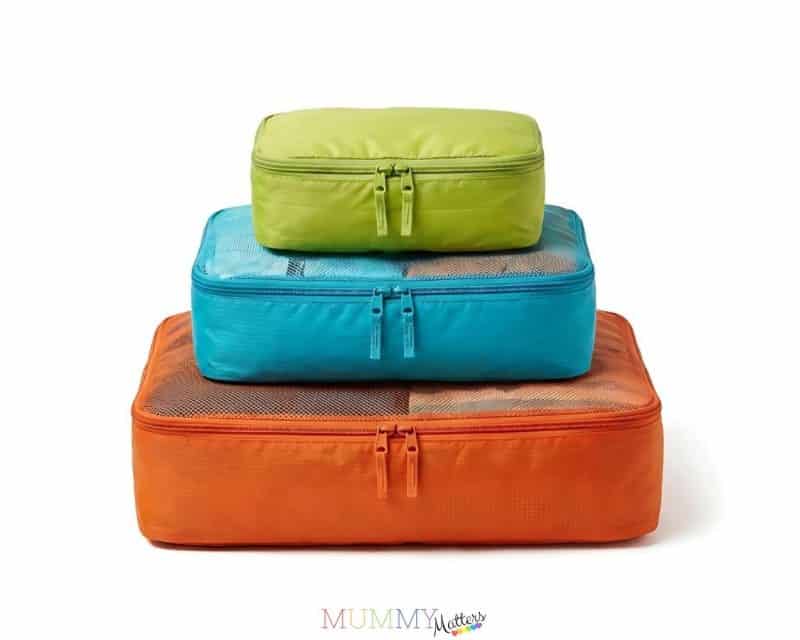
How you fold matters as much as where you place. These three habits reclaim serious space.
- Roll your clothes. Rolling saves room and cuts creasing compared with flat folding. It also lets you see everything at a glance.
- Use packing cubes. Cubes turn a chaotic bag into tidy drawers. One for tops, one for bottoms, one for underwear. Unpacking takes seconds.
- Fill the dead space. Stuff socks inside shoes and small items into gaps. Air is the enemy of a compact pack.
Staying Connected Without the Roaming Bill
One item too many travellers forget to plan for is mobile data. Switching your phone on abroad and paying your network’s roaming rate can quietly add pounds to every day away.
A travel eSIM is the tidy solution, because it takes up zero space in your bag and installs before you leave home. Providers such as Holafly let you set up a data plan for your destination and simply switch it on when you land, so maps and messages work from the moment you arrive.
Final Checks Before You Zip Up
Once everything is in, do not just heave the bag on and go. A few adjustments make a heavy pack feel far lighter.
- Tighten the compression straps to stop the load shifting as you walk.
- Loosen the shoulder straps, then transfer most of the weight to your hip belt.
- Lift the pack, walk around the room, and check nothing pulls to one side.
- Keep your valuables and documents on your body, not in an outer pocket.
If the bag feels wrong now, it will feel far worse at the airport. Rebalance before you leave, not after.
Frequently Asked Questions
How heavy should a travel backpack be?
As a rule of thumb, aim to keep a loaded pack under 10 to 15% of your body weight for comfortable all-day carrying. If you are hiking, some experienced trekkers go higher, but lighter is almost always kinder on your back.
Should heavy items go at the top or bottom of a backpack?
Heavy items belong in the middle, pressed against your back, not the very top or the very bottom. This keeps the weight aligned with your centre of gravity and stops the pack from tipping you off balance.
Is it better to roll or fold clothes in a backpack?
Rolling wins for most travel clothing. It saves space, reduces creasing, and makes items easier to see and grab. Save folding for stiff or delicate garments that crease along the fold.
How do I pack a backpack for cabin luggage only?
Check your airline’s size and weight limits first, then keep liquids in bottles under 100ml in a clear bag. Wear your bulkiest shoes and coat onto the plane, and keep documents in an easy-to-reach top pocket.
Do I really need packing cubes?
You do not need them, but they help enormously. Cubes keep categories separate, speed up security checks, and mean you never have to unpack the whole bag to find one shirt. For frequent travellers, they pay for themselves quickly.
The Bottom Line
Packing a backpack well comes down to three ideas: carry less, place heavy weight close to your back, and keep frequent items within reach. Do those three things and your bag will feel balanced, comfortable, and easy to live out of. Practise the method at home before your next trip, and you will never dread the packing stage again.