
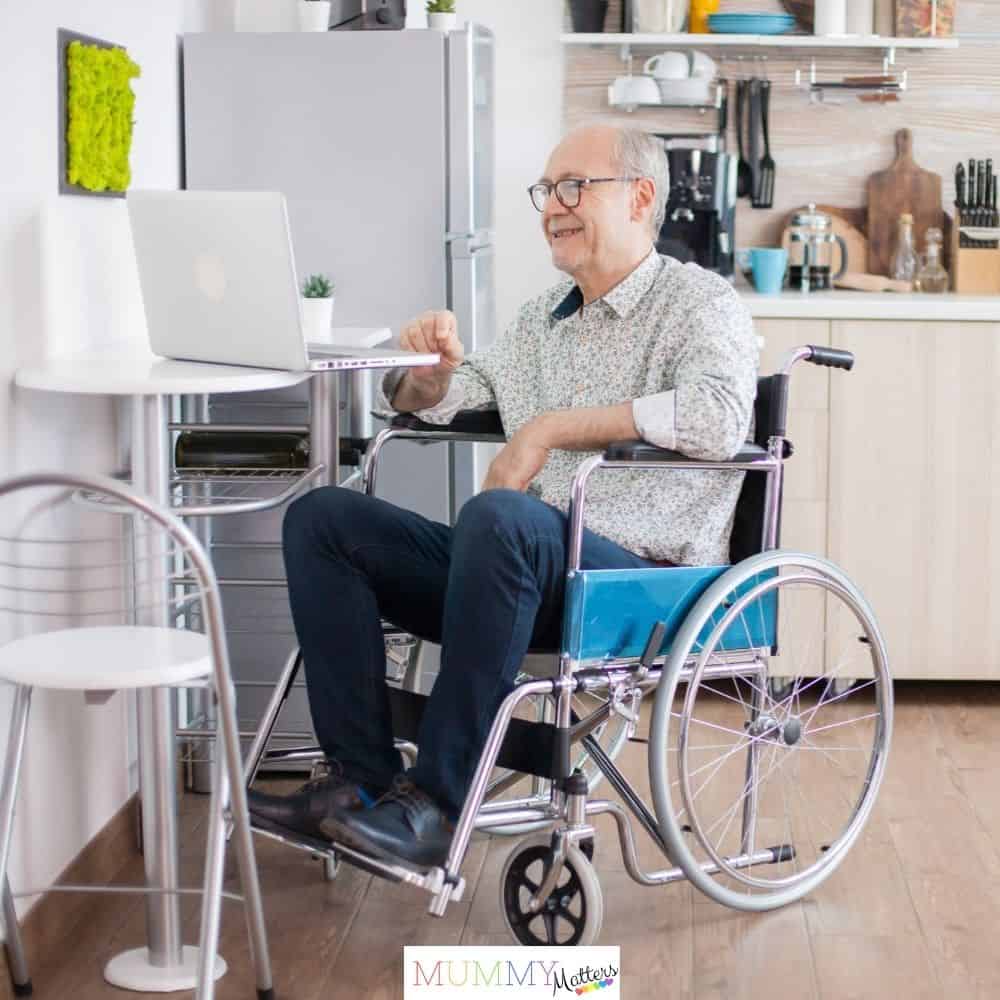
Supporting ageing parents can involve a difficult balancing act. You may notice that certain everyday tasks are becoming harder and naturally want to help, but stepping in too quickly can sometimes leave a parent feeling as though decisions are being made for them.
Independence does not necessarily mean doing everything without assistance. It can mean retaining choice, familiar routines, privacy and control over how daily life is organised. The most useful support is often the kind that makes those things easier to preserve.
Ask What Would Help Before Assuming You Know

It can be tempting to arrive with solutions, particularly when you have spotted a problem that seems obvious. Your parent may see the situation differently.
Begin by asking what they find difficult and, equally importantly, what they still enjoy managing themselves. Perhaps cooking has become tiring, but shopping remains an important weekly routine. Maybe maintaining the garden is becoming difficult while meeting friends locally is something they strongly want to continue.
These details matter because support should be built around the individual rather than a general idea of what older people need.
Make the Home Work Harder, Not Your Parent
Not every challenge requires a major change in living arrangements. Sometimes relatively simple adjustments can make home life more manageable.
Better lighting, easier-to-use kitchen equipment, handrails, improved storage or reorganising frequently used belongings can all remove unnecessary difficulties. Technology can also help with tasks such as reminders, shopping, communication and home security.
Rather than immediately taking over a task, consider whether something about the home or routine could be changed to make that task easier to manage independently.
More Support Does Not Have to Mean Moving Out
When more regular assistance becomes appropriate, care does not automatically have to mean leaving a familiar home.
For some families researching Berkshire live in care services, providers such as uniquecare.co.uk illustrate how ongoing support can be provided while allowing an older person to remain in familiar surroundings and maintain established routines.
Whatever type of care is considered, involve your parent in discussions about what assistance they would welcome, how their day should work, and which aspects of life they want to continue managing independently. The right arrangement should add support where it is needed without unnecessarily taking control elsewhere.
Independence Extends Beyond the Front Door

Remaining at home is only part of the picture. Being able to maintain friendships, hobbies and familiar routines outside the house can be just as important.
If somebody stops driving or finds travelling more difficult, activities that were previously straightforward can gradually disappear from their week. Meeting friends, attending clubs, visiting family or simply going into town may suddenly require much more planning.
Look for practical ways around those obstacles, whether through community transport, taxis, lifts from relatives or care arrangements that accommodate existing social commitments.
Preserving independence should mean protecting someone’s wider lifestyle, not simply their ability to remain in their own property.
Avoid Letting One Person Become the Family Helpdesk
When a parent begins needing more assistance, one family member can easily become responsible for everything from appointments and shopping to paperwork and emergency phone calls.
Where possible, divide responsibilities according to people’s availability and strengths. One sibling might manage financial administration, another could organise appointments, and somebody living nearby might provide more regular practical support.
A shared approach can make support more sustainable while also ensuring that decisions do not automatically fall to one person.
Have the Difficult Conversations While They Are Still Easy
Families often delay conversations about future support because nothing urgently needs to change. Yet waiting for an emergency can dramatically reduce the choices available.
Talking earlier creates time to understand what your parent would actually prefer. Conversations might cover care, housing, finances, transport, and who they would trust to help with important decisions if circumstances change.
There does not need to be a complete plan immediately. Simply knowing someone’s preferences can make future decisions far easier and help ensure their wishes remain central if more support becomes necessary.
Help Should Create Freedom, Not Replace It
Supporting an ageing parent is not about taking over every task that has become slower or more difficult.
A useful question to keep returning to is not simply, “What can I do for them?” but, “What would make it easier for them to keep doing this themselves?”
That distinction can influence everything from home adaptations and transport arrangements to the type of care a family considers. If you’re particularly concerned about your mum, these ways to help your aging mother stay independent can provide some additional practical ideas.
Needs may change over time, but the principle can remain the same: provide enough help to make life safer and easier while protecting as much choice, routine and personal control as possible.