
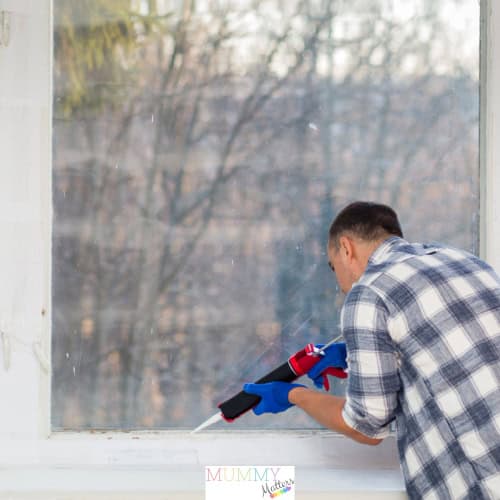
Window seal failure is a common household problem that can compromise not only comfort but also energy efficiency and home value. Homeowners often overlook the importance of well-sealed windows until telltale issues like condensation or drafts arise. Learning how to detect problems early and take appropriate prevention steps will help reduce repair costs and keep your living space pleasant year-round. If you’re unsure about whether your windows require attention, knowing more about broken window seals can provide valuable insight into both signs and solutions.
Windows with failed seals lose their insulating abilities, causing temperature fluctuations indoors and increasing heating and cooling costs. Catching these problems early—through observation and routine checks—can save you hundreds of dollars on energy bills. By understanding window seal failure from the causes and symptoms to repair options, you are more empowered to maintain your home’s comfort and efficiency for the long term.
When you know how to prevent window seal failure, you reduce the risks of costly damage like wood rot and mold, and you help maintain your home’s market value. Prevention begins with simple steps, such as routine inspection and proper cleaning. In this guide, you’ll find a comprehensive approach to keeping your window seals intact and your home protected.
Signs of Window Seal Failure

Early detection of window seal failure can make the difference between a minor repair and a costly replacement. Some of the most apparent signs include:
- Condensation Between Glass Panes: This is a primary indicator of a cracked or broken seal, as moisture seeps between panes where dry air should be.
- Drafts Around the Window Frame: Drafts can usually be felt more during colder months and often signal compromised insulation due to seal wear.
- Distorted or Warped Glass Appearance: You might notice that the glass panes are not flat or seem to bend light differently, which can happen due to changing pressures from seal failure.
- Increased Energy Bills: Windows that have lost their insulating seal let heat escape in the winter and allow it in during the summer, pushing HVAC systems to work harder.
- Difficulty Operating Windows: Misalignment or warping caused by seal issues can make windows stick or be hard to open and close.
Common Causes of Seal Failure
Multiple factors can contribute to window seal failure, many of which accumulate over time:
- Age and Wear: Seals degrade naturally with age as materials lose elasticity and resilience.
- Poor Installation: Incorrect fit or method at the time of installation typically shortens seal lifespan and effectiveness.
- Extreme Weather Conditions: Repeated cycles of temperature changes—especially in harsh climates—force materials to expand and contract, weakening seals.
- Physical Damage: Blunt impact or sustained pressure, such as from slamming windows, can physically break the seal or the surrounding frame.
Preventive Measures
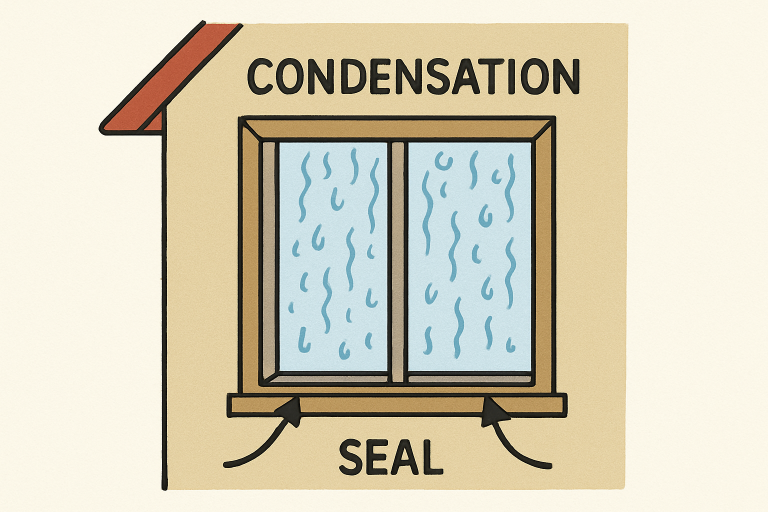
Thoughtful, regular attention to your windows helps delay or prevent seal failures. To keep seals intact, try the following:
- Regular Inspections: At least once a year, check all your home’s windows for visible damage and signs of wear.
- Maintain Proper Humidity Levels: High or fluctuating moisture inside a home hastens seal deterioration. Use dehumidifiers when needed.
- Avoid Harsh Cleaning Methods: Gentle cleaning solutions and methods help preserve both the panes and the seals. Avoid anything that could physically disrupt the frames, like pressure washers.
- Ensure Proper Installation: Whether replacing a window or installing new ones during renovations, work with qualified contractors who guarantee their work.
DIY Detection Methods
Even without specialized tools, you can detect failed window seals with hands-on inspection techniques:
- Visual Inspection: Carefully inspect window interiors and exteriors for condensation, cloudiness, or gaps where glaze and frames meet.
- Candle Test: Hold a lit candle close to the edges of the window on a breezy day. If the flame flickers, you’ve found an air leak.
- Touch Test: Simply run your hand near the window frames; you can often feel cool drafts or air movement even when the window appears shut.
For more detailed advice on window energy performance, consult resources like the U.S. Department of Energy’s guide to windows. Regular maintenance and timely repairs can extend the lifespan of your windows and improve home comfort. Identifying issues early also helps prevent costly damage to surrounding walls and flooring.
When to Seek Professional Help
If your DIY efforts confirm persistent drafts, ongoing condensation between panes, or you spot larger issues with window frames or glass, it’s time to call in a window professional. Such specialists have tools for advanced inspection and can recommend either targeted repairs or full window replacement, depending on the extent of the damage. This is especially critical for multi-pane windows, where proper seal restoration often requires manufacturer-grade tools and techniques.
Repair vs. Replacement
Deciding whether to repair or replace windows largely depends on how severe the seal failure is:
- Minor Issues: If there’s only a small gap, a professional may be able to reseal or inject a special gas to restore insulation.
- Severe Damage: When whole panes or frames have warped or multiple windows have failed, replacement is generally the only way to restore proper energy performance and prevent recurring issues.
Consumer-focused sites like Angi offer useful tips for understanding your options and costs.
Maintaining Window Seals
Consistent maintenance keeps window seals healthy and effective. To maximize window longevity:
- Clean Windows Properly: Gentle cleaning with mild soap helps avoid damaging the seals and ensures you notice minor issues early.
- Inspect Seals Annually: Incorporate window checks into your yearly home maintenance routine. Promptly address any cracks, gaps, or other deterioration.
- Control Indoor Humidity: Use a humidistat or dehumidifier to maintain an ideal environment for both comfort and window preservation.
Conclusion
Staying on top of window seal health is a smart move for homeowners concerned about energy costs, home comfort, and property value. By learning to detect the early warning signs and knowing when to seek professional help, you’ll reduce risks and save money over the lifetime of your home’s windows. Regular inspection and simple, proactive cleaning are all it takes to keep most window seals resilient and effective.