
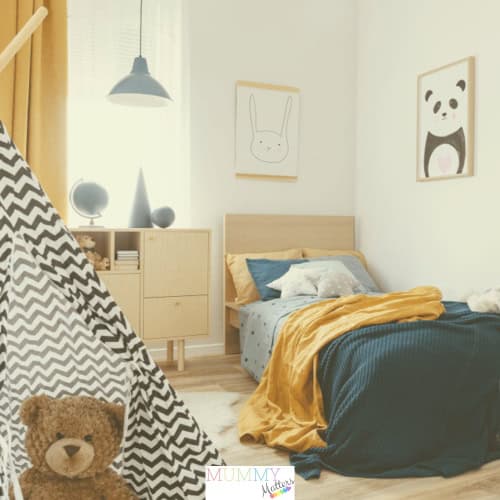
A child’s bedroom is more than a place to sleep, it is where they play, read, rest, and dream. A well-designed space gives them comfort and room to express their personality.
With the right choices, you can create a bedroom that feels safe, practical, and fun. So, in this blog, we’re going to show you some of the best tips on how to create the best bedroom for your child:
1. Start With a Theme or Mood

Begin with a theme that suits your child’s interests, as this gives you a clear design direction while keeping the room cohesive. Even a simple idea can shape everything from colors to decor.
Here are five theme ideas to consider:
- Under the sea
- Space and stars
- Forest and animals
- Rainbow and clouds
- Sports and adventure
Let your child help choose the theme, because when they feel involved, the room becomes a space they are proud to call their own.
2. Comfort is a Must
Comfort comes first in any child’s bedroom, so make sure to pick a good mattress, soft bedding, and furniture that feels solid and safe. A great addition would also be functional storage and easy-to-reach shelves to help kids learn independence.
Think about how the room will grow with your child, so adding things like adjustable desks, neutral main furniture, and multi-purpose pieces can last for years. You can always switch out smaller décor items as their tastes change.
3. Use Decor to Add Personality
Decor is the heart of a child’s bedroom. It adds warmth, style, and character without making the room feel cluttered.
A simple way to change a space is by using kids wallpaper, as it can add color, pattern, or playful imagery that ties the whole room together. Wallpaper options today are often removable, so it is easier to update when your child wants a fresh look.

4. Create Separate Zones of the Room
Zoning a room helps balance rest, learning, and play. Even a small bedroom can benefit from dedicated areas.
Here is a simple layout idea (adjust to your own needs based on the size of the room):
Sleep zone
- Soft lighting
- Calm colors
- Minimal decoration near the bed
Study zone
- Desk with natural light
- Chair with good back support
Play zone
- Open floor space
- A basket or trunk for toys
Using zones keeps the room organized and helps your child know what activities belong where.
5. Add Clever Storage Solutions
Storage keeps a child’s room tidy and stress free. You do not need to fill the space with furniture; sometimes simple solutions work best.
Consider these ideas for practical storage:
- Under-bed drawers
- Wall-mounted shelves
- Fabric bins or labeled baskets
Teach your child to put toys away in specific places so it becomes part of their daily routine.
6. Your Lighting is So Important
Lighting shapes the mood of the room. Examples such as natural light make the space feel fresh and open during the day, whereas, in the evening, soft lamps or warm bedside lighting can create calm, cozy nights.
Night-lights can help younger children feel safe and relaxed. Choose warm tones to create a peaceful environment that supports good sleep.
7. Safety First
Safety should guide every choice, especially in your child’s bedroom, so make sure to anchor heavy furniture to the wall and avoid sharp corners where possible. Pick washable fabrics and durable surfaces that can handle daily use.
Non-toxic paints and finishes help keep the room healthy. Check product labels and read reviews to ensure the materials are child-friendly and long-lasting.
Creating a Room They Remember for Years
Designing a child’s bedroom can be simple and rewarding, for both you and them. As long as you have them along for the process and get their input, you can make sure you build the most memorable room for them, long term.