
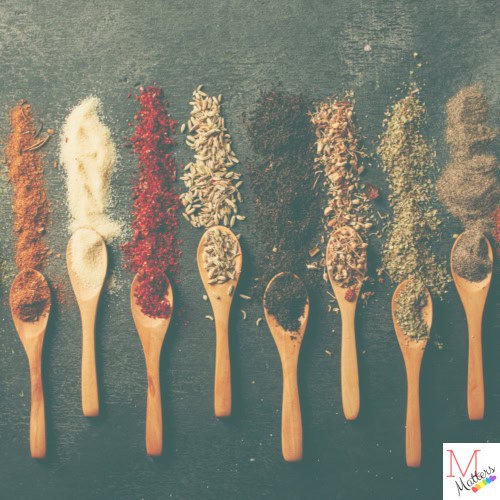
The right seasoning has the power to elevate even the simplest dish into an extraordinary culinary experience. Whether you are cooking meat, fish, or plant-based proteins, the right combination of spices and herbs will enhance the flavors. This guide helps you pair the perfect seasoning with the right protein, ensuring each meal feels like a feast.
Understanding Basic Flavors

Before we delve into specific seasonings, it’s essential to understand the basic flavor profiles: sweet, salty, sour, bitter, and umami. Each of those can amplify or complement the inherent flavor of proteins. A hint of sweetness balances the spicy notes, and a touch of bitterness adds depth. Understanding these profiles helps in selecting pairings and complementary spices, such as those from the Spiceology seasoning range.
Pairing With Meat
Meat can be used with different types of spices. For chicken, use some light spices so you can really savor the natural flavors of the chicken itself. Poultry pairs well with herbs like rosemary and thyme. Compared to red meats, beef can withstand bolder flavors. Some good options would be black pepper, garlic, and smoked paprika. Now we flip sides: Pork pairs well with both sweet and savory flavors, such as brown sugar and mustard powder.
Enhancing Fish and Seafood
A gentle touch is necessary when handling fish and seafood. Their flavors are very delicate and can be easily lost. Lemon, dill, and parsley are traditional herbs that complement the fresh taste of fish. If you like a little heat, sprinkle in some cayenne pepper or chili powder for an added zing. Keep in mind to use these spices sparingly for the sake of balance.
Plant-Based Proteins
Plant-based proteins, such as tofu or tempeh, will absorb flavors well. You can marinate them in soy sauce, ginger, and garlic for a more savory taste. The nutritional yeast adds a cheesy note, which makes the umami flavor even better. For some heat, try cumin and coriander. There are warming spices that add richness and body to plant-based proteins, making them more filling.
Considering Cultural Influences
Cultural traditions largely determine the choice of seasonings. For example, turmeric and cumin are common spices in Indian food, while basil and oregano are widely used in Italian food. Diving into these different traditions introduces new flavors and techniques to regular practice. Adding some of those international influences can make mealtime more exciting.
Balancing Salt and Acidity
We all know that salt is a flavor enhancer; too much of its presence can overshadow a dish. You have to use it wisely. Acidity comes from ingredients like vinegar or citrus, which brighten flavors and cut through fat. Lemon or vinegar in small amounts at the time of seasoning proteins does tons to make ingredients shine.
Experimenting With Spice Blends
Spice blends take the work out of mixing spices in a ratio you like, and they provide more variety. Various aspects of balance, smoothness, and complementary flavors are carefully considered without the need for a single spice. Standard mixes are curry powder, taco seasoning, and herbs de Provence. These can make the seasoning process easier and provide new flavors to try.
Adjusting for Dietary Needs
Dietary restrictions are one thing to keep in mind when seasoning proteins. If you need to reduce your sodium intake, consider using herbs and spices as a substitute for salt. They even offer gluten-free options for those with sensitive stomachs. Seasoning dishes differently can elevate them to new levels, making inclusive holiday eating a real possibility.
Taste Testing and Adjusting
Taste testing is a crucial element in the seasoning process. It allows for modifying seasons before serving. Add a little seasoning at a time, then taste and adjust accordingly. So, the final product tastes good and pleases the palate.
Storing and Preserving Spices
Storing them correctly ensures that spices remain fresh and at their best. Do not expose the spices to direct sunlight; instead, keep them in a dark, cool place away from heat sources. Airtight containers protect them from moisture that can be detrimental to quality. Checking expiration dates regularly helps maintain the full flavor and effectiveness of spices.
To Sum Up
When it comes to seasoning proteins, factors such as flavor profiles, cultural elements, and dietary preferences must also be taken into consideration. If you like to experiment with spices and spice blends, home cooking can yield aromatic and appetizing food. With practice, any meal has the potential to become an epicurean delight