

It’s really tempting to choose exterior materials the same way people choose throw pillows, and the eco-friendly cleaning products they use in their homes. Anyways, when it comes to exterior, something might look good online, it’s everywhere, it feels “current,” and anything else looks wrong. It kind of makes sense because no one wants to have an outdated house. But of course, the outside of a home isn’t decor, it’s armour. It’s the part that gets hit with wind, rain, sun, salt air, cold snaps, heat waves, and all that lovely weather stuff nobody wants to deal with, but we all have to anyway. So, you need to keep that in mind too.
So yeah, aesthetics matter, because nobody wants to build a house that looks like a sad box. While you might be able to do a “free for all” when it comes to the materials inside your house, when it comes to the exterior, well, you honestly can’t.
Start with What the Weather Actually Does
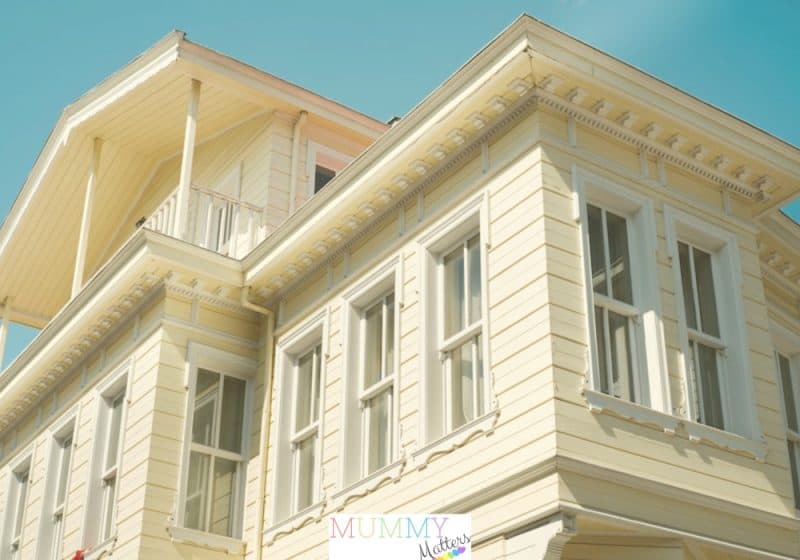
Okay, so climate doesn’t just mean “it’s hot” or “it’s cold.” In a way, here, you can think of it like the personality of the weather where the house sits. Is it damp for months, with constant drizzle and humidity. Is it dry but brutally sunny. Is it coastal, where salt quietly eats metal and finishes? Is it a place with big temperature swings that make materials expand and contract over and over.
Once that’s clear, the right material becomes way easier to spot. In wet climates, water management is a big issue. Plus, keep in mind here that cladding and paint systems need to handle moisture, and the detailing matters more than the material itself sometimes. Well, the same for flashing, drainage, ventilation gaps, and so on . Now, these are two examples, but when it comes to hot and colder places, there’s a lot of considerations there too, like UV resistance and freeze-thaw cycles.
What’s the Maintenance Reality Here?
Now, with that part said, maintenance is where people get surprised. Some materials look incredible, but they demand attention. Which, yes, is where people get it wrong. Actually, timber cladding is a good example here because it can be stunning, but in wetter climates it tends to ask for regular care, sealing, repainting, making sure moisture isn’t sitting where it shouldn’t.
Well, a good rule is this: if a material needs upkeep that realistically won’t happen, it’s not the right material. And no, it’s not because anyone’s lazy, but because life is busy and nobody wants their weekend plans replaced by “exterior maintenance again.”
Just Think Beyond the Surface
Well, exterior materials aren’t just about what’s visible. The wall system underneath matters too. Which, yes, is pretty obvious here. Meaning it’s the insulation, ventilation cavities, vapour control, air sealing, those details affect comfort and longevity. But this tends to be forgotten about. That’s why it helps to think of the exterior as a system, not a skin.
And if performance is part of the build plan (and it absolutely needs to be), tips on building an energy efficient home can help connect the dots between exterior choices, insulation strategy, and how the whole structure manages heat and moisture.
Trends Change
Yeah, it’s as simple as that. Whatever trend is happening right now, well, it’s only happening right now; who knows, maybe by next year or the year after, it’s outdated. That’s definitely not something you’d want, then, right?