
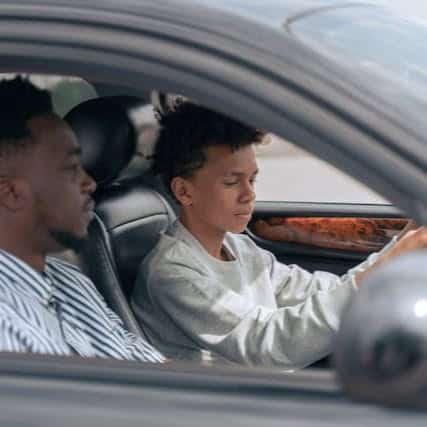
In all honesty, there’s a special kind of silence that happens when you tell a teenager, “We need to talk.” Well, it’s honestly something that no one likes to hear; you just instantly expect the worst of the worst, right? Yeah, it’s not peaceful, and for teens, well, it’s different. You can usually get the it’s the “I’m about to hear something boring, so I’ll just stare into space and think about something else” kind of silence. And if the topic is safe driving (because there’s plenty of dangers to teen drivers)? That’s when the eye-rolls start warming up like they’re about to set a world record.

But of course, here’s the inconvenient truth that they just need to know; they do need to hear it. Well, sort of at least. But really, the trick is making sure you don’t turn into the human version of a road safety leaflet. If you want this chat to actually sink in, it needs to feel real, relevant, and just interesting enough to stop them from scrolling mid-sentence.
Okay, but this sounds pretty hard, right? So how can you do this properly?
Try and Tell a Story they Can’t Unhear
Well, for starters, don’t give them boring statistics; actually, teens have a magical power to forget statistics within five seconds. Instead, just tell them “one in five young drivers has an accident” and it’s gone before you’ve even blinked. But tell them about an 18-year-old who crashed into a lamppost because they were filming a TikTok dance? Oh, they’ll remember that. Probably forever.
Just generally speaking here, stories stick. Actually, real situations stick even harder. Oh, and when they’re about people their own age, they immediately understand that driving doesn’t feel like some abstract adult responsibility, so that alone makes it feel like something that could actually go wrong for them.
Make it About their World, Not Yours
Seriously, now, you’re going to have to just understand that they don’t care that you once got distracted changing a cassette tape. As harsh as this sounds, that was your problem in the “dark ages”. Their distractions are more… upgraded. For example, it’s the group chats that won’t stop, mates asking for “just one quick stop,” and a phone that pings nonstop.
So you’re going to have to talk about what’s real for them. If they’re night owls, explain how driving tired can be just as bad as driving tipsy. If they’re glued to their phone, point out how even “just a quick glance” can mean missing the car that’s braking in front of them. You’re proving you get it, not giving them history lessons about 2003.
Don’t Forget the “Legal Landmines”
Now, sure, most teens get the whole “don’t drink and drive” thing. At this rate, that’s hammered down in movies, the news, and everywhere else. But what they don’t always clock is that the law doesn’t care if what’s affecting their driving came from a pub or a pharmacy (or anywhere really).
It’s not something they get educated on, but not really anyone, for that matter. But driving under the influence of anything that messes with your judgment, even prescription meds, can land you in serious trouble. Well, trouble big enough to need a drug driving solicitor to sort it out. You’re not saying this to scare them into bubble wrap. You’re saying it so they don’t accidentally wreck their record over something they thought was harmless.
Asking Questions is Everything
Yeah, sure, that’s already a given, right? But a teen faced with a lecture will just switch off and stare into space, just like what was already mentioned. So, just keep them engaged by making it a conversation. Here’s a couple of examples: “What would you do if your friend wanted you to drive them home after drinking?” “How would you handle it if you were halfway home and realised you were falling asleep?”
Now they’re thinking about it. They’re coming up with their own answers, and if they come up with the answer themselves, they’re way more likely to remember it.
Just Frame it as Trust, Not a Trap
Well, the quickest way to make a teen defensive is to talk like you’re waiting for them to mess up. Oh yeah, that’s awful, right? Well, instead, just make it about trust. They have to understand that driving is a privilege, and they’ve earned it. But that trust comes with the understanding that they’ll make smart choices. When you treat it like a responsibility they’ve proved they can handle, they’ll take more ownership.