
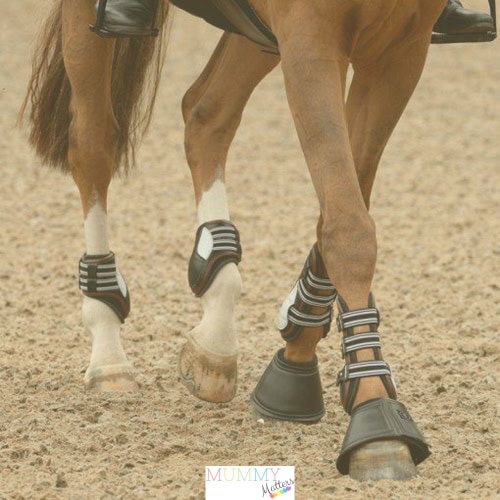
It is also essential to know that training sessions more often than not create strain on a horse’s legs and joints. Choosing shoes that provide support is critical, as they alleviate some of the load. When horses wear properly fitting and usable protection, their muscles, tendons, and ligaments can move freely, ensuring they remain safe and sound while active. Having the right gear can make the most significant difference in your performance and recovery.
What The Boots Are For
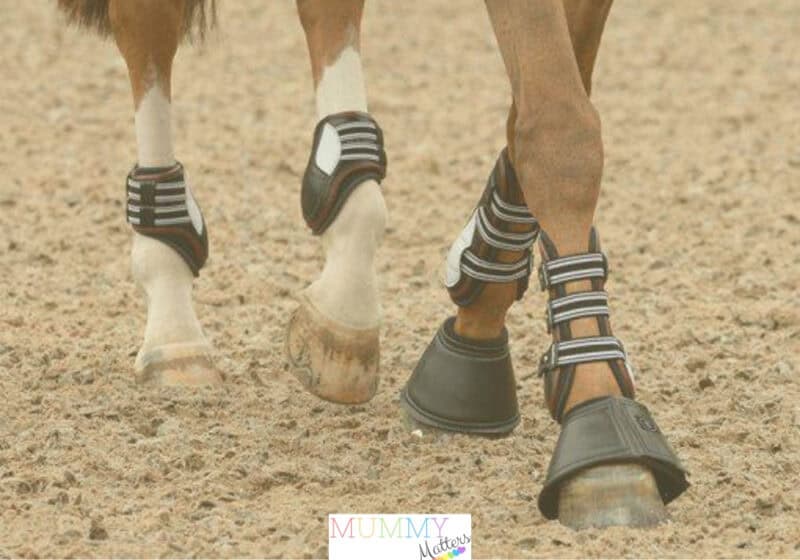
Premium horse boots are designed to protect your horse’s legs while supporting performance and recovery. These allow the lower legs to absorb shocks while protecting against abrasions during your daily workouts. They help prevent bruises and reduce the risk of overreaching (when the hind hoof strikes the front leg) while being ridden. Proper support means the animal experiences less discomfort during strenuous exercise.
What to Choose and Why?
Different styles of boots meet specific training needs. And while splint boots offer protection to the cannon bone from hits and scrapes, brushing boots help to avoid damage from the horse itself. Bell boots protect the delicate heel area and help prevent pulled shoes. Each style protects specific parts of the leg, leading to healthier legs and joints.
Protection Against Strain and Fatigue
These activities can be repetitive and cause additional strain, especially during strenuous movements like jumping or cantering. Boots help diffuse pressure on the foot, easing stress on various tendons and ligaments. It helps prevent fatigue, which allows horses to train longer without injuring themselves. Aids consistent performance and speeds up recovery between sessions when used regularly.
How Horse Boots Promote Confidence
Boots that fit well will generally make a horse feel safer. We extend past the beauty of protection; horses are more willing to take longer strides or jump higher, for that matter, when they are legged up. The reassurance allows both the juvenile and adult creatures to focus on gaining new skills rather than fearing injury. When you are confident in a session, it leads to better results and fewer reversals.
The Best Materials Ensure Maximum Comfort
Materials are an essential performance factor. Lightweight, breathable fabrics help to wick away sweat and keep legs cool in boots. A layer, in addition to the hard surface material outside, provides shock absorption inside the shoes. Choosing adjustable closures allows for a close, tailored fit for every beast.
Proper Fit and Placement Matter
A good boot fit will secure the boot in the area you want to protect, without any movement or friction. If the fit is too loose, then the protective gear may move during training. If it is fitted too tightly, blood flow can be confined, leading to swelling or discomfort. Horse riders should inspect the rub marks and pressure points regularly and adjust as per the necessity of the horse’s comfort.
Maintaining and Cleaning Horse Boots
Boots that are kept clean last longer and perform better. Dirt and sand can become trapped in the boots, leading to issues ranging from merely annoying to significant pain, irritation, or even skin sores. Keeping them clean and debris-free after every use keeps the boots in excellent shape. When you air-dry them from top to bottom, you prevent mold and prolong their lifespan. Wear spots can be detected early during inspections, preventing minor issues from turning into significant problems.
How Do You Know When It’s Time to Retire Old Boots?
The best and finest of things wear out in time. Ripped or cracked liners or loose zippers reduce effectiveness. Routine inspections are used to determine when a replacement is required. No matter what happens, prompt action will ensure the horses stay safe while being trained. New equipment enhances performance while reducing the potential risk of injuries.
Conclusion
The proper boots provide enhanced protection from the elements while working out. Breathe into these; they are essential for alleviating excess energy, improving performance, and supporting recovery. It is through thoughtful selection, routine maintenance, and replacing it as needed that we keep horses safe and comfortable. When a trainer and an owner pay attention to proper protection, they ensure their horses have the best chance to train correctly and without risk of damage.