
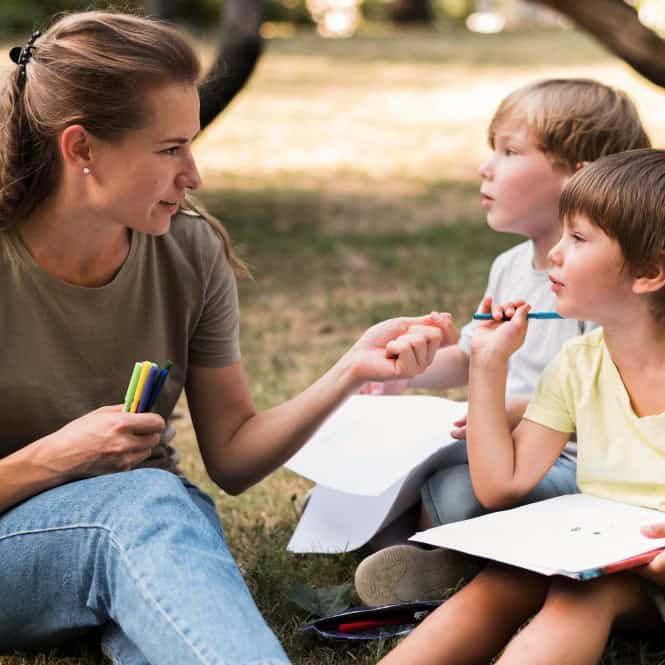
Every child learns in their own way, and special education helps support those who need extra help. It gives children with learning challenges or disabilities the tools and guidance they need to grow and succeed.
Special education doesn’t just improve school skills-it also helps kids build confidence, social skills, and independence. Learning how it works shows just how important it is for child development. Keep on reading for more info.
Understanding Special Education

Special education programs help children with different disabilities. These programs give kids the tools and support they need to grow and learn. Every child learns in their own way, and special education makes room for that. The goal is not just to do well in school, but also to build life skills. These skills help kids become more independent and get along with others.
How Special Education Facilitates Child Development
One of the main benefits of special education is its focus on enhancing child development through customized strategies. Some ways in which special education supports growth include:
Individualized Learning Plans (IEPs)
IEPs are special plans made just for one child. These plans include learning goals, extra help, and changes that make school work better for them. IEPs help teachers teach in ways that work best for each student.
Specialized Instruction
Special education teachers use many tools like pictures, hands-on tasks, and computers to help kids learn. These tools match how each child learns best. Teachers can also change how they teach if something isn’t working.
Social Skills Development
Learning how to get along with others is very important. Kids are taught how to talk, share, and solve problems with others. These skills help them feel more ready in social settings.
Emotional Support
Special education staff know how to help kids who feel worried or upset. They create calm places where kids feel safe and listened to. Feeling supported helps kids feel stronger and better about themselves.
Parental Involvement
Parents work with teachers to make sure their child is learning well. They also help at home by practicing skills. When parents and teachers work together, kids learn more easily.
The Importance of Social Skills in Development

Social skills are a fundamental aspect of child development that goes hand-in-hand with academic learning. Children with special needs, in particular, can benefit from targeted programs that teach them how to interact, resolve conflicts, and form meaningful relationships. Social integration is vital, as it fosters a sense of belonging and helps build a supportive network. This, in turn, enhances their emotional resilience and academic success.
Promoting Independence through Tailored Learning Strategies
Fostering independence is one of the most significant outcomes of special education. By equipping children with essential skills such as decision-making, problem-solving, and self-advocacy, they become more capable of navigating life’s challenges. Educators who understand the value of a Masters in Special Education are often better prepared to implement these strategies effectively. They use advanced knowledge to tailor instruction to each student’s needs.
Unlocking Lifelong Benefits with Special Education
The value of special education extends beyond the classroom. By supporting children in their early years, special education lays the foundation for lifelong learning, social interactions, and independence. Parents and educators must collaborate to optimize these educational opportunities, ensuring that every child has the tools to succeed and thrive.
For more related topics, check out the rest of our blog!