
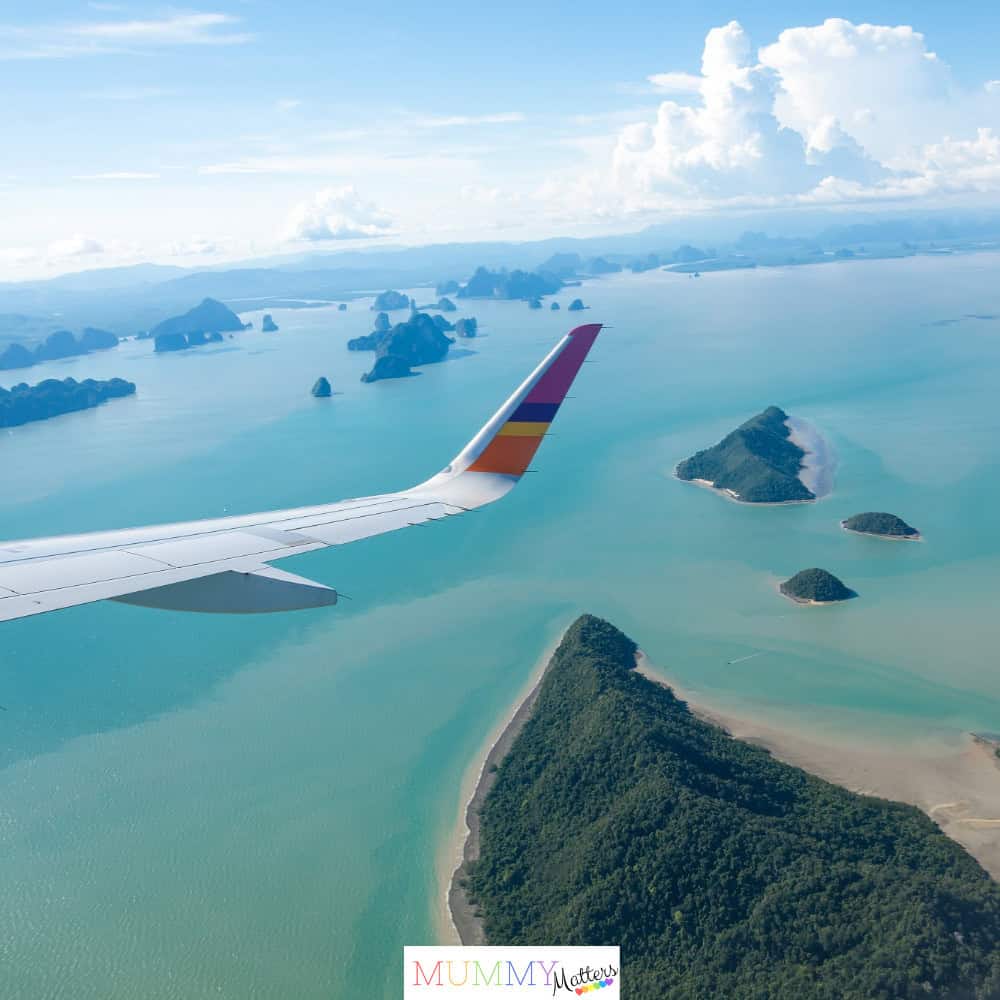
Air travel is something most people are familiar with, whether they are taking a short domestic trip or traveling internationally. Seaplane travel, however, offers a very different experience. Instead of operating exclusively from conventional airports, seaplanes can take off from and land on water, making them particularly useful for reaching islands, coastal areas, and remote destinations.
For travelers who have never been on a seaplane, understanding these differences can make it easier to know what to expect.
Different Takeoff and Landing Locations
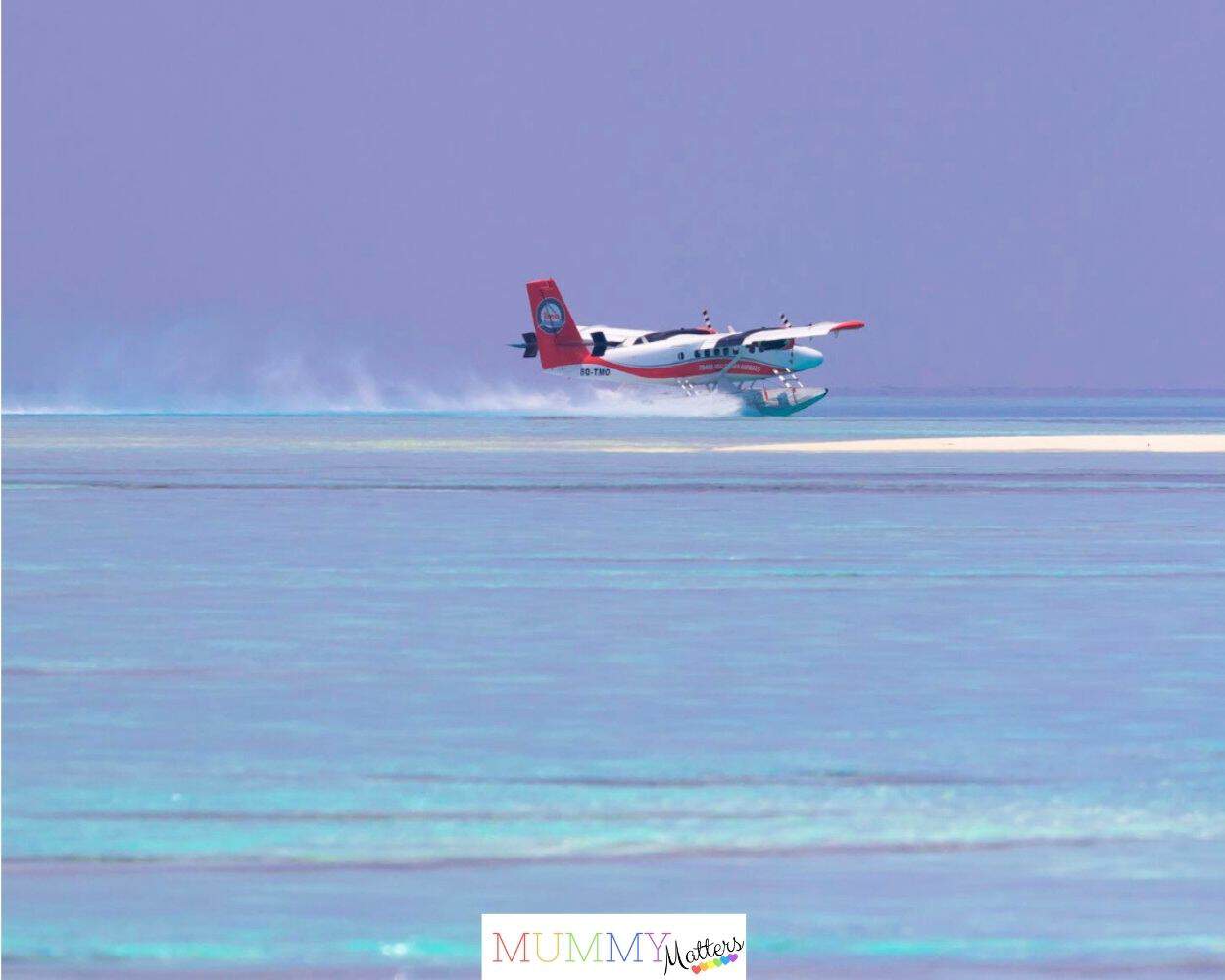
One of the biggest differences is where the aircraft operates. Traditional airplanes generally use airports with paved or specially prepared runways. Seaplanes are designed to operate from bodies of water, using designated areas that provide enough space for takeoff and landing.
Fly with Tropic Ocean Airways (https://flytropic.com/bimini/) can make travel more convenient in locations where building or reaching a conventional airport would be difficult. Some destinations can be accessed directly from coastal areas or nearby waterways.
A Different Boarding Experience
Boarding a seaplane may feel quite different from boarding a commercial aircraft. Instead of walking through a large airport terminal and using a jet bridge, passengers may board from a dock, waterfront terminal, or designated seaplane facility.
The process is often simpler, but travelers should still arrive on time and follow the operator’s instructions regarding check-in, luggage, and boarding procedures.
Smaller Aircraft and Fewer Passengers
Seaplanes are often smaller than the commercial aircraft used by major airlines. Depending on the aircraft and route, there may be room for only a limited number of passengers.
The smaller cabin can create a more intimate travel experience, but it also means that baggage allowances may be more restrictive. Travelers should check the operator’s luggage requirements before arriving.
Shorter Routes to Remote Destinations
Seaplanes can be especially useful for reaching places that are difficult to access by road or conventional air travel. A destination may have a nearby body of water suitable for seaplane operations even when it does not have a full-size airport.
This can reduce the need for lengthy road journeys, ferry transfers, or connecting flights and can make remote travel considerably more convenient.
Weather Plays an Important Role
Weather can affect all forms of air travel, but seaplane operations are particularly dependent on conditions around the water. Wind, waves, visibility, and other factors can influence whether it is safe to take off or land.
As a result, schedules can sometimes change because of weather conditions. Travelers should remain flexible and pay attention to updates from their operator, especially when visiting areas where weather can change quickly.
Scenic Views Along the Way
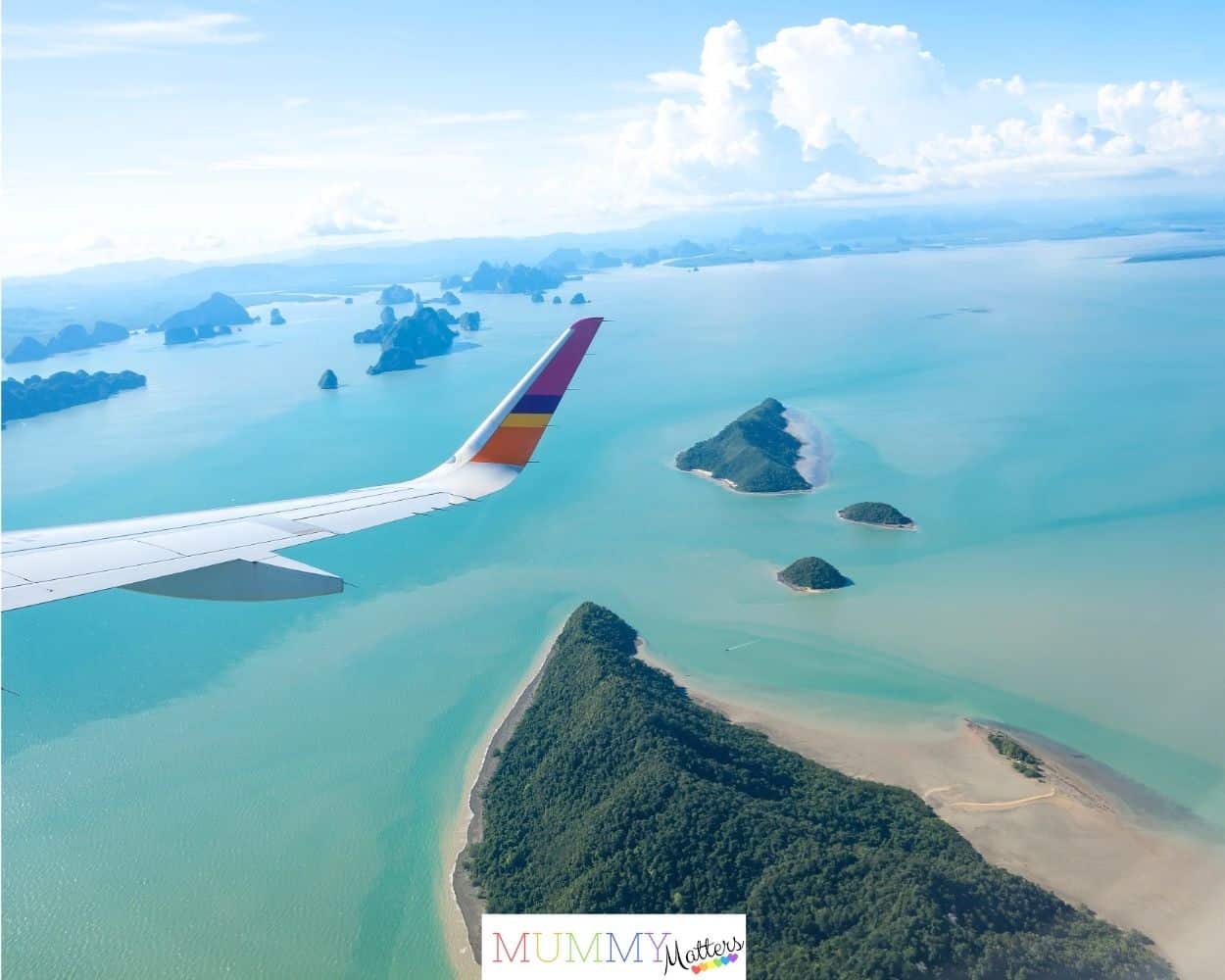
Another notable difference is the experience itself. Seaplanes often fly relatively low and travel over coastlines, islands, lakes, and other natural landscapes. Passengers may have impressive views that are not typically available during a conventional commercial flight.
For many travelers, the journey becomes part of the destination rather than simply a way to get from one place to another.
Different Baggage Considerations
Because seaplanes are generally smaller, luggage restrictions can be more significant than those on larger commercial flights. Weight limits are important because aircraft performance can be affected by the total load.
Passengers should confirm baggage allowances in advance and avoid assuming that the standard airline baggage allowance applies. If traveling with bulky equipment or unusually large bags, it is particularly important to discuss arrangements with the operator beforehand.
A More Personalized Travel Experience
Seaplane flights often involve smaller groups and more direct routes. This can create a more personal experience compared with traveling through a busy commercial airport.
Depending on the destination and service, travelers may spend less time navigating terminals, security lines, and connecting gates. The experience can feel simpler and more relaxed, although procedures still vary between operators.
What Travelers Should Keep in Mind
Seaplane travel offers several advantages, but it requires a slightly different approach to planning. Travelers should check baggage restrictions, understand the boarding location, allow flexibility for weather-related changes, and follow all instructions provided by the operator.
For anyone visiting an island, coastal community, or remote destination, a seaplane can provide not only transportation but also an enjoyable part of the overall travel experience.
Check-In and Departure Procedures
The check-in process for a seaplane can be different from what travelers experience at a large commercial airport. Smaller facilities may have simpler check-in areas, fewer counters, and a more streamlined boarding process.
Passengers should confirm the exact departure location ahead of time, as some services operate from waterfront terminals or docks rather than traditional airport buildings. Arriving early also gives travelers enough time to complete any required check-in procedures and prepare their luggage.
Seating and Cabin Experience
The cabin environment on a seaplane is typically more compact than that of a commercial passenger aircraft. Seating arrangements vary depending on the aircraft, and there may be less space for personal belongings or movement during the flight.
The smaller cabin can also make the journey feel more personal and provide passengers with closer views of the surrounding landscape. Travelers who enjoy sightseeing may find the cabin experience to be one of the most memorable aspects of the journey.