
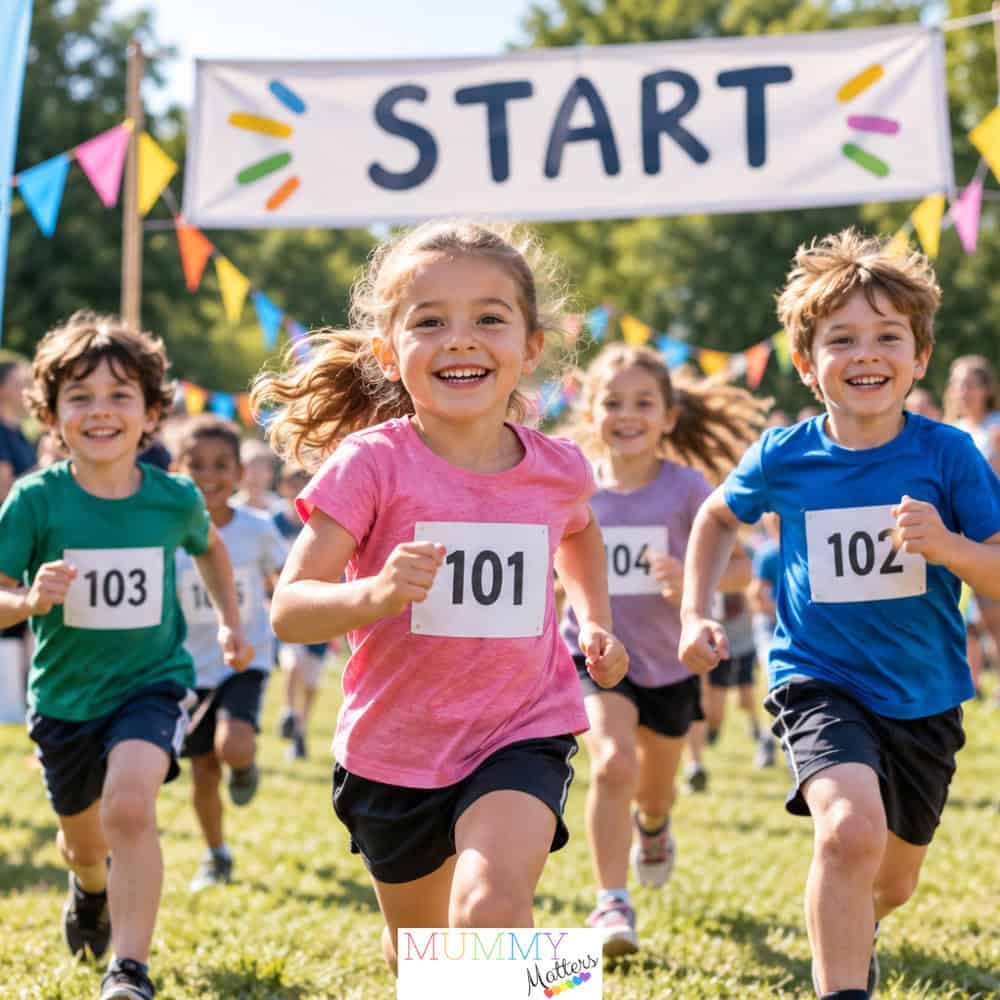
Planning a children’s fun run can feel overwhelming, especially if you have never coordinated an event before. Breaking the project into manageable steps makes the process straightforward and even enjoyable. A well-organized fun run gives kids a chance to stay active and connect with their peers while building community spirit among families. Whether you are organizing a school event, fundraiser, or neighborhood gathering, understanding the fundamentals helps ensure everything runs smoothly.
1. Set Your Goals and Budget
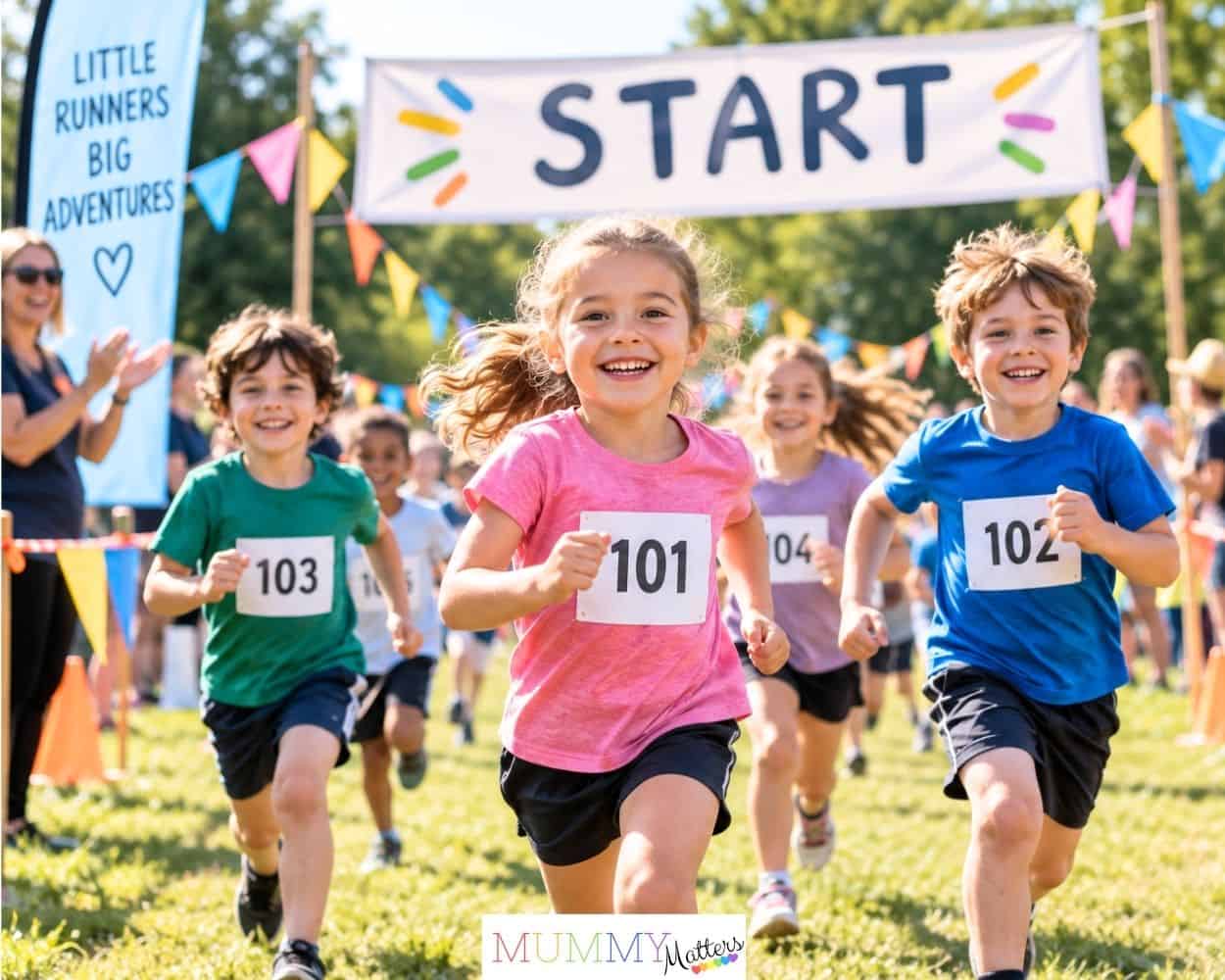
Before working through logistics, clarify why you are hosting the fun run and what you hope to achieve. Are you raising money for a specific cause, promoting fitness, celebrating the end of the school year, or simply bringing families together? Your primary goal will shape many subsequent decisions, from route design to the type of prizes you offer. Once your purpose is clear, establish a realistic budget that covers permits, insurance, printed materials, refreshments, and awards.
Consider how you will fund the event through registration fees, local business sponsorships, organizational support, or a combination of approaches. Having a clear budget prevents overspending and helps you decide which elements to include. Document all planned expenses in a spreadsheet so you can track spending as the event date approaches. If you are fundraising, decide upfront how much you need to raise and which revenue streams will contribute to that goal.
2. Choose Your Date, Time, and Location
Selecting the right date and time is critical for maximizing participation and ensuring child safety. Avoid dates that conflict with major school events, holidays, or community activities that might pull families away. Early morning hours, typically between 8 and 10 a.m., work well because temperatures are cooler and children are alert. Allow at least eight to twelve weeks of planning time to secure permits, recruit volunteers, and build awareness.
The location should be safe, accessible, and appropriately sized for your expected number of participants. Parks with paved paths, school grounds, or community tracks are practical choices. Visit potential sites in person to assess parking, restroom access, and water station placement. If you plan to use a public space, contact your local parks department or city officials to understand permit requirements and any restrictions on event size or timing.
3. Plan Your Route and Course Setup
A fun run route should be age-appropriate, safe, and engaging enough to hold children’s attention throughout. For younger children, distances of one to two kilometers work well, while older kids can handle three to four kilometers. Walk or run the course yourself to identify hazards, confusing turns, or sections that might challenge slower runners. Mark the route clearly using cones, flags, or chalk arrows so participants stay on track.
Set up water stations at strategic points, particularly at the halfway mark and near the finish line, and staff each station with volunteers who can help children hydrate safely. Plan the finish line area with enough space for participants to cool down, collect awards, and reunite with families. Designate separate zones for spectators so they do not interfere with the course. Adding shaded seating for adults and younger siblings watching from the sidelines improves the overall experience for everyone present.
4. Recruit and Organize Volunteers
A successful fun run requires a dedicated volunteer team covering registration, course monitoring, water stations, finish line recording, and setup and cleanup. Determine how many volunteers you need based on expected attendance, aiming for roughly one volunteer per fifteen to twenty participants. Reach out to local organizations, businesses, parent groups, and community members who might support the cause. Create an online sign-up form so people can indicate their preferred roles and availability.
Send detailed role descriptions to each volunteer well before event day so they understand their responsibilities. Hold a brief orientation meeting or distribute written instructions covering arrival times, duties, communication methods, and safety protocols. Provide volunteers with clear identification such as matching t-shirts or armbands so participants and families can recognize them easily. Offering light refreshments on the day is a simple way to acknowledge their contribution.
5. Promote and Register Participants
Effective promotion ensures strong participation and builds anticipation around your fun run. Use multiple channels to reach families, including school newsletters, social media, community bulletin boards, and local media outlets. Create a clear event description that emphasizes community and activity, and establish an online registration system where families can sign up, select distances, and submit emergency contact information. Send reminders as the date approaches that include course details, arrival times, and parking guidance.
Many organizers find that meaningful finishing awards strengthen children’s connection to the event, and custom race medals give every young participant a tangible keepsake they can take home and display with pride. Consider creating a social media hashtag where families can share photos and build community excitement in the days leading up to the event. Consistent communication keeps the fun run visible on busy family calendars and reinforces enthusiasm as race day draws closer.
6. Prepare for Race Day
Success on event day depends on thorough preparation and clear coordination. Create a detailed morning timeline covering volunteer arrival, course setup, registration opening, warm-up activities, and race start. Prepare written checklists for each team member so nothing is overlooked, and assign one person to serve as the main point of contact for last-minute questions or issues. Have a contingency plan for weather, such as a rain date or an indoor alternative where feasible.
Stock the event with first aid kits, extra water, registration materials, and all awards. Brief volunteers on safety protocols, including how to handle minor injuries and when to involve emergency personnel. Begin with a short group warm-up to energize participants and signal the transition to race time. Use a clear starting signal such as an air horn so all runners know when to begin, and throughout the event keep the emphasis on participation and enjoyment rather than speed or competition.
Conclusion
Organizing a kids’ fun run involves careful planning across budgeting, logistics, volunteer management, and participant outreach. Each step builds on the previous one, creating a foundation for an event that children will remember positively. By setting clear goals, selecting an appropriate location and route, recruiting reliable volunteers, and communicating consistently, you create the conditions for a smooth and enjoyable experience. Starting early, staying organized, and remaining flexible when unexpected challenges arise are the qualities that separate a stressful event from a celebrated one. With thoughtful preparation and community involvement, a fun run can grow into an annual tradition that encourages children to stay active and builds lasting connections among families.