

Skincare treatments can do wonders for one’s face and improve one’s confidence. Facials, which help people get a radiant, younger look, are always in vogue. The majority of people want to know how often they should get these treatments in order to see a difference and make sure they last. Considerations such as skin type, age, and desired outcome will determine the best course of action. To get the best results without going overboard, it’s important to know what the optimal frequency is.
Skin Type and Facial Frequency
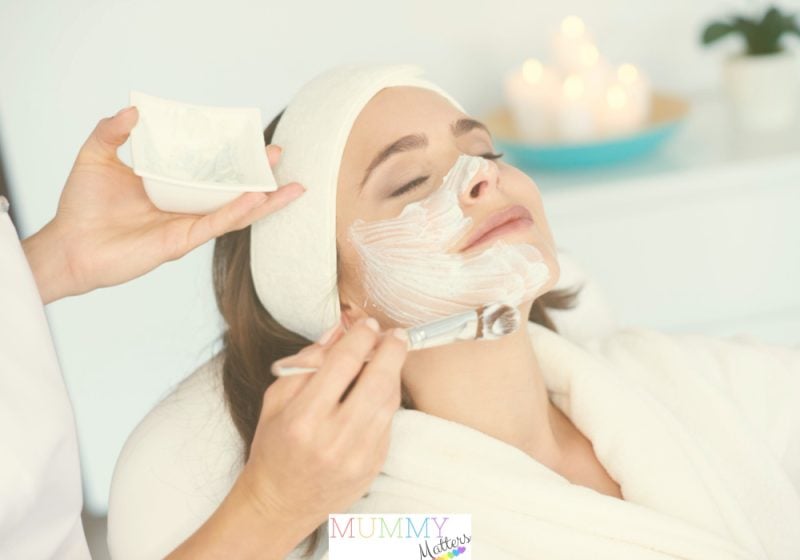
Not all skin types respond the same way to facial treatments. For instance, if you have oily skin, your sessions may need to be more frequent to help manage sebum production and reduce breakouts. If your skin is dry or sensitive, you may not be able to go as frequently; too many facials can irritate your skin. Combination skin types may need to consider their particular trouble spots when deciding on their schedule.
A skincare specialist can help determine the appropriate minimum interval for each individual. When booking a facial in the East Village, the ideal treatment schedule often depends on skin type, since oily, dry, or sensitive skin may respond differently to how frequently facials are performed.
Age and Skin Concerns
The skin reacts to professional treatments differently depending on the age of the patient. Younger skin typically heals faster, so they may see results with fewer treatments. Skin renewal slows down with age, and regular treatments help with regeneration and firmness. People with targeted concerns, such as fine lines or uneven tone, may require more frequent visits. Modifying the frequency depending on age entails caring for the skin every step of the way.
Goals and Expectations
By describing your ideal facial outcome in advance, you can set reasonable expectations for the rapid rejuvenation your skin can undergo during the treatment. While some of these aid in the fight against aging, others make blemishes and uneven skin tone much less noticeable. If someone is seeking maintenance, they can book appointments every month for gradual progress. A mental health practitioner might suggest multiple sessions closer together for localized problems. Talking to a specialist helps build a plan that aligns with ideal outcomes.
Seasonal Changes and Environmental Factors
Climatic conditions also have a say in how frequently you should give your skin professional attention. Winter’s cold and dry air may lead to scaling or irritation, and summer’s warming effect often pushes oil secretion. The facial frequency needs to be adjusted based on the climate to help keep people in balance. Those who live in polluted urban areas probably have frequent treatments to remove toxins. When a schedule is customized to the environment, the results are more effective and long-lasting.
Benefits of Routine Treatments
Facials have many advantages, including a quick, calm, or well-lit effect on the skin. Doing regular cleansing and scrubs will avoid clogged pores and dullness over time. Regular manipulation employed during treatment promotes circulation, resulting in a more vibrant, more youthful appearance. Regular appointments enable the therapist to keep track of any changes, making adaptations to products as needed to achieve the best results. Over time, skin develops a greater tolerance to daily stressors.
Potential Risks of Overdoing It
It is important to note that, though there are multiple benefits to consistent use, overuse may irritate or make your skin sensitive to the lotion. Sometimes, exfoliating too frequently can remove essential oils and damage the barrier, causing irritation. By spacing out appointments, your skin has a chance to heal and gain back its strength. Feedback from both skin and facial providers prevents undesirable side effects. You get the best results from maintaining relatively balanced routines.
Recommended Frequency for Most People
Most people recommend getting a professional facial every four to six weeks. This is also when the skin naturally renews, letting dead cells leave and fresh ones come to the surface. Those with more concerns may spread the visits out, while others dealing with a specific concern may go more frequently over a short period. Frequent assessment of skin needs and objectives will keep the schedule in line.
Conclusion
How often you book a facial will depend on individual needs, preferences, and lifestyle. When you factor in skin type, age, objectives, and environmental factors, you are able to use a routine that yields visible and sustainable results. Skin will be healthier and more glowing in the long run with consistency, moderation, and honest talks with a skin specialist. Finally, with the right insurance, everybody can reap the benefits of some professional TLC and renewed self-esteem.