
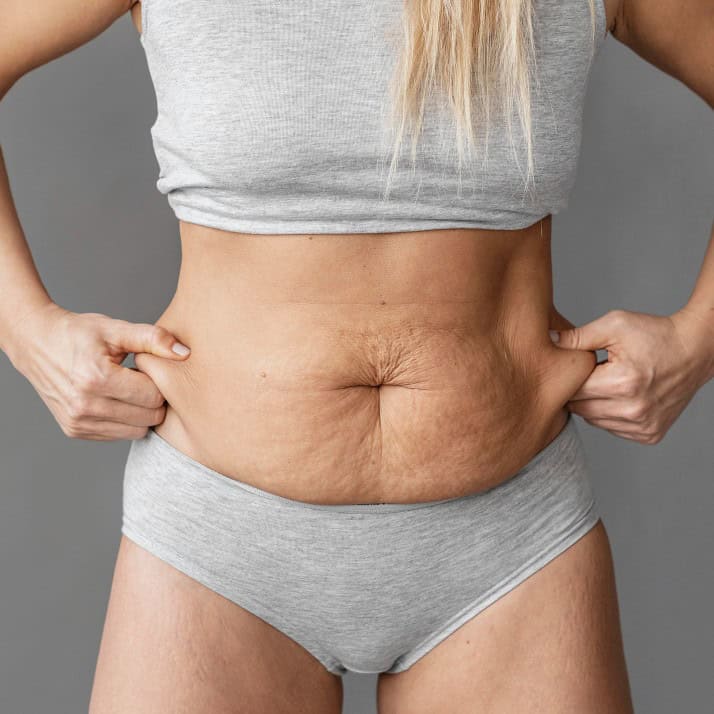
Choosing between a full tummy tuck and a mini tummy tuck can be confusing, especially with so many options available in Toronto. Each surgery is designed to address different needs and body concerns, so knowing what sets them apart matters. A mini tummy tuck targets only the area below the belly button and is a less invasive surgery, while a full tummy tuck treats both the upper and lower abdomen for more noticeable results.
People who want to improve the look of their lower belly without going through a more involved surgery may consider a mini tummy tuck procedure. This type of surgery usually involves a smaller cut and quicker recovery compared to a traditional tummy tuck. Understanding these key differences can help someone choose the right option for their body goals.
Key Differences Between Mini and Full Tummy Tuck in Toronto

A mini tummy tuck and a full tummy tuck are two types focused on flattening the stomach area, but they target different areas and involve different recovery times. How much skin and muscle they address, who should get each, and recovery steps can vary.
Definition and Scope of Each Procedure
A mini tummy tuck focuses on the lower abdomen, targeting skin and muscle below the navel. The incision is shorter, and less tissue is moved or removed. It works best for people with loose skin or small fat pockets below the belly button.
A full tummy tuck covers both the upper and lower belly. The cut often stretches from hip to hip, and skin and muscle are repaired across the whole abdomen. It also moves the belly button, which a mini tummy tuck does not.
Candidates Best Suited for Each Option
A mini tummy tuck is right for people whose extra skin and muscle looseness sit mainly below the belly button. This includes people with a small bulge from weight loss or pregnancy.
On the other hand, candidates for a full tummy tuck often have loose skin or muscle separation both above and below the navel. This includes people with larger weight changes or stretched muscles after pregnancy. People seeking more change to the shape and tightness of the entire stomach are usually better matches for a full procedure.
Comparison of Results and Recovery
Both types of surgery flatten the stomach, but the results are different. A mini tummy tuck offers a flatter lower stomach with a smaller scar. It does not fix the upper abdomen. Healing is usually a bit quicker, with less swelling and less discomfort.
A full tummy tuck gives a more even look across the whole stomach area. The recovery is longer and may include more limits on movement for the first weeks. People usually need more time off work. Both procedures avoid correcting areas outside of the stomach.
| Feature | Mini Tummy Tuck | Full Tummy Tuck |
| Area Treated | Below navel | Full abdomen |
| Scar Length | Shorter | Hip-to-hip |
| Recovery Time | Shorter | Longer |
Surgical Techniques Used
During a mini tummy tuck, doctors use a shorter cut along the bikini line. The skin below the belly button is lifted, and muscles in this area can be tightened. Liposuction may be included if needed. The navel usually stays in place.
A full tummy tuck uses a long cut from one hip bone to the other. The skin is lifted all the way up to the ribs. In this surgery, doctors repair separated muscles throughout the whole stomach. They also move the navel to a natural spot. Liposuction is sometimes used to smooth the edges or sides.
Sutures are placed inside the body to close and support the muscles, and the incisions are carefully closed with stitches or surgical adhesive. The steps are detailed and careful for both, but a full tummy tuck involves more tissue work.
Cost, Risks, and Long-Term Considerations in Toronto
Price, safety, and how long results last can affect someone’s choice when thinking about a mini tummy tuck or a full tummy tuck in Toronto. There are differences in cost, possible complications, and what to expect over time.
Typical Pricing and What Influences Costs
A mini tummy tuck often costs less than a full tummy tuck. In Toronto, mini tummy tucks usually target the area below the belly button, so they use less time in surgery and require less medical work. This can cause prices to be lower by about $1,500 to $2,000 compared to full tummy tucks.
The price for both options depends on factors like the amount of correction needed, the surgeon’s experience, and the level of aftercare provided. Facility fees, anesthesia, and any extra procedures also affect the total cost. It’s common for a full tummy tuck to cost more because it usually involves repairing muscles and removing more skin.
Patients should look at what is included in the cost, such as follow-up visits or surgical garment fees. Some clinics may also offer payment plans for convenience.
Potential Risks and Complications
Both a mini tummy tuck and a full tummy tuck have risks, but the chances of problems differ. The mini tummy tuck often has fewer risks because the surgery is shorter and focuses on a smaller area. However, it’s still surgery, so there is a chance for infection, bleeding, or scarring.
Complications like numbness, swelling, or slow healing may happen. Rare but possible issues include fluid collection and blood clots. With a full tummy tuck, there is usually a longer recovery and a greater chance of issues related to muscle repair.
Talking to an experienced surgeon and following post-surgery instructions helps lower these risks. Surgeons will explain risks in detail during the first visit.
Expected Longevity of Results
Mini tummy tuck results are usually long-lasting if someone stays at a stable weight and follows a healthy lifestyle. The results can last for many years, but large weight changes or pregnancy can affect the outcome.
A full tummy tuck can offer more dramatic results across the entire abdomen, including above and below the belly button. These changes can also last for a long time, with similar limits if someone gains or loses a lot of weight later.
Taking care by eating well, staying active, and not smoking can help keep results looking good over time. The amount of skin and fat removed and whether muscles were repaired can also influence how long the results stay noticeable.
Conclusion
A mini tummy tuck and a full tummy tuck address different concerns in the abdominal area. The mini version focuses on the lower belly, usually with a smaller scar and quicker recovery. The full version helps with loose skin and muscle tightening above and below the belly button.
Choosing between the two depends on the amount of excess skin and muscle slack present. Patients should discuss their goals and health status with a qualified professional to decide which approach fits their needs.