
There are many different ways to design a home. In fact, there are thousands of different architectural variations found across the world, from the Arctic igloo to the Mediterranean villa. These diverse building styles are shaped by differences in climate, lifestyle, history and local resources. Even matters like local laws can affect how homes are built.
Understanding why these variations in home design occur is key to understanding how different cultures live. In this post, we’ll explore some of these differences in greater detail.
Which countries have the largest homes on average?

Housing size varies greatly between different countries. Australia tops the list with an average square footage of 2,300 ft, which is the result of abundant land and a preference for ever-sprawling suburbs. The US isn’t far behind – many homes often exceed 2000 square feet, driven by a cultural emphasis on personal space and cheap available land.
Which countries have the smallest homes on average?
Some of the smallest homes in the world can be found in China – specifically in Hong Kong, where the average home is just 484 square feet due to urban density and high real estate costs. This means that you could fit almost 5 average Hong Kong homes into the average Australian home. The UK is meanwhile not far behind – our homes are on average just 818 square feet as a result of living on a tiny densely populated island with limited free land.
How does the number of storeys vary?
Multi-storey homes are popular across much of the world including many parts of Japan and Europe – especially densely populated areas where it’s more sensible to build up. In the rural US and suburban Australia, single-storey ranch houses are more popular. That said, there has been a growing trend towards more two-storey homes in Australia built by companies like 101residential.com.au, while ranch-style homes are becoming more trendy in certain parts of Europe.
What are some of the differences in materials?
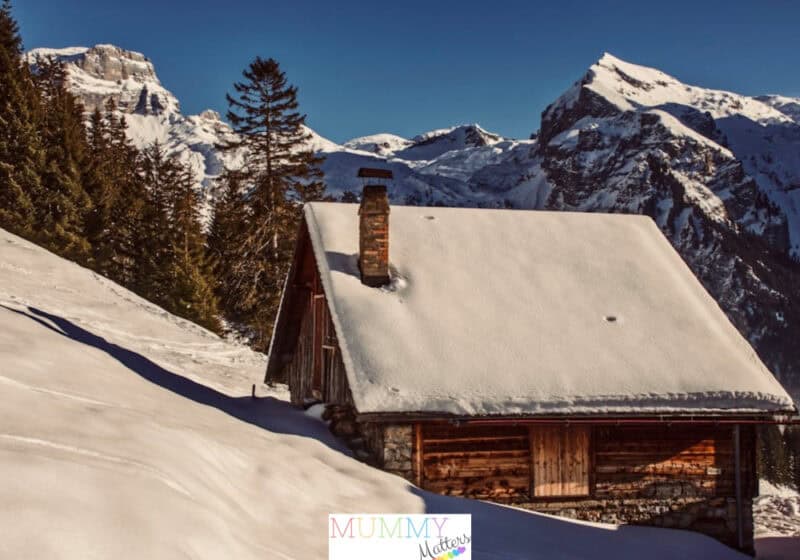
An array of different materials are used to build homes across the world. Local material availability and climate have traditionally shaped which materials are used in homes. For example, brick has become the go-to material in the UK as a result of its insulation qualities and resistance against wet weather. In much of the US, most homes are meanwhile made from timber due to its abundance and speed of construction. Head to arid areas in the Middle East, and you’ll meanwhile notice many homes built from mud bricks and adobe due to their natural cooling properties.
What are some of the differences in roofing?
Roofing styles also vary a lot around the world. These are sometimes shaped by climate; across Canada and Northern Europe you will see many steep pitched roofs to help encourage drainage of rain and snow, while in Egypt and the Middle East you will see many flat roofs due to reduced rainfall. Certain roofing materials may also be more beneficial in certain climates. For example, clay is commonly used in hot countries because it reflects a lot of heat, while black asphalt is often used in cold countries where it can absorb heat and keep homes warmer.
What are some of the differences in flooring?
Flooring choices can also vary across the world. Materials like hardwood and carpet remain popular in regions like Canada and Northern Europe, because they can stay warm underfoot longer. Tile flooring meanwhile prevails in hot countries like Mexico and Thailand – it stays cool longer and can help to keep homes cooler during heatwaves. In countries like Japan, unique traditional choices like tatami mats are sometimes used.
How do bathrooms differ in style?
Bathroom design can also be shaped by cultural differences. Head to Japan, Brazil or Argentina and you will find that many bathrooms have bidets. These are less common sights in bathrooms in countries like Germany, the US and Australia where toilet paper is more common. Differences in building codes can also affect bathroom design. For example, the UK is one of the few countries that does not permit electrical sockets in the bathroom for safety reasons as a result of higher voltage outlets.
How do kitchens differ in style?
Kitchens also greatly vary in style across the world. These differences can be shaped by cuisine – for example, the traditional Indian kitchen would typically have open shelves for easily selecting different jars of spices. The average space of homes also affects kitchen layouts and what they contain. US kitchens tend to be much larger and often contain large refrigerators and multiple in-built appliances like trash compactors which are not as common in other countries. UK kitchens meanwhile notably often contain washing machines, because many homes do not have laundry rooms and it is the most convenient place to put this appliance.
How do different countries heat and cool their homes?
Another major difference is how different countries heat and cool their homes. This can come down to a mix of climate and tradition. Here in the UK, most homes have boiler systems with radiators, which are efficient in colder temperatures. HVAC is a less common sight than it is in other countries like the US and Australia due to less need for cooling and higher energy costs. Interestingly, in a country like Singapore, most homes don’t have any heating system installed and just have AC – this is because the temperature is generally hot all year round, so there’s no need for heating.
Which country has the most energy-efficient homes?
On the topic of energy, who is the winner when it comes to sporting the most energy-efficient homes? Germany. This country’s strict Passivhaus standards have resulted in greenest construction standards in the world with most modern German homes sporting triple glazing and solar panels. Insulation standards are catching up across much of Europe, but countries like the UK still have a way to go to compete (although this is largely due to having a much greater percentage of older homes, which were built long before insulation was prioritized).