

Building alarm systems are designed to detect potential dangers or security threats and alert the people who need to respond. Depending on the system, this could mean detecting an intruder entering through a door or window, identifying smoke or excessive heat, warning of a carbon monoxide leak, or monitoring other risks within a property.
Most alarm systems work using a combination of sensors, a central control panel and an alert or notification system. When a sensor detects a condition it has been designed to monitor, it sends a signal to the control panel. The system then responds according to its programming, which might include sounding an alarm, activating warning lights, sending a notification or alerting a monitoring service.
Although the basic principle is relatively simple, the type of protection needed can vary considerably between a family home, office, school, warehouse or larger commercial site. Understanding the different components and how they work together can make it easier to choose an alarm system that suits the building and the risks you need to manage.
What Is a Building Alarm System?
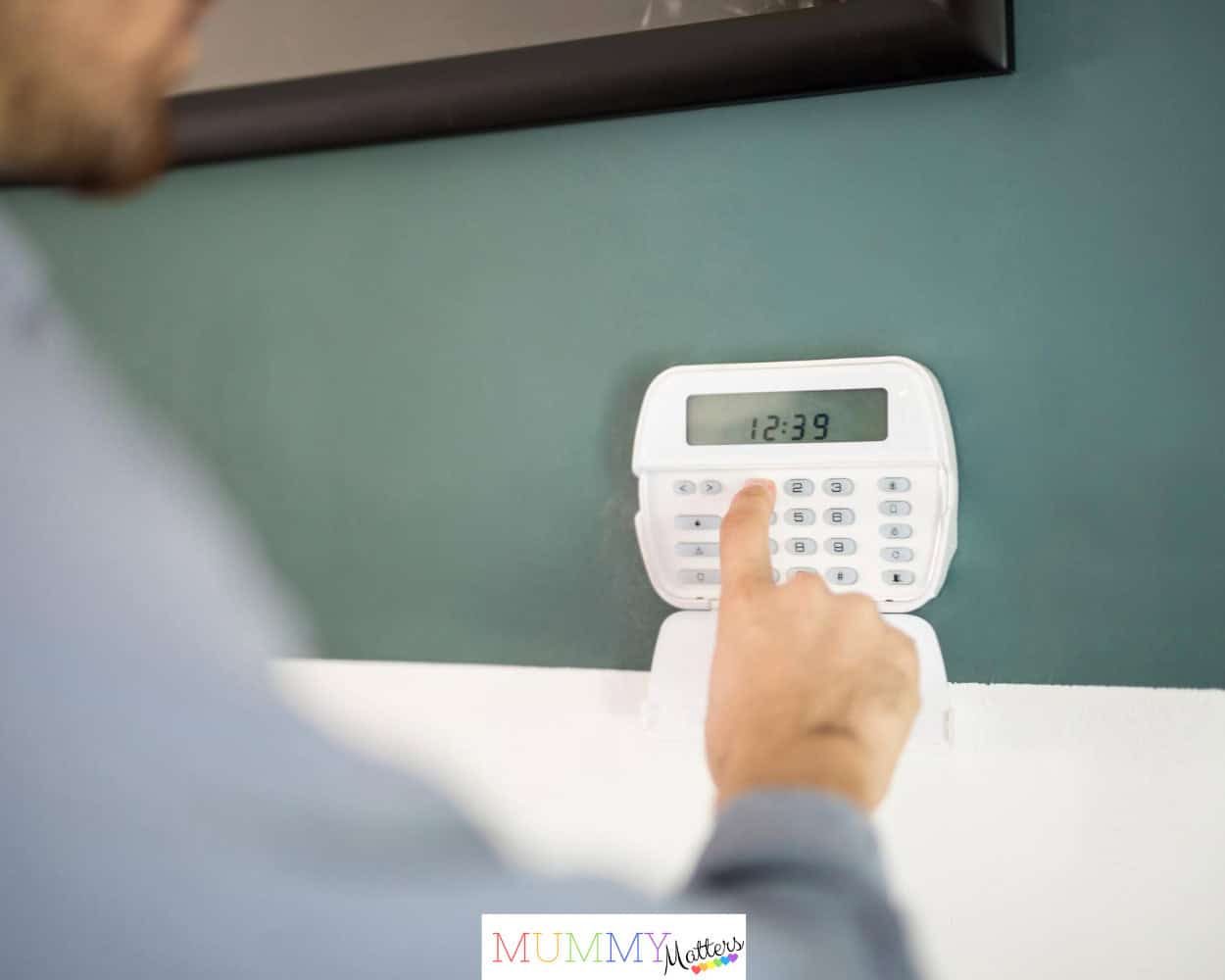
A building alarm system is a network of devices that monitors a property for specific risks and provides a warning when certain conditions are detected. While we often associate alarms with home or business security, modern systems can monitor much more than unauthorised entry. Depending on the building and the equipment installed, they may detect smoke, heat, carbon monoxide, water leaks and other potential hazards.
Some systems are relatively simple, with sensors connected to a control panel and an audible alarm. Others form part of a much larger safety and security setup, particularly in commercial buildings where alarms may be connected with access control, CCTV, monitoring services and communication systems.
The level of protection required will depend on how a building is used, its size, the number of people who occupy it and the particular risks involved. A domestic security system, for example, is likely to have very different requirements from an alarm system protecting a school, warehouse or large office building.
Key Components of Building Alarm Systems
Although alarm systems vary depending on their purpose and the type of building they protect, most are made up of several key components working together.
Control Panel
The control panel acts as the central hub of the alarm system. It receives information from connected sensors and devices and responds according to the way the system has been configured. Depending on the setup, this might mean activating a siren, displaying the location of an alert, sending a notification or passing information to a monitoring service.
Modern control panels may also offer remote access, system diagnostics and integration with other security or building-management technology.
Sensors and Detectors
Sensors are positioned around the building to monitor particular conditions. The type and number required will depend on the risks being monitored and the layout of the property. Common examples include:
- Motion sensors, which detect movement within a monitored area.
- Door and window sensors, which can detect when a protected entry point is opened.
- Glass-break sensors, which are designed to recognise sounds or vibrations associated with breaking glass.
- Smoke detectors, which detect smoke that could indicate a fire.
- Heat detectors, which respond to changes in temperature according to their design.
- Carbon monoxide detectors, which monitor for dangerous levels of carbon monoxide.
- Water-leak sensors, which can provide an early warning of leaks or unwanted water in vulnerable areas.
Not every building needs every type of detector, and different safety systems may operate independently rather than through one central alarm panel.
Audible and Visual Alarms
When an alarm is activated, occupants need to know that something requires their attention. Depending on the system and building, warnings can include sirens, bells, voice messages and flashing lights. The type of warning required will depend on the purpose of the alarm and the needs of the people using the building.
Monitoring and Notifications
Some alarm systems can send alerts to designated people or connect to a professional monitoring service. A monitored security system, for example, may transmit an alarm signal to a monitoring centre so that the appropriate response procedure can begin.
Smart and connected systems may also send notifications to a phone or provide remote access through an app or web portal, allowing authorised users to check the system when they are away from the property.
How Building Alarm Systems Work
While different alarm systems are designed to detect different risks, the basic process can usually be understood in three stages: detection, assessment and response.
1. Detection
Sensors and detectors continuously monitor the areas or conditions they have been installed to protect. A door sensor might detect that an entry point has been opened, for example, while a motion sensor detects movement and a smoke detector responds to signs of a potential fire.
When a detector is activated, it sends a signal to the relevant control equipment. Depending on the system, this communication may take place through physical wiring or a wireless connection.
2. Assessment
The system processes the signal according to its configuration and determines what action should follow. This doesn’t necessarily mean that the control panel independently confirms that a genuine emergency is taking place. Instead, it responds to the information it receives and the rules that have been programmed into the system.
More sophisticated systems may use information from several devices or different detection methods to help manage alerts and reduce unnecessary activations. The exact process will depend on the type of alarm system and how it has been designed.
3. Response
When the control panel receives a signal that meets the system’s programmed alarm conditions, it triggers the appropriate response. Depending on the type of system, this could involve sounding alarms, flashing warning lights, activating other connected safety or security measures, and notifying occupants, security teams or a monitoring centre. Some advanced systems can also provide real-time information to building managers and security personnel through mobile apps or web interfaces.
Once an alert has been generated, larger sites may also need a reliable way for staff to coordinate across buildings, outdoor areas or multiple locations. push-to-talk communication solutions can support instant one-to-one or group voice communication over mobile and Wi-Fi networks, helping teams stay connected without relying on a conventional local radio system. The communication setup should still be planned around site coverage, working conditions and the organisation’s existing alarm and response procedures.
Types of Building Alarm Systems
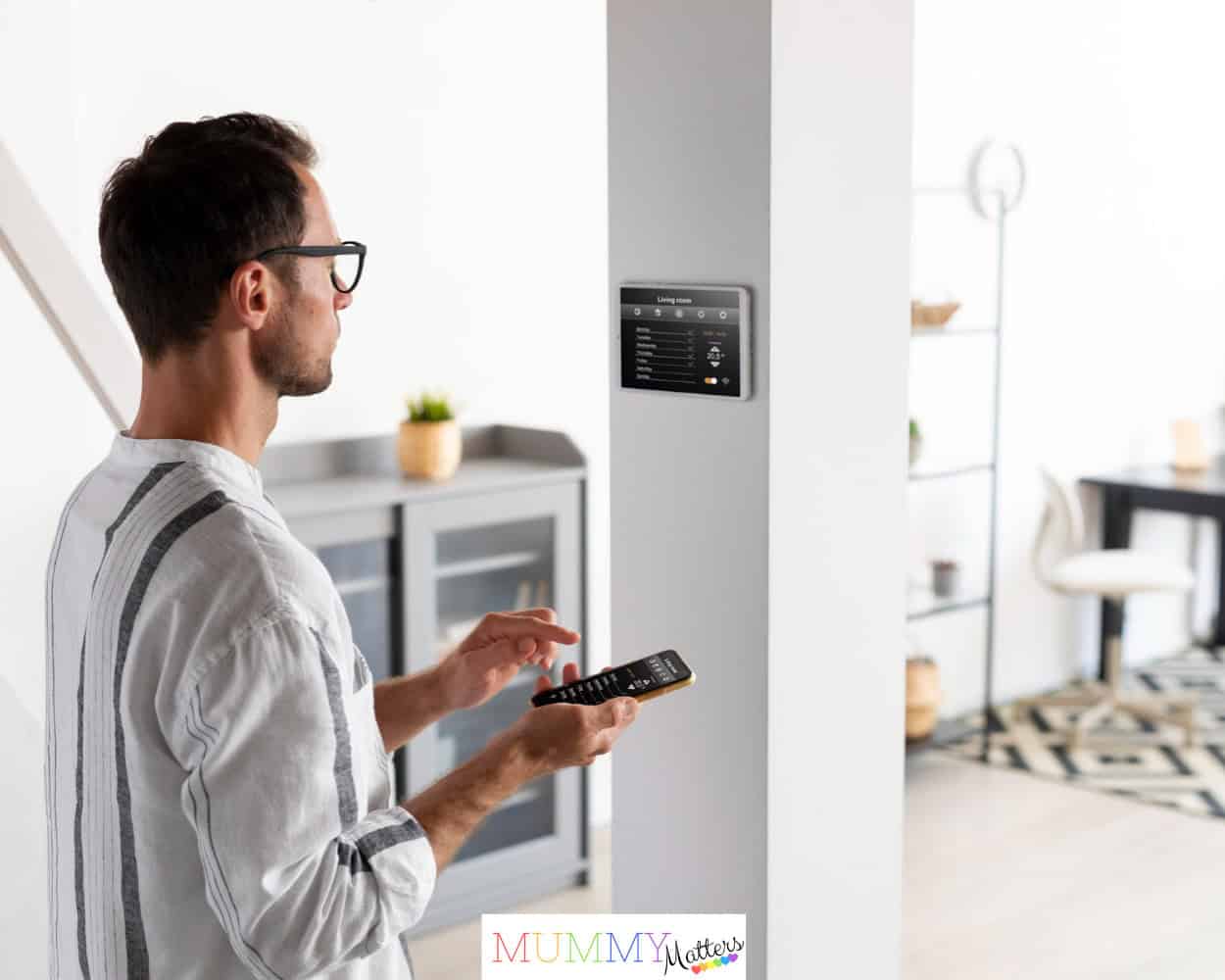
The term building alarm system can cover several different types of safety and security technology. Some buildings use individual systems for particular risks, while larger properties may have several systems working alongside one another as part of a wider building safety and security strategy.
Intruder Alarm Systems
Intruder alarms are designed to detect possible unauthorised access to a property. Depending on the system, they may use door and window contacts, motion detectors, glass-break sensors and other security devices to monitor vulnerable areas.
If the system is triggered while armed, it may activate an audible alarm, send a notification or communicate with a monitoring service, depending on how it has been configured.
Fire Alarm Systems
Fire alarm systems are designed to provide early warning of a potential fire so that people can respond and evacuate where necessary. Systems may incorporate smoke detectors, heat detectors, manual call points, audible alarms and visual warning devices.
The requirements for fire detection and alarm systems vary considerably depending on the type and use of the building, so businesses and organisations should ensure their systems meet the relevant fire-safety requirements rather than treating them in the same way as a standard security alarm.
Gas and Carbon Monoxide Alarms
Carbon monoxide alarms are designed to detect dangerous concentrations of carbon monoxide, an invisible and odourless gas that can be produced when fuels do not burn correctly. Other specialist detection equipment may be used in buildings where there is a risk from particular gases.
These devices need to be appropriate for the specific risk being monitored and positioned according to the relevant guidance and manufacturer’s instructions.
Water-Leak Detection Systems
Water-leak sensors can be installed in areas where an unnoticed leak could cause significant damage, such as near boilers, pipes, appliances, plant rooms or other vulnerable equipment.
More advanced systems may do more than simply sound an alarm. Depending on the equipment installed, they can send remote notifications or work with automatic shut-off technology to help limit water damage.
Integrated Alarm and Building Systems
Larger commercial or public buildings may use several safety, security and communication systems alongside one another. Depending on the site, this could include intruder detection, fire alarms, CCTV, access control and other building-management technology.
Integration can make it easier for authorised staff to monitor what is happening across a site, but the individual systems still need to be designed and maintained appropriately for their particular purpose.
Wired vs Wireless Building Alarm Systems
One of the decisions when choosing an alarm system is whether to use wired or wireless technology. Both can provide effective protection, but the most suitable option will depend on the building, how it is used and the type of system being installed.
Wired Alarm Systems
Wired alarm systems use physical cables to connect sensors and other devices to the control equipment. They can be particularly suitable for new builds, major renovations and larger premises where cabling can be planned as part of the building’s infrastructure.
Because the devices have physical connections, wired systems don’t rely on batteries for communication in the same way as wireless sensors. However, installation can be more disruptive in an existing property if cables need to be routed through walls, ceilings or other finished areas.
Wireless Alarm Systems
Wireless alarm systems allow compatible sensors and devices to communicate without running cables between every component. This can make them quicker and less disruptive to install, particularly in existing homes and buildings.
They can also offer greater flexibility if sensors need to be added or repositioned later. However, wireless devices may require battery maintenance, and the building’s layout, construction materials and potential sources of interference need to be considered when planning the system.
Which Is Better?
There isn’t one option that is automatically better for every building. A smaller home may have very different requirements from a large office, school or industrial site, and some installations use a combination of wired and wireless technology.
Rather than choosing solely on convenience or price, consider the size and construction of the property, the risks being monitored, reliability requirements, ongoing maintenance and whether the system may need to expand in the future.
Monitored vs Unmonitored Alarm Systems
Another consideration is what happens after an alarm is activated. Some systems simply alert the people in or responsible for the property, while others are connected to a professional monitoring service.
Unmonitored Alarm Systems
An unmonitored system typically relies on an audible alarm, local warning or notification sent directly to the property owner or another designated person. Smart security systems, for example, may send an alert to a smartphone when a sensor is triggered.
This can provide a relatively straightforward way to monitor a property, but someone still needs to receive the notification, assess what has happened and decide whether further action is required.
Monitored Alarm Systems
A professionally monitored system can transmit specified alarm signals to a monitoring centre. Trained operators then follow an agreed procedure, which may include contacting nominated keyholders or taking other appropriate action according to the type of system and monitoring arrangement.
Professional monitoring can be particularly useful for businesses and properties that are frequently unoccupied, although it usually involves ongoing monitoring fees as well as installation and maintenance costs.
Choosing Between the Two
The right approach depends on the property and the level of protection required. For a home, smartphone notifications and an audible alarm may meet the owner’s needs, while a commercial building could require a more formal monitoring and response arrangement.
Whichever option is chosen, it is worth considering what will actually happen when an alarm is triggered. Detecting a problem is only one part of an effective system; there also needs to be a clear and appropriate way to respond.
Choosing the Right Building Alarm System
Choosing an alarm system isn’t simply a matter of buying the one with the most features. The right setup should reflect the building itself, how it is used and the particular risks you are trying to manage.
Assess the Risks
Start by considering what the system actually needs to protect against. For a home, security concerns might include doors, accessible windows, garages and other potential entry points. A business or larger site may have additional considerations, such as restricted areas, valuable equipment, multiple entrances or buildings that are unoccupied outside working hours.
Fire, carbon monoxide and other safety risks should also be assessed separately so that appropriate detection and warning equipment can be selected.
Consider the Size and Layout of the Building
A small property can have very different requirements from a multi-storey office, school, warehouse or site containing several buildings. Walls, floors, outbuildings and the distances between devices can all affect how a system should be designed, particularly when wireless technology is being considered.
Think About What Happens When the Alarm Activates
Consider who needs to know about an alarm and how quickly they need to receive that information. An audible alarm may be sufficient for some situations, while others could benefit from smartphone notifications, designated keyholders or professional monitoring.
For larger organisations, the response plan may also need to consider how staff communicate and coordinate once an alert has been raised.
Consider Integration
You may want an alarm system that can work alongside other technology, such as CCTV, access control or smart-building equipment. Integration can be useful, but compatibility, reliability and the way each individual system needs to operate should be considered before combining different technologies.
Plan for Maintenance
Alarm systems need ongoing attention after installation. Depending on the equipment, this could include testing, servicing, replacing batteries, checking detectors and keeping contact details or notification settings up to date.
Following the manufacturer’s maintenance instructions and arranging professional servicing where appropriate can help ensure the system continues to operate as intended.
Check UK Requirements and Professional Standards
Requirements vary according to the type of alarm, building and how the premises are used. Fire detection and alarm arrangements in workplaces and other non-domestic premises, for example, form part of wider fire-safety responsibilities and should be considered as part of an appropriate fire risk assessment.
If you are installing a system for a business, rented property or other premises with specific safety obligations, check the current UK requirements that apply to the property and seek advice from a suitably competent professional where necessary.
For security systems, it can also be worth checking whether your insurer has particular requirements and whether the installer or monitoring provider works to recognised UK industry standards.
Frequently Asked Questions About Building Alarm Systems
Do building alarm systems work during a power cut?
Many alarm systems include a backup battery that allows them to continue operating for a period if the mains power supply is interrupted. The length of time the system can operate will depend on the equipment installed, the condition of the battery and the demands placed on the system during the outage.
Can building alarm systems be monitored remotely?
Yes, many modern alarm systems can send notifications to smartphones, tablets or computers, allowing authorised users to check the system remotely. Some systems can also be connected to professional monitoring services that provide an additional layer of oversight.
What’s the difference between a building alarm system and a fire alarm system?
A building alarm system is a broad term that can include security alarms, fire detection systems, carbon monoxide alarms and other forms of monitoring. A fire alarm system is specifically designed to detect signs of fire and provide warning so that people can respond appropriately.
How often should an alarm system be tested?
Testing requirements vary depending on the type of system, where it is installed and any applicable legal or insurance requirements. Following the manufacturer’s recommendations and any professional maintenance schedule can help ensure the system continues to operate correctly.
Can different alarm systems work together?
In many cases, yes. Security alarms, CCTV, access control systems and other building-management technology can sometimes be integrated to provide a more joined-up approach to safety and security. However, compatibility and the specific requirements of each system should always be considered during planning and installation.
Updated: September 2026