
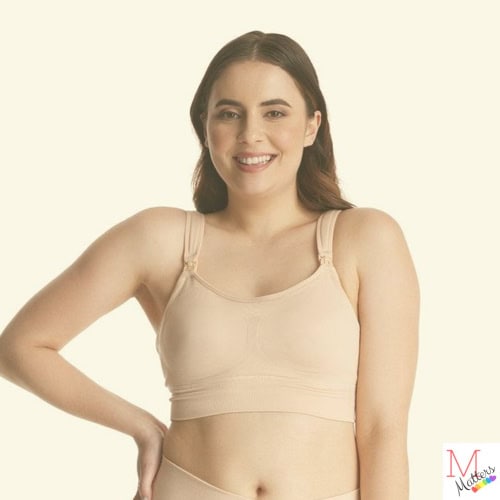
Picture this: you’re balancing a breast pump flange against your chest with one hand, cradling your fussy newborn in the crook of your arm, and desperately trying to tap your phone screen to check the pump timer—all while milk threatens to spill everywhere. It’s a scene countless new mothers know too well, and it highlights a fundamental problem in the early postpartum months. You need to pump efficiently without using your hands, yet you also need a bra that lets you nurse your baby quickly and comfortably throughout the day. The solution lies in a thoughtfully designed maternity bra that integrates pump flanges directly into its structure, turning what used to require multiple products and awkward maneuvering into one seamless experience. This guide will walk you through everything you need to know—from understanding the difference between hands-free pumping bras and standard nursing bras, to evaluating versatile 4-in-1 bra designs that promise to simplify your entire feeding routine. By the end, you’ll have the clarity and confidence to choose the perfect bra for your body and lifestyle.
Understanding Your Core Needs: Maternity Bra vs. Pumping Bra
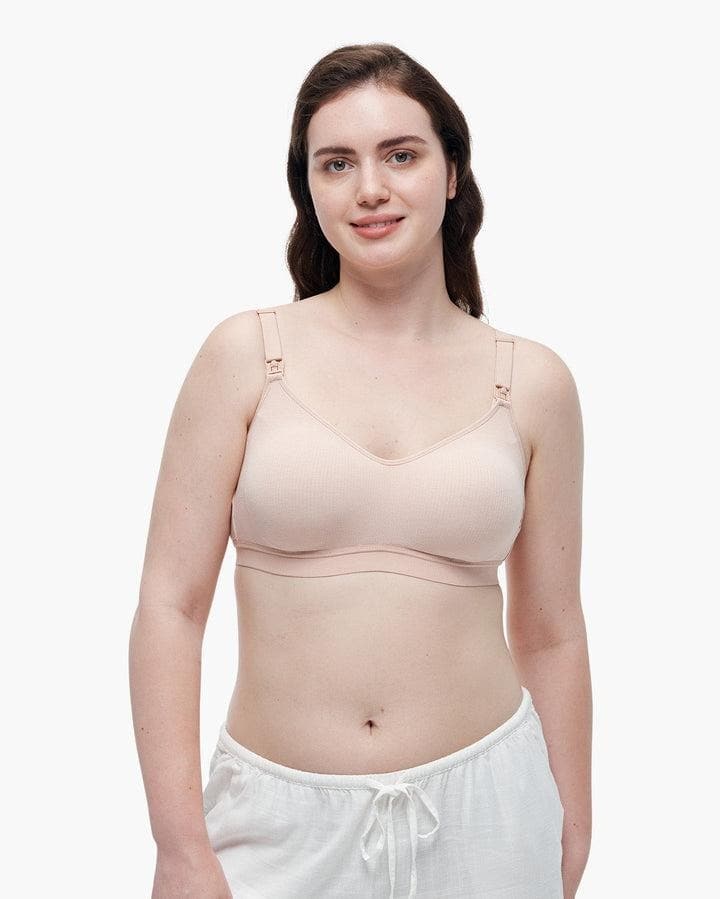
Before diving into hybrid designs, it helps to understand what each type of bra was originally built to do. A standard nursing bra is designed around one goal: giving your baby quick access to the breast. It achieves this through drop-down clips, pull-aside panels, or stretchy crossover fabric that you can move with one hand while holding your infant. Comfort and all-day wearability are its strengths, but it offers nothing to keep a pump flange pressed securely against your chest.
A hands-free pumping bra solves a completely different problem. Its structure includes reinforced openings or compression panels engineered to hold pump flanges firmly in place so you can type, eat, or tend to your baby while milk flows into collection bottles. The trade-off is that most pumping bras aren’t designed for easy breastfeeding—they lack nursing clips and often fit too snugly for comfortable extended wear.
This is precisely where the hybrid concept enters the picture. Recognizing that mothers cycle between nursing and pumping multiple times each day, designers began creating bras that merge both functions into a single garment. Understanding the distinction between feeding access and extraction support is your first step toward identifying which hybrid or integrated-flange design will genuinely simplify your routine rather than compromise on both fronts.
What is a Nursing Bra with Integrated Pump Flanges?
A nursing bra with integrated pump flanges takes the hybrid concept one step further by embedding the actual extraction hardware into the garment itself. Rather than holding a separate flange against your breast, the bra incorporates built-in flanges—typically made from hard plastic or medical-grade silicone—that sit within the cup structure and align directly over your nipple. When you’re ready to pump, you simply connect your pump’s tubing to the flange port already positioned in the bra, turn on the machine, and go about your business completely hands-free.
The appeal of this design is its radical simplification of the pumping process. You no longer need to layer a pumping bra over a nursing bra, fumble with separate wearable cups, or worry about maintaining suction while you reposition yourself. Everything is contained in one garment that you put on in the morning and wear throughout the day. For mothers who pump frequently—whether exclusively or to build a freezer stash alongside direct breastfeeding—this reduction in gear and setup time can feel genuinely transformative.
However, there are important considerations before committing to this style. Because the flanges are fixed or semi-fixed within the bra, fit precision becomes critical. A flange tunnel that’s even slightly too narrow or too wide can cause discomfort, reduce milk output, or create friction injuries over time. Additionally, many integrated-flange bras are engineered with pumping as the primary function, which means their nursing access—clip mechanisms, fabric flexibility, and overall softness—may not match the ease of a dedicated nursing bra designed purely for breastfeeding comfort during long days and nights.
Key Factors to Consider When Choosing Your Bra
Selecting the right nursing bra with pump flanges requires weighing several factors simultaneously, because a bra that excels in one area but fails in another will quickly end up abandoned in your drawer. Here’s what deserves your careful attention before you commit.
Fit and Comfort should sit at the top of your priority list. Your postpartum body is in constant flux—rib cages expand during pregnancy and gradually return, while breast size fluctuates between feedings and throughout your pumping journey. Look for bras with multiple hook-and-eye closures on the band, adjustable straps that won’t dig into swollen shoulders, and cups made from soft, stretchy fabric that accommodates engorgement without creating painful pressure points. A bra that felt perfect in the store may feel entirely different after a three-hour cluster feeding session, so prioritize materials that move with your body rather than constricting it.
Flange Compatibility and Fit is the make-or-break factor for integrated designs. Your nipple tunnel size determines whether pumping will be efficient and painless or frustrating and potentially harmful. Most women need flanges between 21mm and 28mm, but this varies significantly, and your size may even differ between breasts. Seek bras that offer interchangeable flange inserts or adjustable tunnel diameters so you can fine-tune the fit as your body changes over weeks and months of use.
Ease of Use for Nursing matters enormously when your baby is crying and hungry at two in the morning. Evaluate how quickly you can transition from pumping mode to breastfeeding mode—does the bra require disconnecting multiple components, or can you simply unclip a panel and latch your baby within seconds? The best designs offer one-handed nursing access that feels intuitive even in the dark. Support and Security also deserve scrutiny, particularly for mothers with larger cup sizes. The bra must hold flanges firmly enough to maintain suction even when you lean forward to pick up your toddler or reach across the table, without relying on compression so tight it restricts milk flow. Finally, Material and Breathability directly impacts your skin health during extended wear. Moisture-wicking fabrics prevent the warm, damp environment that leads to yeast infections or irritated nipples, and seamless construction reduces friction against already sensitive tissue.
Step-by-Step Guide to Finding the Perfect Fit
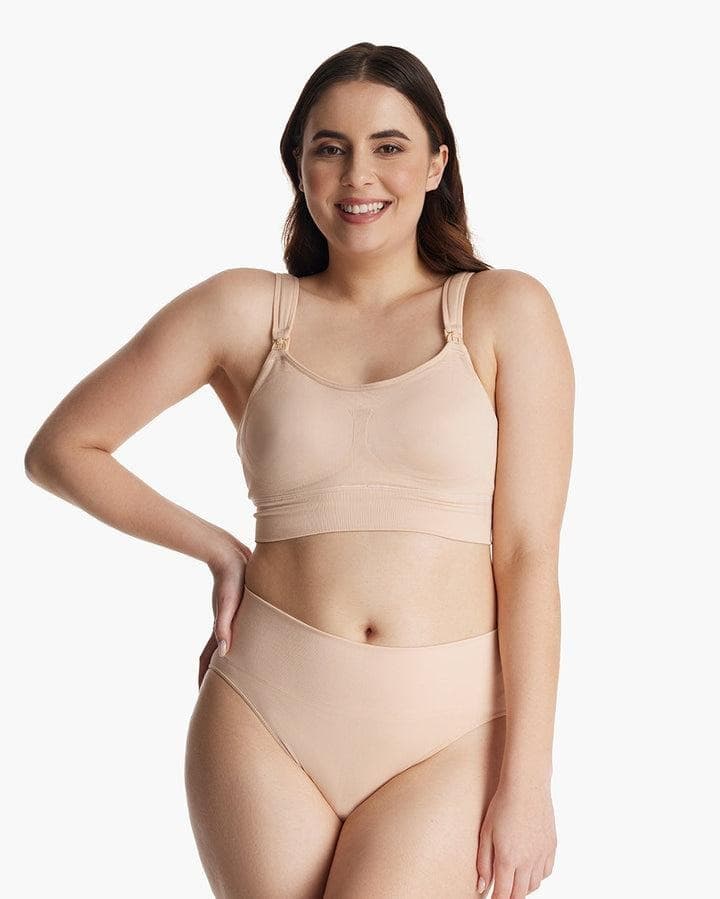
Step 1: Get Professionally Measured. Schedule a fitting at least two to three weeks postpartum, once your milk supply begins to regulate. Your rib cage measurement and cup size will differ substantially from your pregnancy measurements, and even from your immediate post-delivery size. Many lactation consultants offer bra fitting guidance alongside their breastfeeding support, which gives you expert input tailored to nursing anatomy.
Step 2: Prioritize Comfort Features. Once you know your measurements, narrow your options by examining construction details that determine all-day wearability. Seamless edges prevent chafing under clothing, a soft brushed lining protects sensitive nipple tissue between sessions, and multiple rows of adjustable back hooks allow you to customize the band as your body changes week to week.
Step 3: Test the Flange Function. Before purchasing, research whether the integrated flange tunnel matches your measured nipple diameter. Many brands publish detailed sizing guides with printable rulers, and online communities often share candid reviews about how specific models perform during actual pumping sessions. If you can try the bra in person, simulate attaching tubing and confirm that the seal feels secure without requiring you to press or adjust.
Step 4: Evaluate the Nursing Access. Practice the clip or pull-aside mechanism with one hand. Time yourself—if it takes more than two or three seconds to expose the breast, you’ll find it frustrating during urgent feeds. The clasp should release smoothly but not so easily that it pops open during movement.
Step 5: Consider Your Daily Routine. If you pump at work and nurse at home, you might benefit from a dedicated 4-in-1 bra that transitions seamlessly between sleeping, everyday support, nursing, and pumping without requiring a wardrobe change. Alternatively, if you pump only once or twice daily, a convertible nursing bra with an attachable pumping panel might serve you better than a fully integrated design that prioritizes extraction over softness.
Exploring Popular Styles: From Hands-Free Bras to 4-in-1 Designs
The market offers several distinct approaches to combining pumping and nursing functionality, and understanding each category helps you identify which design philosophy aligns with your daily reality. Dedicated hands-free pumping bras represent the most established option—these are standalone garments with reinforced openings sized to grip your existing pump flanges securely. Their advantage lies in versatility, since they work with virtually any flange brand and size you already own. The downside is that they function as an additional layer, meaning you either wear them over your nursing bra or swap between garments multiple times daily.
Nursing bras with pumping accessories take a modular approach. These start as comfortable, clip-down nursing bras but include detachable pumping panels or conversion clips that transform them into hands-free extraction support when needed. This style works well for mothers who nurse primarily but pump once or twice during the workday, since the base garment prioritizes softness and breastfeeding access while the add-on component provides pumping stability only when required.
The all-in-one pumping and nursing bra with integrated flanges—the central focus of this guide—eliminates modularity entirely by building extraction hardware directly into the cup. Brands like Momcozy have gained popularity in this space by designing bras that suit mothers who pump frequently and want zero transition time between modes. Finally, the 4-in-1 maternity bra represents the ultimate versatility play: a single garment engineered to serve as a sleep bra for overnight comfort, an everyday nursing bra with one-handed access, a hands-free pumping bra with secure flange support, and a light-support bra for errands or lounging. This style appeals most to mothers seeking maximum wardrobe simplification and value—those who want to purchase fewer garments while covering every feeding scenario from dawn through midnight without changing.
Finding the Right Nursing and Pumping Bra for Your Lifestyle
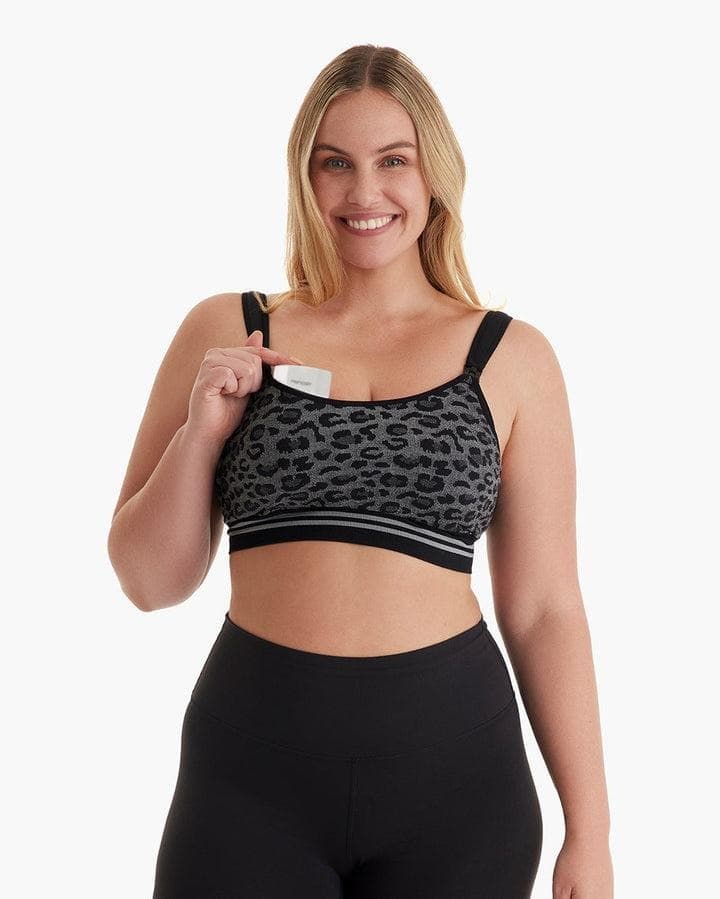
Navigating the world of nursing and pumping gear can feel overwhelming during a time when you’re already stretched thin, but understanding the landscape makes the decision far more manageable. You’ve seen how standard nursing bras and hands-free pumping bras serve fundamentally different purposes, and how integrated-flange designs and versatile 4-in-1 styles attempt to bridge that gap in a single garment. The truth is, the best maternity bra for you isn’t the one with the most features or the highest reviews—it’s the one that solves your specific daily frustrations. Maybe that means an all-in-one bra with built-in pump flanges because you express milk six times a day, or perhaps a convertible nursing bra with a detachable pumping panel better suits your twice-daily schedule. Whatever you choose, prioritize precise flange fit to protect your body, demand comfort that lasts through marathon feeding days, and insist on nursing access that works seamlessly when your hungry baby won’t wait. You deserve tools that work as hard as you do—and with the right information guiding your choice, hands-free pumping and effortless nursing become not just possible, but genuinely empowering parts of your feeding journey.