
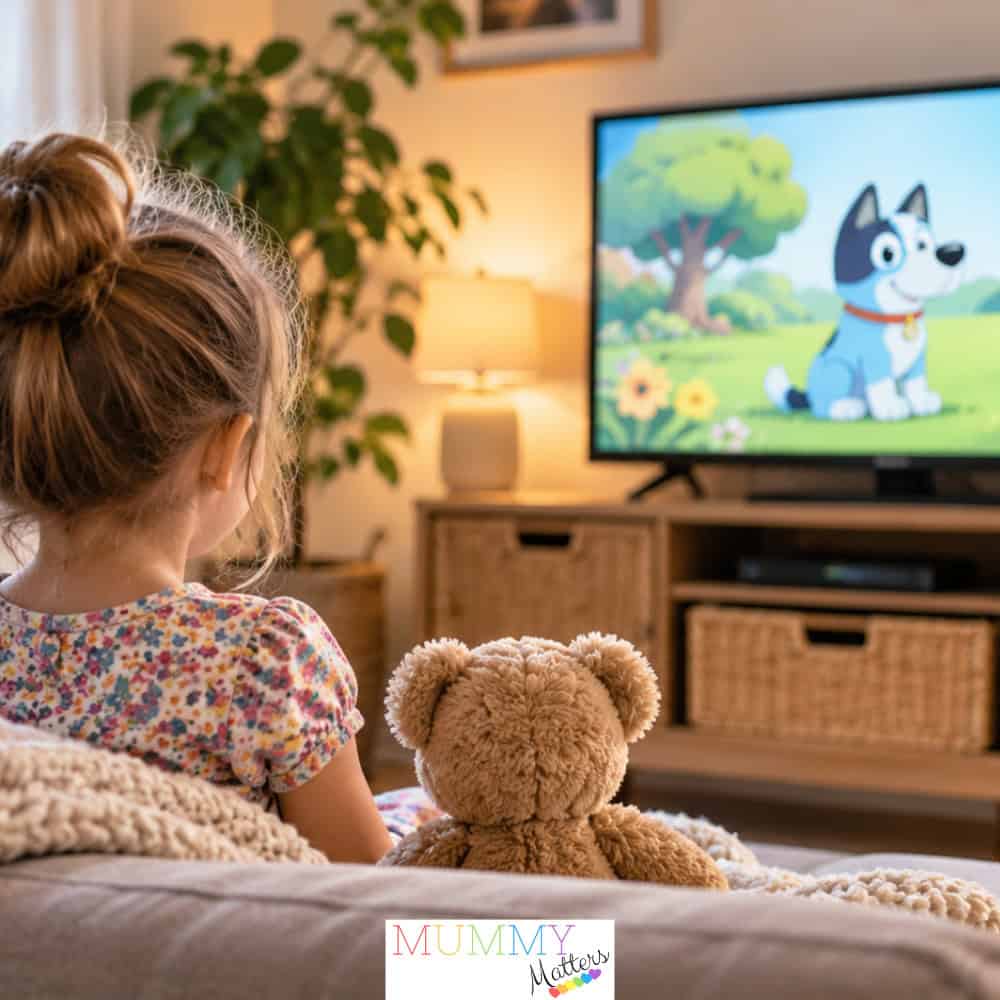
Gentle cartoons can give young children a calmer viewing experience, but no single type of program can guarantee a stronger attention span. Attention develops through sleep, movement, conversation, play and everyday practice, as well as media habits. Still, a show’s pace and design may affect how easily a child follows the story and how they behave when the screen goes off.
For parents, the useful question is less about finding a perfect program and more about choosing content that suits a child’s age, temperament and stage of development.
The Science of Scene Pacing
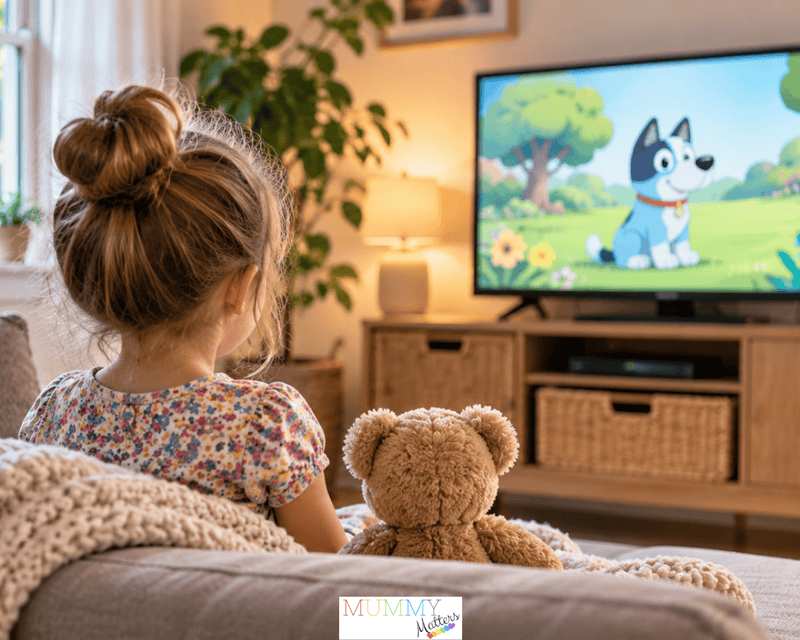
Scene pacing describes how frequently a program changes shots, settings, sounds or visual elements. A gentle cartoon may hold one shot long enough for a character to complete an action, react and explain what happened. Faster programs can introduce several changes within the same period.
The evidence doesn’t support a simple claim that quick cuts permanently damage attention. Children’s responses vary, and researchers still need longer-term studies that separate media effects from sleep, family routines and other factors. A helpful overview of attention and media use explains that content, context and individual differences all matter.
Parents can watch one episode alongside their child and count how often the setting changes. Notice whether the story leaves time for your child to predict an outcome or comment on what they see.
How Visual Velocity Affects Young Minds
Visual velocity includes cuts, camera movement, flashing graphics, sound effects and the amount of information arriving at once. Preschoolers are still learning to filter distractions, remember instructions and connect one event to the next. A busy program may hold their gaze, giving them little time to process the story, which is a common parenting challenge in a digital world.
That intense focus can look like sustained attention, though it may partly reflect repeated novelty. Afterwards, some children shift easily to play while others become restless or ask for more episodes.
Parents comparing programs can use Calm Shows (Good for Toddlers and Preschoolers) as a data-based starting point for reviewing stimulation levels. Then test the fit at home. If your child can retell a simple event, accept that the episode has ended and move into another activity; the pace may be manageable for them.
Finding Thoughtful Screen Alternatives
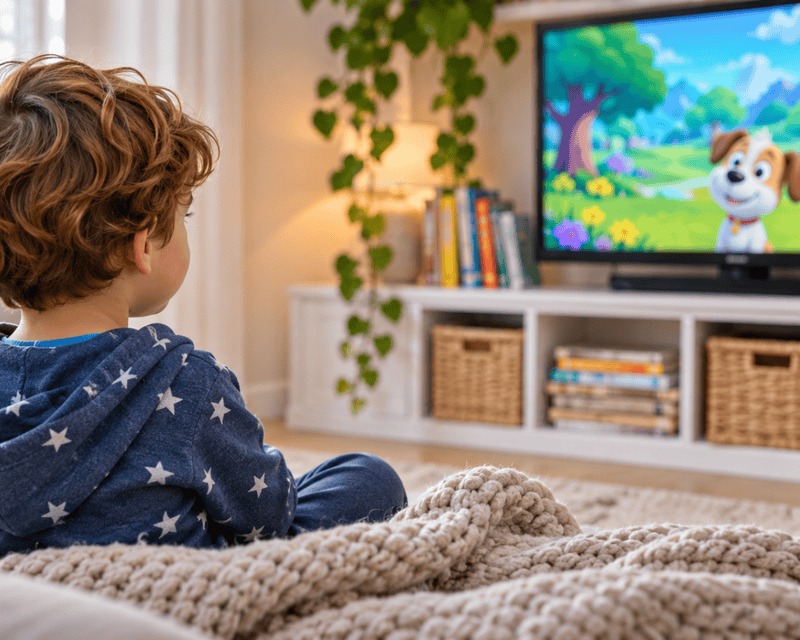
A slower screen doesn’t have to mean a cartoon. Programs showing cooking, drawing, nature, building or quiet everyday routines can let children observe a process from beginning to end. Coverage of the slow TV movement also reflects growing interest in children’s programming with fewer rapid edits and less sensory intensity.
Choose alternatives based on what happens after viewing. A ten-minute animal video might lead to drawing paw prints, while a simple craft demonstration could inspire an afternoon activity. Audiobooks, music, puzzles, and pretend play offer other gentle options when your child needs a break from screens.
Transitions matter too. Give a five-minute warning, stop at the end of an episode and suggest one specific next activity. “Let’s build the house we saw” is easier to follow than a vague instruction to go and play.
Building Lifelong Media Literacy
Media literacy can begin well before a child can read. During a program, ask simple questions such as “How does that character feel?” or “What do you think will happen next?” These prompts encourage children to process the story instead of absorbing a stream of images without reflection.
As children grow, talk about why programs use exciting music, bright colors and cliffhangers. Explain that autoplay is designed to keep the next episode moving and let them practice turning it off themselves. Older children can compare two versions of the same story and discuss which one was easier to understand.
Gentle cartoons are one useful part of a balanced routine, not a protective shield around developing attention. The clearest sign of a good fit appears after the credits, when your child can talk about what they watched and carry an idea from the screen into calm, creative play.