When you’re running a small business, getting your name out there can be one of the biggest challenges, particularly when you don’t have a huge marketing budget to play with. Social media is great, of course, but there’s still something to be said for good old-fashioned promotional merchandise.
Think about the last time you visited a craft fair, charity event or local market. Chances are you’ll have come across businesses giving away little promotional items to help people remember them. Some are more useful than others, but when something catches your eye, you’re far more likely to hang on to it.
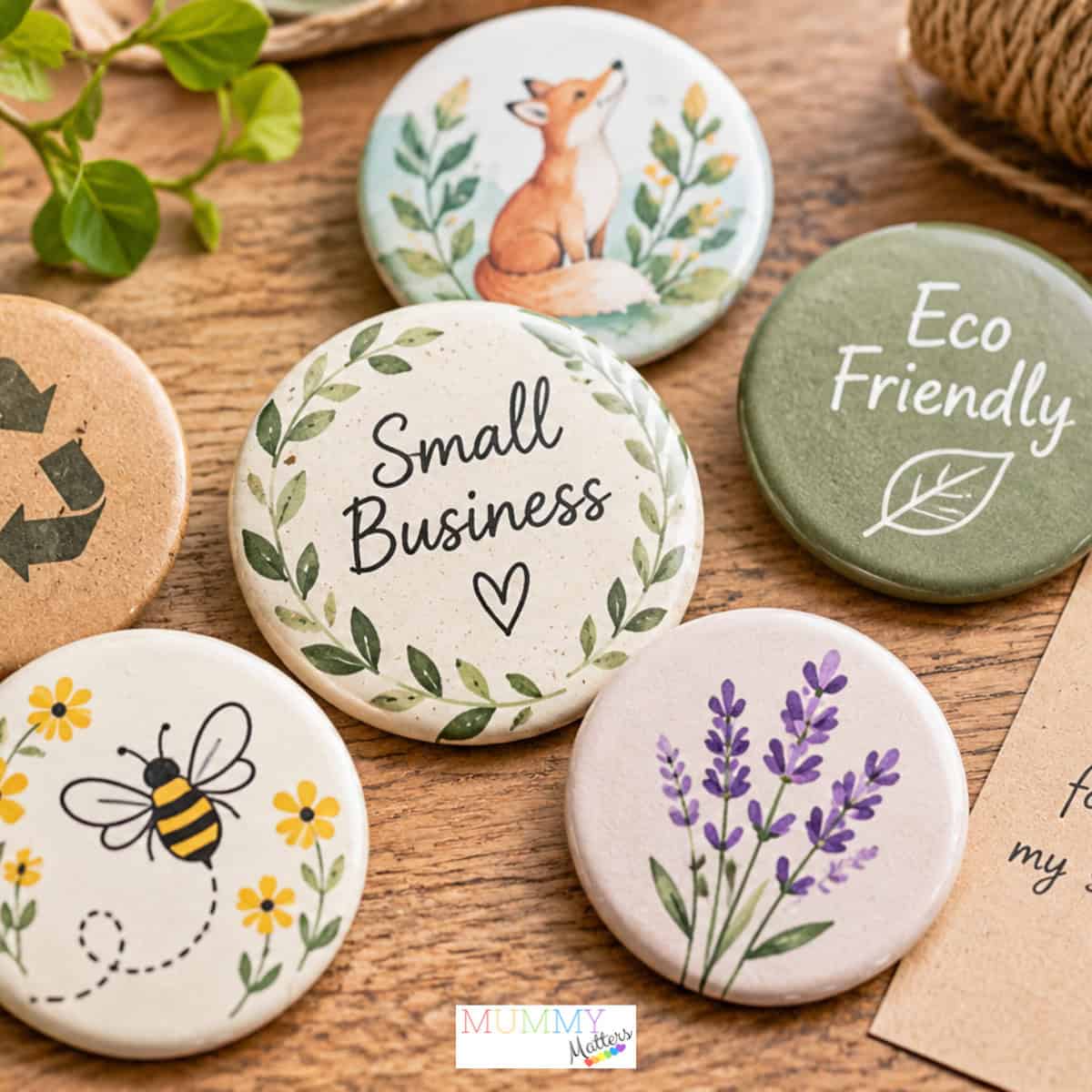
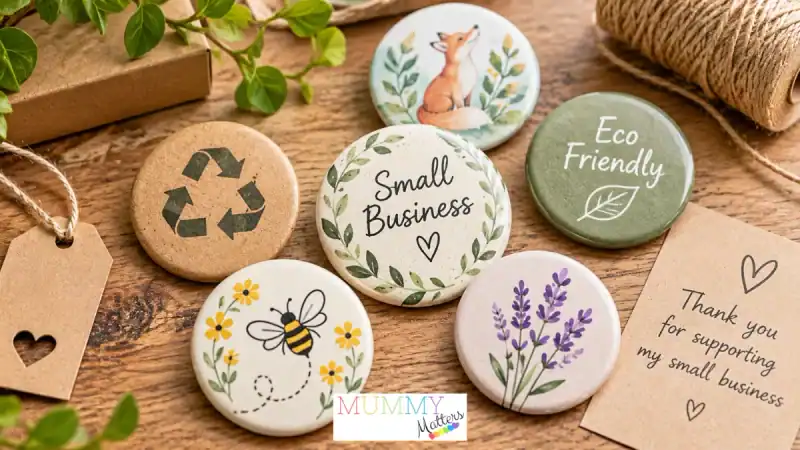
Custom eco badges are one of those small promotional products that can work surprisingly well. They’re affordable, easy to personalise and, with a little thought about the materials you choose, can be a more considered alternative to some traditional giveaways.
Why Badges Can Work for Small Businesses
One of the nice things about badges is that they don’t have to feel like advertising.
A pretty illustration, a funny little slogan or a design that reflects what your business is about can be enough to make someone want to pin one to their jacket or bag. Every time they wear it, your business gets a little extra exposure without you having to do anything else.
I think this is particularly relevant for independent businesses and people who sell handmade products. If you’ve spent time creating a lovely brand, whether that’s jewellery, candles, children’s clothing or something completely different, it’s nice to have promotional materials that reflect the same care and attention.
Badges can also be a relatively inexpensive addition to your packaging or something to give away at events. Of course, the trick is making sure people actually want them. There’s not much point ordering hundreds of promotional items if they’re only going to end up in the bin.
Choosing Materials That Make Sense
If you’re trying to make more environmentally conscious decisions within your business, the materials used to make your badges are a good place to start.
There are quite a few options available now, including badges made using recycled materials, responsibly sourced wood and biodegradable components. Each has its own advantages, although it’s worth looking into exactly what you’re buying rather than relying on the word ‘eco’ in a product description.
For example, you might come across a biodegradable badge from Rocket Badge when researching alternatives to conventional promotional badges.
Before placing an order, I’d want to know a little more about what the badge is made from. Does the biodegradable claim apply to the whole badge or just part of it? What about the pin on the back? And does it need particular conditions to break down?
These might seem like small details, but they’re worth checking, especially if you’re planning to promote your business as environmentally conscious.
It’s also worth remembering that something designed to last can sometimes be a better choice than something intended to be thrown away. If you’re buying badges for staff to wear at events, for instance, choosing a durable design that can be used time and time again could make more sense.
Make Your Badges Something People Will Want to Keep
This is probably my favourite part because you can have a bit of fun with the design.
You don’t necessarily have to put your business logo front and centre, although it should still be recognisable as part of your brand.
Imagine a small bookshop creating badges with cute reading-related illustrations or a florist using beautiful botanical designs. A children’s clothing business could create something colourful and playful, while a handmade jewellery brand might prefer something a little more understated.
The important thing is to think about the people who will be receiving them.
Would they actually wear the badge? Would they pop it on their bag? Is it something they’d be happy to take home?
I’d also keep the wording to a minimum. A badge is only small, and trying to squeeze in your business name, website, slogan and several other details will probably leave you with something nobody can read.
If you’re including a message about sustainability, keep that simple too. Rather than making sweeping claims about being ‘100% green’, stick to something specific that you can back up.
A Few Ways to Use Custom Badges
If you attend local markets or craft fairs, badges could be a lovely little extra to include with purchases. You might even create a special design for a seasonal event or product launch.
They’re also useful for charity fundraisers, community groups and small business exhibitions, where they can help people feel involved and give them something to remember the occasion by.
Another idea is to create a badge that ties in with your packaging. If someone has bought a handmade gift, for example, finding a little matching badge tucked inside could be a nice surprise.
Just be careful not to get carried away with ordering too many. I know how tempting it can be to choose the larger quantity when the price per item works out cheaper, but it’s only a saving if you’re actually going to use them.
If you’re unsure how popular a design will be, starting with a smaller order might be the sensible option. It’s also worth asking for a sample before committing to a large batch so you can check the colours, finish and overall quality.
Don’t Forget About the Packaging
Something that’s easy to overlook when ordering promotional merchandise is how it arrives.
You might have chosen badges made from more sustainable materials, only to find that every single one is wrapped in its own plastic bag.
It’s worth asking suppliers whether they offer simpler packaging or can send badges together rather than individually wrapped.
I’d also think about whether the design will still be relevant in a year’s time. Unless you’re creating something specifically for an event, avoiding dates and temporary messages means you can use any leftover badges later rather than having to order new ones.
These aren’t huge changes, but they’re sensible ways to avoid unnecessary waste.
Be Careful What You Claim
It’s lovely to see more small businesses thinking about their environmental impact, but I do think there’s a danger of getting caught up in all the marketing language.
Words such as ‘green’, ‘sustainable’ and ‘eco-friendly’ are used so frequently that it can be difficult to know what they actually mean.
If you’re telling customers that your badges contain recycled materials or are biodegradable, make sure you have information from the manufacturer to support those claims.
The UK’s Green Claims Code is worth reading if you’re unsure about the wording you can use in your marketing.
You don’t need to make grand promises about saving the planet. Being clear about the choices you’ve made and why you’ve made them is much more useful to customers.
Final Thoughts
I like the idea of promotional products that people actually want to keep, rather than the usual bits and pieces that get handed out at events and forgotten about by the time you get home.
Custom eco badges won’t transform your marketing overnight, but they could be a nice addition to the way you promote your business, especially if you attend events or enjoy adding little personal touches to customer orders.
Choose a design that feels right for your brand, check the materials carefully and don’t order more than you’re likely to need.
Sometimes it’s the smaller details that help people remember a business, and a thoughtfully designed badge could be one of them.