

Creating an outdoor space that’s both fun for children and manageable for adults can feel like a balancing act. Between the hustle of daily routines, safety concerns, and the desire for aesthetic charm, families often find themselves compromising. But the right garden layout and features can deliver a flexible, inviting space that supports play and relaxation without constant upkeep.
Thoughtful design can transform any outdoor space into a family-friendly haven. Whether you’re working with a small yard or a more generous garden, it’s possible to build a practical, beautiful environment that evolves alongside your family’s changing needs.
Creating Safe Play Zones That Grow With Your Children
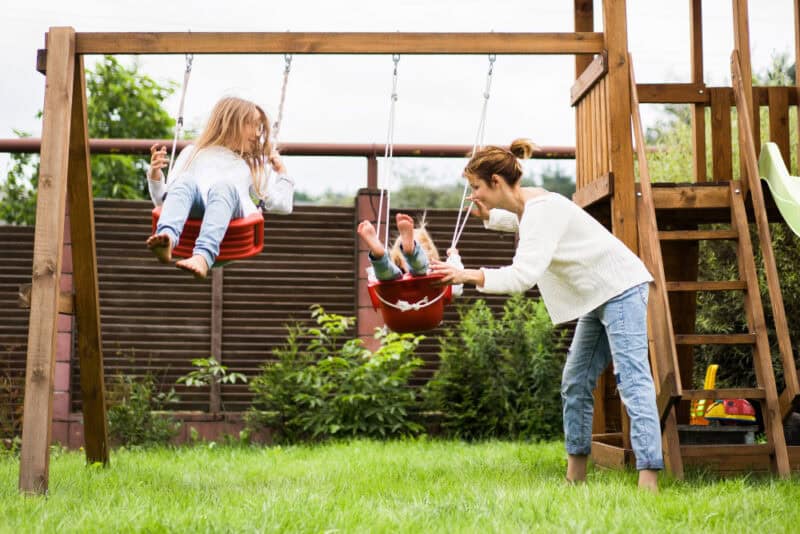
Separating your garden into distinct zones can make the space feel organised and inclusive. A defined play area helps children engage safely in physical activity while allowing adults to enjoy calmer spaces nearby. Zoning supports a multi-purpose garden that doesn’t feel cluttered or chaotic.
Soft surface materials like bark or rubber mulch reduce the risk of injury, and toy storage can be integrated into the design to keep the area tidy. For those aiming to create a more eco-conscious and safe play space, you can discover premium landscaping supplies, from AHS, that include peat-free alternatives ideal for child-friendly zones.
With toddlers, focus on creating sheltered corners and low-level features that invite exploration. As children grow, climbing frames or imaginative play structures can replace toddler toys, allowing the space to mature without a full redesign.
Pathways linking different zones also serve a practical purpose. Stepping stones, artificial grass, or gravel routes can reduce mess while guiding foot traffic between the play area and adult seating. This encourages children to explore while maintaining a sense of order.
Low-Maintenance Safety Surfacing Options
When selecting surface materials for play areas, it’s essential to consider both safety and maintenance. Bark chips offer a soft, natural look and provide decent cushioning, though they need to be topped up regularly. Rubber mulch made from recycled materials is longer-lasting and stays in place even during energetic play.
Each option comes with its care routine. Bark benefits from a biannual refresh and occasional raking to maintain even coverage. Rubber mulch requires less intervention, making it well-suited for families who want durable, low-effort solutions.
Artificial grass is another viable alternative, especially in high-traffic spots. It remains green year-round, doesn’t get muddy, and only needs brushing and light cleaning to keep it fresh. When installing any surfacing, begin with thorough ground preparation: remove weeds, level the surface, and lay down a weed membrane for best results.
Wildlife-Friendly Features That Fascinate Children
Adding elements that encourage wildlife can spark curiosity and create magical moments for children. Small bug hotels built from natural materials like wood, bark, and pinecones offer a refuge for insects and a talking point during garden time.
Plant choices make a big difference. Opt for varieties that are safe for children yet appealing to wildlife—lavender, buddleia, and wildflowers are excellent options. They attract pollinators without introducing hazards.
Creating dedicated wildlife viewing spots helps children enjoy the experience without disrupting habitats. A bench or stepping stone area provides a safe space for observing birds or insects. Keep feeders and insect-friendly plants in view from windows so the connection to nature continues indoors on rainy days.
Edible Gardens That Children Will Actually Help Maintain
A garden that produces food offers more than just homegrown treats—it teaches children about patience, responsibility, and the value of effort. Fast-growing vegetables such as radishes and peas are great choices, offering results in just a few weeks.
If space is limited, container gardening works well. Tomatoes, herbs, and salad leaves thrive in pots, and hanging baskets can hold strawberries within reach for little hands. Window boxes are also ideal for herbs and small salad crops.
Make gardening seasonal to keep interest high throughout the year. Spring invites sowing activities, while summer focuses on watering and tending. Autumn becomes a time for harvest and preparation, with children helping to clear spent plants and plan next year’s layout.
Even during winter, your garden can be a hub of activity. Planning new projects, decorating plant markers, or sketching planting layouts offer indoor ways to stay connected to outdoor learning.
Weather-Proof Garden Solutions For Year-Round Play
Unpredictable weather is no reason to abandon the garden. Install a canopy or pergola with waterproof fabric to create a sheltered space for crafts, snacks, or games. This area works well near the house, providing quick access when the skies turn grey.
Practical design features make daily life easier. For example, you can lay down mud-resistant paths using artificial grass or gravel to keep mess out of the home. These routes are especially helpful between play zones, seating areas, and doors.
Add seasonal touches that evolve with the months. Bulbs for spring, perennials for summer, vibrant foliage for autumn, and evergreens for winter create interest throughout the year. Fun extras like solar lights or wind chimes bring sensory joy that children will remember.
Clever storage solutions make garden toys and tools easy to manage. Weatherproof boxes with seating lids offer a dual-purpose function. Wall-mounted hooks or under-bench storage options work well for keeping things tidy without taking up too much space.
Time-Saving Garden Design For Overwhelmed Parents
For parents with limited time, efficiency is key. Choose plants that thrive with minimal intervention. Perennials like geraniums, ornamental grasses, and lavender require less maintenance and return yearly without replanting. Ground cover plants reduce weeding and lock in moisture.
Layout choices can also ease the workload. Raised beds with built-in irrigation allow for less bending and quicker watering. Group containers together to save time when tending plants. Mulching with gravel or bark helps to retain moisture and cut back on weeds.
Technology offers a helping hand, too. Automatic irrigation systems, particularly those with timers, reduce the need for daily watering. These systems keep gardens looking healthy even during holidays or busy periods.
Consider adding motion-sensor lights to increase safety and reduce stress during evening play. Children can move between zones confidently, and parents won’t need to supervise every step after the sun goes down.
Family-Friendly Garden Projects For Weekend Bonding
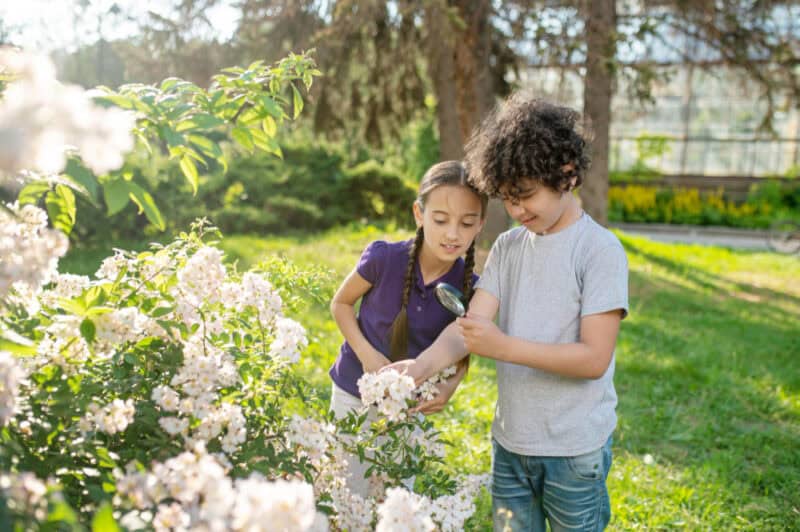
Gardening can bring the whole family together. Choose weekend projects that are achievable, fun, and add value to the space. A small raised bed filled with peat-free compost offers a great opportunity for children to learn about growing their own food. Let them choose what to plant, then help with watering and care.
Using recycled materials to build a bug hotel or a wildlife corner encourages outdoor learning. Use natural finds such as twigs, pinecones, and stones to create insect habitats, and plant hardy flowers nearby to attract pollinators.
Recycled crafts like bird feeders made from bottles are another great option. Plant wildflowers beneath them to create a mini pollinator patch. Children take pride in these hands-on creations and get to see wildlife enjoying their work.
Painting flowerpots is another favourite. Use weatherproof paint so the designs last through all seasons. These personalised pots add a pop of colour and make the garden feel truly shared by the whole family.
A Garden That Grows With Your Family
Creating a child-friendly garden doesn’t mean sacrificing style or taking on constant maintenance. Through thoughtful zoning, safe surfacing, engaging wildlife features, and easy-care plants, your garden can become a year-round retreat for the entire family.
With just a few mindful decisions, you’ll have an outdoor space that works for everyone, season after season.