
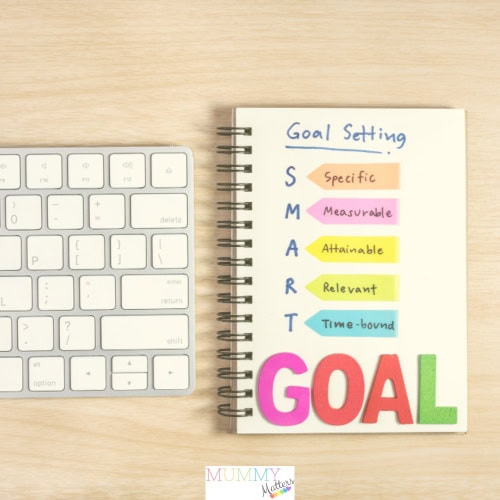
Big goals have a strange effect on the brain. They look exciting from far away, but the closer you get, the heavier they feel. Instead of motivating action, they can trigger avoidance. A different way to approach big goals is to stop treating them as achievements and start treating them as logistics. Not dreams, not pressure, just a sequence of manageable moves that need to be scheduled and completed.
When you view goals this way, progress stops being emotional and starts being practical. You are not asking yourself to change your whole life. You are asking yourself to complete one small task and then line up the next one.
This approach is especially helpful when goals feel tied to stress or urgency. Financial recovery, business growth, health changes, or career pivots can feel overwhelming because the stakes feel high. For example, a business owner facing cash flow issues may feel paralyzed by the size of the problem. Breaking the situation down into steps, such as reviewing expenses, speaking with advisors, or learning about options like business debt relief, turns a frightening goal into a series of concrete actions. You move from fear to forward motion.
Why Big Goals Overload The System

One reason big goals stall progress is that they lack clear starting points. “Grow the business,” “get healthier,” or “fix finances” are directions, not actions. The brain prefers clarity. When it does not see a clear next move, it delays.
Small steps solve this problem by reducing cognitive load. Instead of holding the entire goal in your head, you focus on one piece at a time. That focus lowers stress and increases follow through.
This is not about lowering standards. It is about matching the size of the task to your current capacity.
Momentum Is Built, Not Discovered
People often wait to feel motivated before acting. In reality, motivation usually follows action. Small steps create momentum because they provide quick feedback. You complete something. You see progress. Your confidence increases.
That sense of movement matters. It turns abstract goals into lived experience. Each completed step becomes proof that progress is possible.
Psychological research supports this idea. According to the American Psychological Association, breaking tasks into smaller components increases self-efficacy and reduces procrastination. Their resources on behavior change explain how achievable actions help sustain motivation over time.
Start With the First Small Step Only
A common mistake is trying to plan every step at once. That often leads to overthinking and delay. A more effective strategy is to identify only the first small step.
The first step should be specific, low effort, and clearly defined. Not “work on the plan,” but “open the document and write three bullet points.” Not “improve finances,” but “review last month’s expenses for ten minutes.”
Once the first step is complete, you decide the next one. This rolling approach keeps planning proportional to progress.
Planning When to Act Is as Important as What to Do
Small steps work best when they are scheduled. Vague intentions are easy to postpone. Specific plans are easier to keep. Decide when and where you will complete each step. Attach it to an existing routine if possible. This reduces decision fatigue and increases consistency. For example, instead of saying you will work on a goal sometime this week, decide that you will spend fifteen minutes on it after lunch on Tuesday. That clarity turns intention into action.
Adjusting Steps Without Losing Direction
Breaking down goals does not mean locking yourself into a rigid plan. Flexibility is part of the process. As you complete steps, you gain new information. Some actions will be easier than expected. Others may reveal obstacles you did not anticipate. Adjusting steps based on this feedback is not failure. It is refinement. This approach keeps goals realistic and responsive. You stay engaged rather than discouraged.
Habit Formation Happens in Small Wins
One of the hidden benefits of small steps is habit formation. When actions are manageable, repetition becomes easier. Over time, these repeated actions become routines. Habits reduce the need for constant motivation. They make progress feel normal rather than effortful.
Health experts often emphasize this principle. The Mayo Clinic discusses how small, consistent behavior changes are more likely to stick than dramatic overhauls. Their guidance on building sustainable habits highlights the power of incremental progress.
Breaking Emotional Goals into Practical Actions
Some goals feel overwhelming because they are emotionally loaded. Confidence, balance, or success can feel vague and personal. The key is translating emotional goals into practical behaviors. Confidence might involve speaking up once in a meeting. Balance might involve setting one boundary this week. Success might involve completing a single task that supports long term growth. When emotions are attached to goals, small steps provide grounding. They give you something tangible to do when feelings are uncertain.
Tracking Progress Without Obsessing
Tracking small steps helps reinforce momentum, but it does not need to be complex. A simple checklist or note can be enough. The goal of tracking is awareness, not pressure. Seeing completed steps reminds you that progress is happening, even when the larger goal still feels far away. Avoid turning tracking into another source of stress. Keep it simple and supportive.
Small Steps Build Trust in Yourself
One of the most important outcomes of breaking down big goals is trust. Each completed step builds confidence in your ability to follow through. This trust carries into future goals. You stop seeing yourself as someone who starts big things and gets stuck. You become someone who moves forward, one step at a time.
Breaking down big goals into small steps is not about shrinking ambition. It is about creating a path you can actually walk. When goals feel manageable, action becomes consistent. When action becomes consistent, results follow. Progress stops feeling overwhelming and starts feeling possible, one small step at a time.