

The search for a family home often starts with a simple checklist: bedrooms, bathrooms, and a garden. But finding somewhere that feels like home requires you to look beyond the listing. Consider the neighbourhood, how the property suits your routine, and whether it can adapt as your family changes.
Prioritising Family Needs

Before you start scrolling, work out what you really need. A floor plan that looks impressive in photos may not suit your routine. Young children may benefit from open-plan living, while older children may need separate bedrooms or quiet areas for homework.
Pay attention to practical details:
- Storage: Make sure there’s room for prams, school bags, sports equipment, and toys. Built-in wardrobes and useful utility rooms can help.
- Layout: Picture your routine. Is there somewhere for muddy boots and wet coats? Is the utility room convenient?
- Outdoor space: Check whether the garden is secure and practical. A small, fenced courtyard may work better than a large garden requiring constant upkeep.
The search can become exhausting, particularly in a competitive rental market where desirable properties can disappear quickly. If you’re struggling to match your requirements with the available rentals, a renter’s agent can take some of the pressure off. Services such as Urban Renters can search on your behalf, arrange inspections, and handle negotiations to help you find a property that suits your family. That gives you more time to think about whether the home works for your plans rather than constantly refreshing property listings.
Checking Out Neighbourhoods
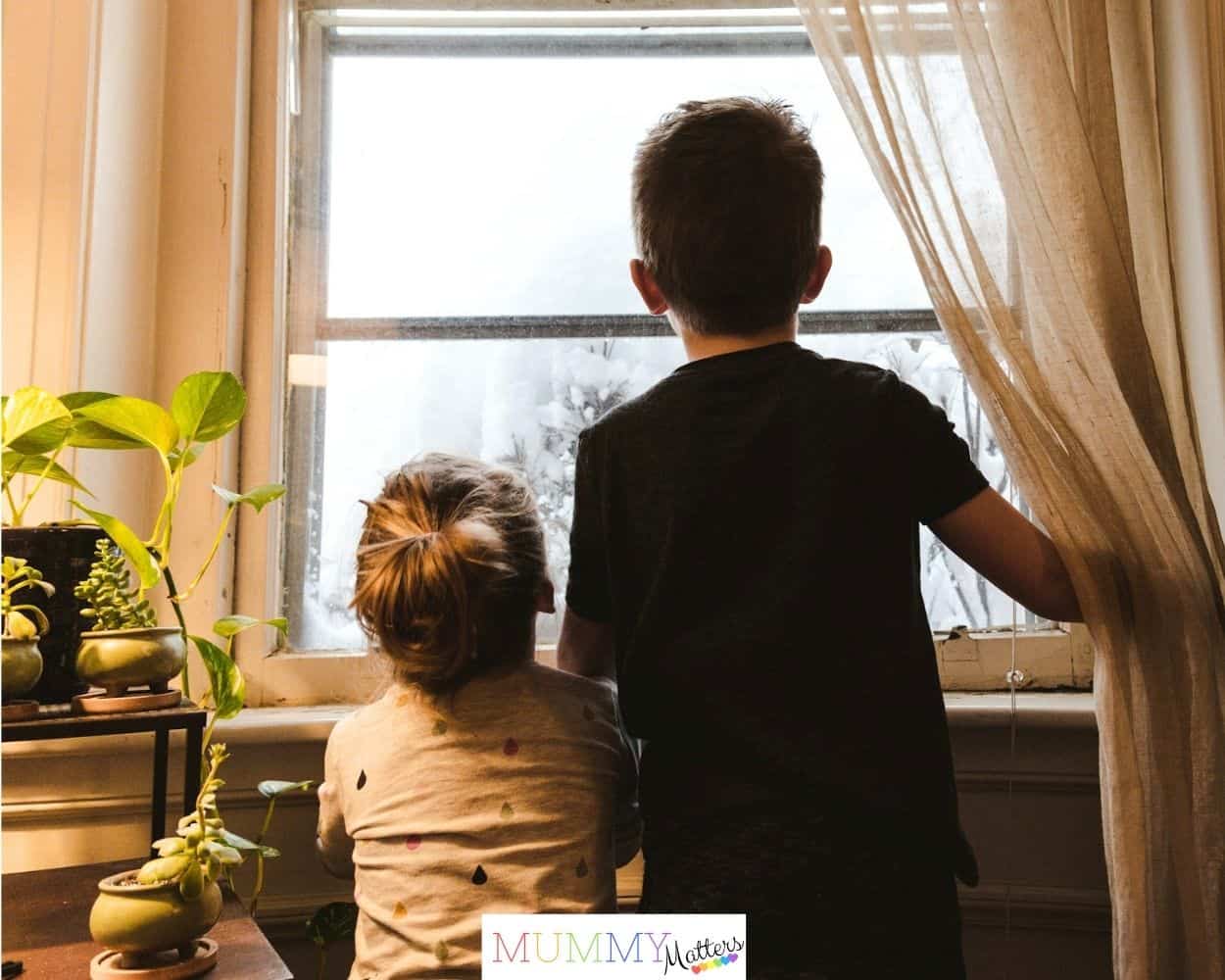
A great house in the wrong neighbourhood can be a poor fit. Visit at different times to see how the area really feels, including traffic, noise, and how busy the streets become.
Think about the places you’ll use regularly. How long will your commute to work, school, or childcare take? Check school ratings and catchment areas. Parks, playgrounds, libraries, community centres, supermarkets, pharmacies, and cafés can all make family life easier.
Inspecting the Property
When you find a promising property, look beyond the furniture and fresh paint. Turn on the taps, flush the toilets, and open and close the windows and doors. Check for draughts, damaged locks, and signs of damp such as stains, peeling paint, or musty smells.
If you have young children, check window locks, stairs, and power sockets, as these are some of the key family home features worth checking. Take a moment to listen, too. Traffic, pubs, neighbours, and aircraft can create noise that isn’t obvious during a short viewing.
Understanding Lease Terms
If you’re renting, read the tenancy agreement carefully before signing. Check who handles garden maintenance and repairs, and whether you need permission to put up pictures, paint rooms, or install baby gates.
The pet policy also matters if you have a pet or plan to get one. Check the rules for ending the tenancy, including notice periods and costs for leaving early. Understanding these features to prioritise can prevent surprises later.
Planning for Family Growth
If you plan to have more children, consider whether the property will provide enough space as your family grows. A three-bedroom house might feel spacious with one baby but become tighter as your children need more room.
Flexible rooms can help. For example, a playroom might become a study area, while an extra sitting room could become a space for teenagers. Location matters, too. Being close to a good primary school could be useful now, but consider secondary schools, public transport, shops, parks, and other amenities you’ll need later.
Choosing the right home with future needs in mind can save you the expense of moving again. When you consider how you’ll use the space, what surrounds it, and how your needs may change, you can choose somewhere that works for your family now and in the years ahead.