
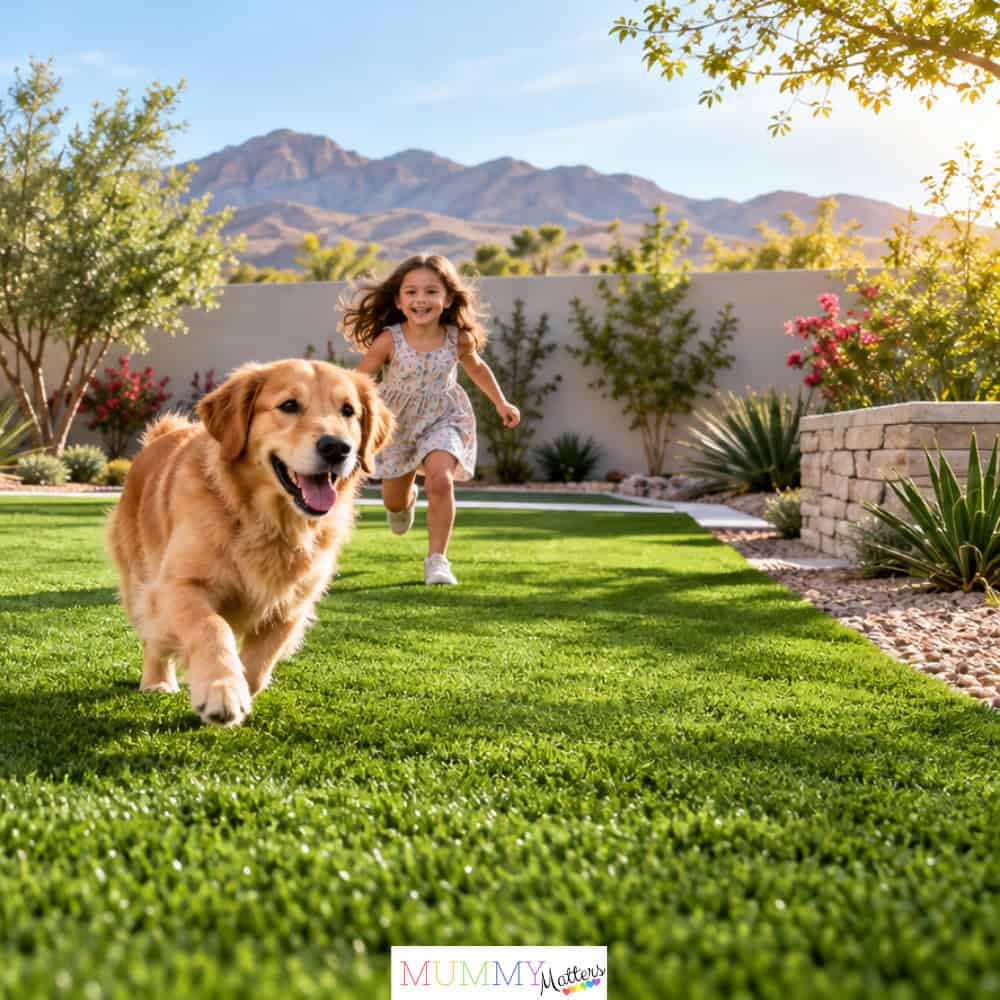
Some homeowners still prefer natural grass, but they are wary of the expense, maintenance, and water requirements. In hot, dry regions, a lawn requires frequent irrigation, mowing, edging, and seasonal repairs. Artificial turf replaces those recurring tasks with a stable surface that remains usable through heat and regular foot traffic.

The decision still requires careful planning around drainage, pets, and shade. Those practical concerns explain why more homeowners are reconsidering the traditional lawn.
1. Lower Water Demand
Homeowners comparing replacement options often begin with the irrigation schedule. A resource such as artificial grass for the backyard helps frame the decision around usable space, surface care, and local conditions rather than appearance alone.
The review should also account for drainage, sun exposure, foot traffic, and nearby planting beds. That approach gives the project a clear purpose before installation begins.
Natural grass requires regular irrigation to remain green during hot weather. Turf does not need water for growth, although occasional rinsing removes dust and surface debris. Homeowners can direct that saved water toward trees, garden beds, or other plants that need it.
2. Less Weekly Maintenance
A natural lawn needs mowing whenever growth accelerates. It also requires edging, trimming, fertilizing, weed control, and equipment storage. Turf removes mowing and many seasonal treatments from the regular maintenance schedule.
Routine care still matters. Brushing flattened fibers, clearing leaves, and rinsing dusty areas help preserve the surface. These tasks take less time than managing active grass growth, especially across a larger yard.
3. Better Performance in Dry Climates
Heat and dry air place continuous stress on living lawns. Grass thins, browns, and develops bare patches when irrigation falls short. Turf maintains a consistent color and surface shape through ordinary summer conditions.
Homeowners should assess heat exposure before installation. Dark surfaces and reflected heat from walls or paving raise surface temperatures. Shade planning, suitable material selection, and access to drinking water improve outdoor comfort for people and pets.
4. Fewer Muddy Patches
Soil that has been irrigated or rained on becomes mud, which then spreads across patios and floors. High-use areas near gates, play spaces, and outdoor seating often show damage first. Turf creates a cleaner walking surface when the base and drainage system receive proper preparation.
A sound installation begins below the visible fibers. Contractors remove unsuitable soil, establish a compacted base, and shape the area to direct water. Those steps reduce pooling and help the surface remain even under regular foot traffic.
5. More Usable Yard Space
A turf lawn provides a dependable surface for everyday outdoor activities. Children can play, guests can gather, and pets can move through the yard without waiting for wet soil to dry. The surface also creates a visual connection between separate outdoor areas.
The layout determines how well the yard functions. Homeowners should identify furniture zones, pet routes, gates, planting areas, and access points before work starts. A detailed plan prevents drainage features or permanent fixtures from limiting future use.
6. Fewer Lawn Chemicals
Natural lawns often receive fertilizer, herbicide, and pest treatments during the growing season. Those applications require careful storage, timing, and use around children and animals. Turf eliminates the need to feed living grass or control weeds across the surface.
Weeds can still appear along edges, seams, or nearby planting beds. Regular inspection keeps those areas manageable. Homeowners should ask how installers handle seams, infill, and cleaning before approving the project.
7. More Predictable Long-Term Care
Natural grass changes with weather, foot traffic, soil conditions, and irrigation performance. Turf provides a more consistent appearance without seasonal growth cycles. That predictability helps homeowners plan outdoor gatherings and reduce unexpected repair work.
The installation warranty, maintenance guidance, and end-of-life process deserve careful review. The inspected webpage lists a lifetime warranty, turf cleaning, maintenance expectations, and recycling and end-of-life responsibility. Homeowners should confirm the written coverage and service terms before signing an agreement.
Conclusion
Replacing natural grass with turf works best when the decision follows a property review rather than a color preference. Homeowners should map drainage, measure sun exposure, account for pets and foot traffic, and compare maintenance requirements before selecting materials.
A written installation proposal should explain base preparation, seams, infill, warranty coverage, and care instructions. Those details turn a broad lawn upgrade into a practical plan with fewer surprises after installation.