

Learning to surf or stand-up paddleboard is a thrilling way to enjoy one of nature’s most dynamic sports. In this guide, you’ll find essential tips, gear recommendations, lesson structure, and safety advice to help make your first surf or paddleboard lesson successful and enjoyable.
Location & Conditions
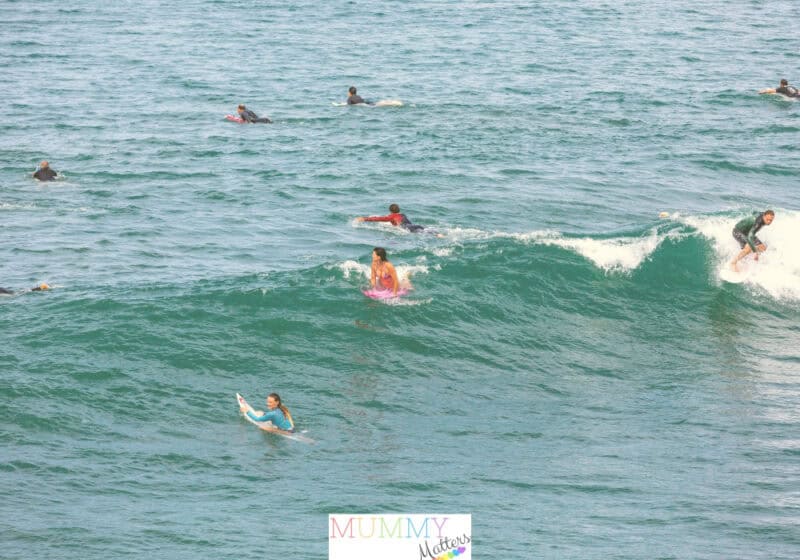
Where you learn matters as much as what you learn. For example, the island of Kauai in Hawaii offers warm water, sandy beaches, and varied surf breaks—ideal for those starting out. If you plan to take surfing lessons in Kauai, you’ll want to pick beaches with gentle waves and reliable winds. Summer months on Kauai tend to have calmer surf on many south- and west-facing shores, which is better for beginners.
What to Expect in Lessons
Whether you choose to enroll in Kauai surfing lessons or general paddleboard lessons, most courses will begin with:
- Getting familiar with gear (board size, leash, paddle for SUP, etc.)
- Learning how to fall safely and get back on the board
- Basic paddling or surfing stance and movement
- Understanding wave patterns, ocean etiquette, and how to read surf forecasts
These skills give beginners a strong foundation before moving into more challenging waters.
Gear & Technique Basics
Surf vs. Paddle Board Gear
- Surfboard: Beginners often start with longboards (larger, more stable), plus a leash to keep the board attached when falling off.
- SUP board: Wider and longer boards offer stability. You’ll also need a paddle that’s the correct height (usually something that, when vertical, reaches your wrist when your arm is raised), a leash, and often a Personal Flotation Device (PFD) depending on local regulations. REI notes that for SUP outside of surf zones, a PFD is required by U.S. Coast Guard law.
Basic Technique Tips
- Balance & posture: On the SUP, start kneeling if standing is too unstable; keep feet parallel, knees bent, and gaze forward.
- Paddling: Use long, steady strokes alternating sides; use torso rotation more than arm strength.
- Surfing: Practice pop-ups (going from prone to standing smoothly), timing of waves, and turning the board safely.
What Makes a Great Lesson
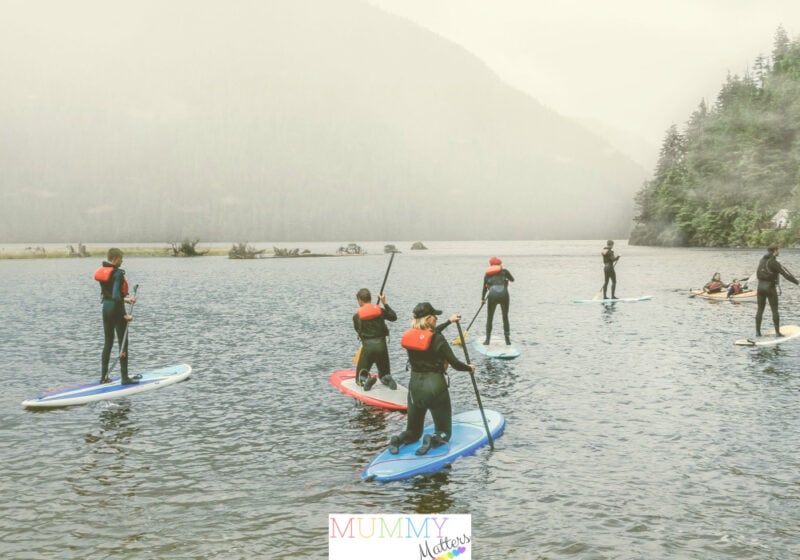
- Certified instructors: They should know safety practices, teaching techniques, and local ocean conditions.
- Small class sizes: Ensures personal attention and safer learning.
- Progressive structure: Begin in shallow water, then move to whitewater, then gentle surf, only when ready.
- Feedback & video: Some lessons offer video reviews—useful for correcting posture and technique.
If you’re looking for local options, enrolling in Kauai surfing lessons can offer both scenic beauty and professional instruction in an ideal learning environment.
Safety & Environmental Awareness
Ocean Safety
Ocean conditions can change quickly. On Kauai, surf forecasts, beach safety notices, and marine charts are provided regularly. The Hawaii Ocean Safety Department publishes surf seasons and hazards, so checking those ahead of time is essential for your safety.
Also, the Hawaii Water Safety Plan highlights that drowning remains a major risk, especially for youth aged 1-15, and that visitors also face high danger from water-related injuries.
Respect for the Environment
- Water quality: In Kauai, volunteer groups and state health agencies monitor water quality at surf breaks and beaches. Some stream-mouth or estuary sites often exceed safe bacterial levels. Respect posted warnings and avoid entering the water when advisories are active.
- Beach etiquette: Leave no trace. Avoid stepping on reefs, carry out trash, and minimize disturbance of wildlife or natural habitats near your launch site.
Surfing and paddleboarding lessons are rewarding but require patience, respect, and preparation. By understanding what gear you’ll use, what safety practices are necessary, and what to expect in lessons, beginners can accelerate their learning while staying safe.
Key Takeaways:
- Beginners should start on gentle waves and calm waters, ideally with certified instructors and small class sizes.
- Proper gear, balance, posture, and understanding ocean safety are essential for a safe and successful first lesson.
- Respecting the environment, including reefs, wildlife, and water quality, is a key part of learning to surf or paddleboard responsibly.