
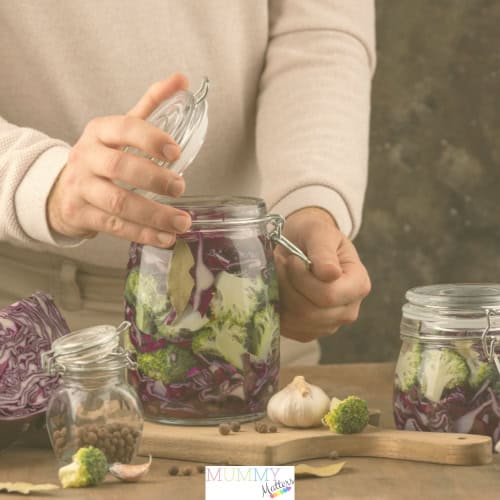
Storing food for later is a smart way to manage your family’s meals, save money, and reduce waste. Whether you’re dealing with a surplus from the garden or stocking up on sale items, knowing how to preserve food correctly is a valuable skill. Getting started with long-term food preservation can feel like a big undertaking, but it’s simpler than you might think. With a few basic techniques, you can safely store food for months or even years.
Understand Your Preservation Options

There are several reliable methods for preserving food, each with its own benefits. Canning is a popular choice for fruits, vegetables, and even meats. It involves sealing food in jars and heating them to destroy microorganisms.
Another effective method is dehydration, which removes moisture from foods, making them lighter and easier to store. Freezing is perhaps the simplest method; it slows down the enzyme activity that causes food to spoil. For meats, fish, and game, many people also turn to smoking or curing to add flavor and extend shelf life.
Invest in Quality Storage Tools
The tools you use can have a big impact on the success of your preservation efforts. For canning, you will need glass jars with two-part lids, a canner, and a jar lifter. If you prefer dehydrating, a quality food dehydrator with adjustable temperature settings is a worthwhile investment.
For freezing, consider how you will protect your food from freezer burn. Using the best vacuum sealer for fish and game can significantly extend the life of your frozen items by removing air and creating a tight seal.
Label Everything Clearly
It is easy to forget what is in each jar or package months down the line. That’s why clear labeling is so important. Every container should have a label with two key pieces of information: the contents and the date it was preserved.
This simple habit helps you keep your pantry organized and use your oldest items first. You can use simple masking tape and a marker or buy pre-made labels. This step only takes a moment, but it saves you from guesswork later.
Know Your Shelf Life
Different preservation methods result in different shelf lives. Properly canned high-acid foods, such as fruits and pickles, can last 12-18 months, while low-acid foods, such as meats and vegetables, can last 2-5 years.
Dehydrated foods, when stored correctly, can remain good for many years. Frozen foods vary; vegetables can last 8-12 months, while vacuum-sealed meats can last for 2-3 years. Familiarizing yourself with these general timelines helps you plan your meals and rotate your stock effectively.
Start Small and Build Over Time
You do not need to preserve a year’s worth of food in one weekend. Begin with a small, manageable project, like making a single batch of strawberry jam or freezing a few bags of green beans. This approach allows you to learn the process without feeling overwhelmed. As you gain confidence and experience, you can gradually increase the quantity and variety of foods you preserve. Getting comfortable with these preservation methods opens up a new world of kitchen possibilities. You can enjoy your favorite foods year-round while having peace of mind knowing your pantry is well-stocked. Soon you’ll find that long-term food preservation is a rewarding and practical part of managing your home.