
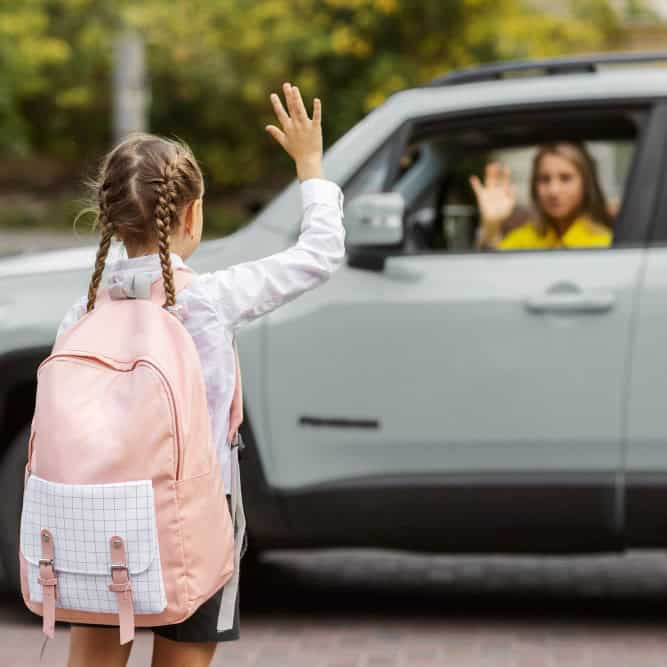
The end of summer break is on the horizon, and it will soon be time for children and teens to head back to school. That means we will be sharing the roads with school buses and sharing sidewalks with more pedestrians. With the increase in vehicular and pedestrian traffic, it is essential to be aware of the rules of the road and prioritise safety for everyone sharing the space with us. We’ll explore the best safety practices for buses, walkers, and drivers.
School Bus Safety
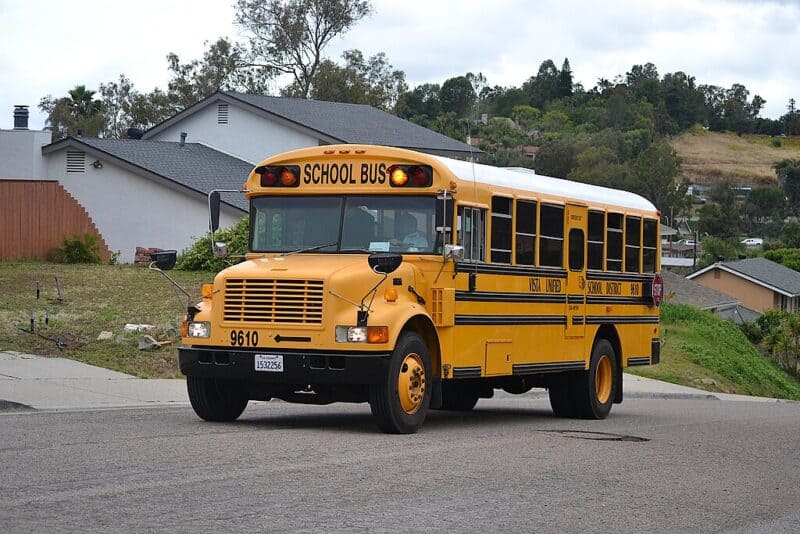
Many students rely on buses to get to school and return home. School buses are highly regulated vehicles and are designed to protect children while boarding, getting off, and while in transit. According to the National Highway Traffic Safety Administration (NHTSA), school bus drivers undergo regular training to stay up to date with industry standards to help them maintain the highest level of safety for children in and around the bus.
It is just as important for children to understand how to be safe around and inside the school bus. Teaching your children these tips at the start of each school year will reinforce their understanding of proper bus behaviour and safety.
- Arrive at the designated bus stop five minutes before the scheduled arrival.
- Stay at least 6 to 10 feet away from the street curb or end of the driveway.
- Wait until the bus comes to a complete stop and the doors open before approaching the bus.
- Never walk behind the bus, out of the driver’s sight.
- Stay seated while the bus is moving. Some states, such as Florida, now require school buses to be equipped with seatbelts. If one is present, children should be instructed on how to use it properly.
- Always look left and right for oncoming traffic when exiting the bus if you have to cross the street.
Walking to School Safely

Many kids walk to and from school. This activity has many rewards. It is a form of exercise and teaches children a bit of independence. However, children younger than 10 years old should be accompanied by an adult when walking to school.
It is important that children be taught from an early age how to safely navigate streets and sidewalks. Here are some tips for walking safely to and from school.
- Encourage kids to walk with a buddy for added protection and awareness.
- Walk on a sidewalk or lawn while facing traffic.
- Cross only at designated crosswalks or where there is a crossing guard.
- Stop and look both ways before crossing the street.
- Don’t use a phone, earbuds, or any other distraction while walking.
- Identify safe spots along the route, such as a friend’s house, in case your child feels in any danger.
Safe Driving Practices

While school is in session, there is increased traffic, and drivers are sharing the roads with school buses and perhaps cyclists. There are also more people crossing the streets. It is crucial to be alert and not distracted. Turn your phone off and keep your eyes and ears open, especially when driving through a school zone.
Drivers need to respect the posted speed limits, which can be as low as 15 mph in some school zones during arrival and dismissal hours.
In most states, drivers are required by law to stop when a school bus is flashing its red lights, and the stop arm is extended. It is illegal and unsafe to pass or drive around a school bus that has its lights flashing. Similarly, you must stop when a crossing guard signals you to with a brightly colored sign.
There is proper etiquette for dropping off and picking up your children from school. Use the designated drop-off spot and wait for your turn. Don’t double park and have your children jump out into the traffic of other cars dropping off. The same goes for picking up.