
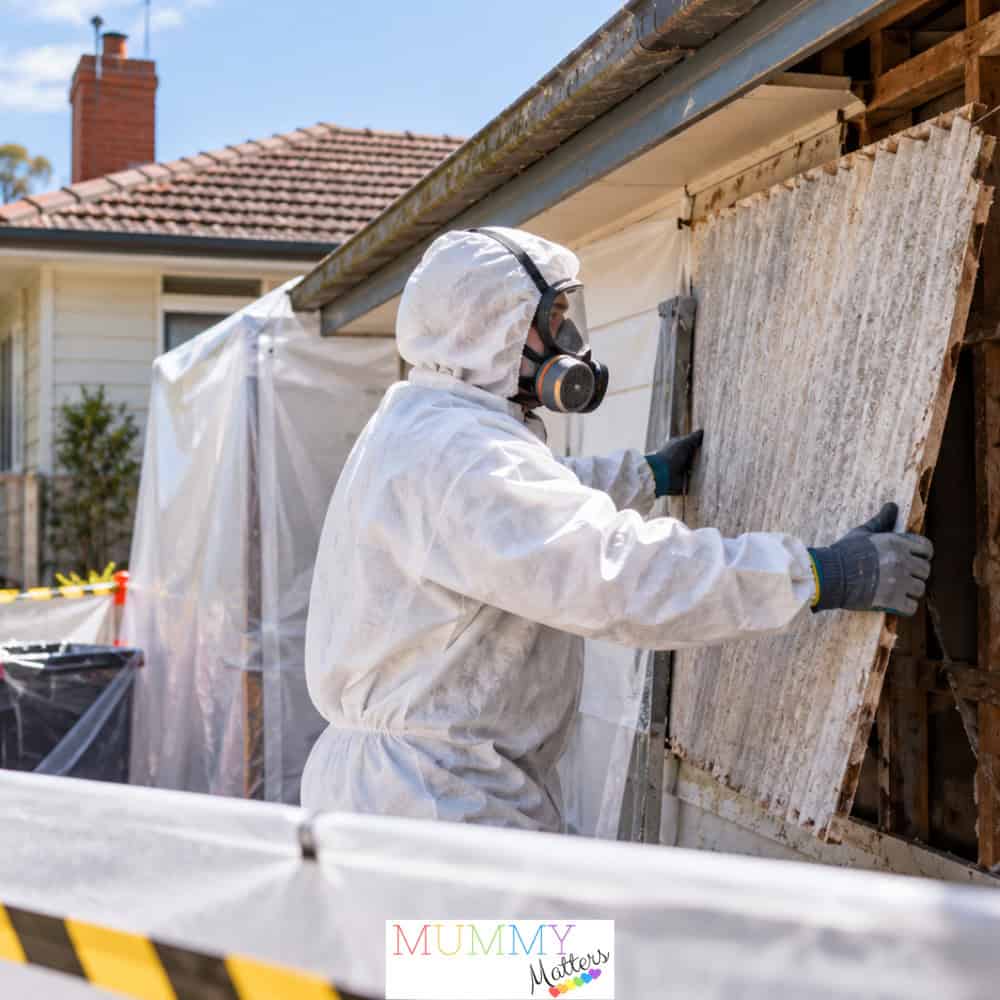
The house has good bones. That’s what everyone said when you bought it: solid brick, high ceilings, a backyard big enough for a trampoline and a vegetable patch. The plan was simple. Pull down the dated fibro sheeting in the laundry, open up the kitchen wall, and replace the old eaves before summer. Then a neighbour mentions, almost in passing, that every house on the street was built in the same decade, and most of them had asbestos in the sheeting, the eaves, and under the lino. Suddenly the weekend project looks very different.
That moment, when a renovation plan collides with the reality of what older homes are made of, is one most Australian families eventually face. Asbestos was used in thousands of building products until the late 1980s, and it’s still sitting quietly in houses across the country. Left alone and in good condition, it poses little risk, but the moment it’s cut, drilled, sanded, or broken, it becomes dangerous. Here’s how professional asbestos removal turns an older home into a safer one for the people living in it.
Asbestos Is Still in a Third of Homes
The problem hasn’t gone away with time. According to Cancer Council Australia, 684 Australians were diagnosed with mesothelioma in 2024, roughly one in three Australian houses still contains asbestos, and among people exposed outside the workplace, 51 percent had possible or probable exposure while carrying out major home renovations.
That last figure is the one families should sit with. The biggest non-work risk isn’t living in an older home. It’s renovating one without knowing what’s inside the walls.
Where Asbestos Hides in Older Homes
Asbestos products were popular because they were cheap, durable, and fire-resistant, so they ended up almost everywhere:
- Fibro wall and ceiling sheeting, especially in bathrooms, laundries, and garages
- Eaves, soffits, and gable ends
- Corrugated roofing and fence sheeting
- Vinyl floor tiles and the backing under old lino
- Textured ceilings and some wall coatings
- Insulation around old heaters, flues, and hot water systems
- Backing boards behind electrical switchboards
- Cement pipes, gutters, and downpipes
If a home was built or renovated before 1990, it’s safest to assume these materials may contain asbestos until testing proves otherwise.
Why Disturbing It Is the Danger
Intact asbestos sheeting bonded in cement doesn’t release fibres on its own. The risk comes from anything that breaks the surface: drilling for a towel rail, cutting a hole for a new power point, pressure-washing a roof, pulling down a wall, or sanding back a textured ceiling.
Those jobs release microscopic fibres that can be inhaled and stay in the lungs for decades. Children, who breathe faster and spend more time on floors, are especially vulnerable to dust tracked through a house.
Testing Comes Before Everything
The first step in making an older home safer isn’t removal; it’s knowing what you’re dealing with. A licensed inspector takes small samples of suspect materials and has them analysed in a laboratory.
The result tells you where asbestos is, whether it’s bonded or friable, and what condition it’s in. From there a family can make informed choices: leave stable material alone and seal it, plan removal before a renovation, or prioritise damaged areas immediately.
Choosing a Licensed Removal Service
Removal is not a DIY job, and in New South Wales it’s tightly regulated for good reason. Hiring a licensed team for asbestos removal Sutherland Shire homeowners can rely on means the work is done under a government licence, with proper containment, protective equipment, and legal disposal rather than a skip bin and a hope for the best.
Sydney Asbestos, for example, holds a Class B bonded asbestos removal licence, carries $10 million in public liability insurance, and handles inspection, testing, removal, roof and garage demolition, disposal, and clearance inspections for homes and businesses. Whichever company you engage, check the licence number, ask about their containment process, confirm where the waste goes, and request a clearance certificate once the job is finished.
What Professional Removal Looks Like
A properly run removal protects the household at every stage:
- Inspection and marking of exactly which materials will be removed
- A written quote that sets out the scope and the safety measures
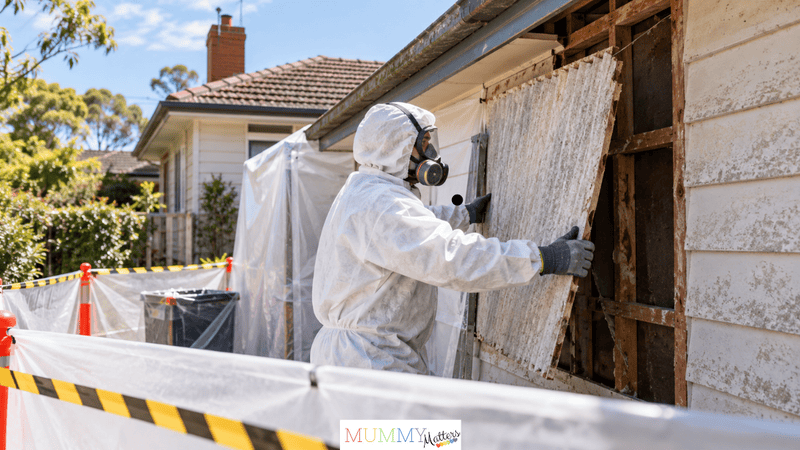
- Containment, with the work area sealed off and warning signs in place
- Careful removal, keeping sheets whole and wet to minimise fibre release
- Full protective gear for the crew, including respirators and disposable suits
- HEPA vacuuming of the area with industrial-grade equipment
- Binder spray to lock down any residual fibres on surfaces
- Licensed disposal at an approved facility, with documentation
- Clearance inspection to confirm the area is safe to reoccupy
Families are usually asked to stay out of the work zone, and often out of the house, until clearance is complete.
The Difference It Makes to Daily Life
Once asbestos is gone, the home changes in ways families notice:
- Renovations can go ahead without fear of what’s behind the wall
- Kids can play in the garage, under the eaves, and in the yard without worry
- Cracked or weathered sheeting is no longer slowly releasing fibres
- The home is easier to sell, since buyers and inspectors ask about asbestos
- Insurance and future tradespeople have fewer complications
Peace of mind is hard to price, but anyone who’s lived with a known hazard knows what it’s worth.
Safe Habits While You Wait
If removal is planned but not yet done, a few habits reduce risk in the meantime:
- Don’t drill, cut, sand, or pressure-wash suspect materials
- Seal small damaged areas with paint or tape and keep children away
- Tell every tradesperson who comes to the house what’s been identified
- Keep a copy of the inspection report where you can find it
- Never put suspected asbestos in household bins or skips
These are stopgaps, not solutions, but they matter.
Conclusion
Asbestos removal helps make older homes safer for families by replacing uncertainty with knowledge, through testing that shows exactly what’s in the house, and then removing the hazardous materials under licence, with containment, protective equipment, HEPA cleaning, legal disposal, and a clearance inspection that confirms the job is done.
With a third of Australian homes still containing asbestos and half of non-workplace exposures linked to renovations, the risk is highest at precisely the moment a family decides to improve their home. Test first, hire licensed professionals, and the house with good bones can become one that’s safe all the way through.