
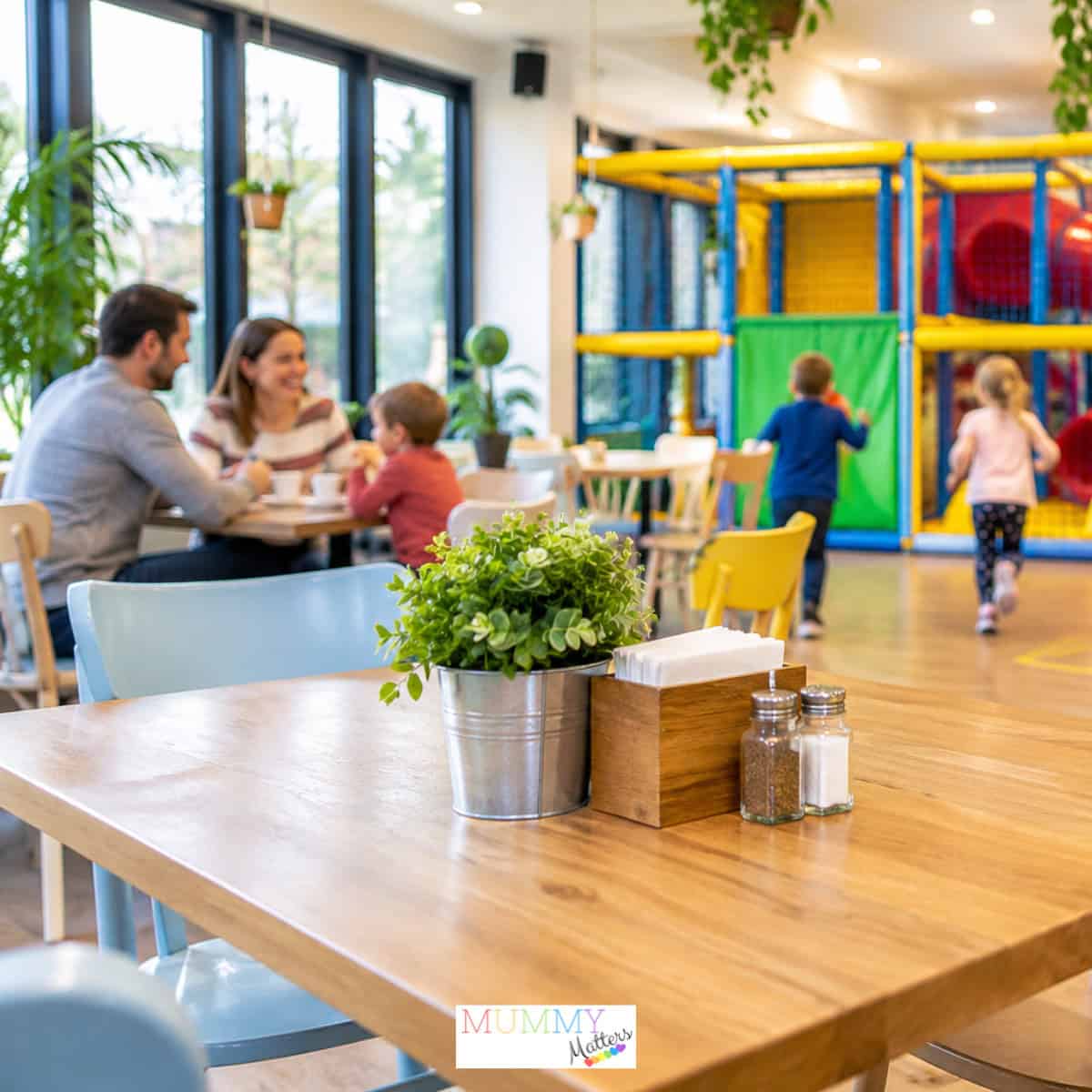
When you’re heading out for a family day out, dropping your little one off at nursery or meeting friends for a coffee, cleanliness might not be the first thing on your mind. However, it’s often one of the first things you notice when you walk through the door. A clean, fresh and well-maintained environment immediately makes you feel more comfortable, particularly when you have children in tow.
As parents, we naturally pay attention to the places our children spend time. Whether it’s the toilets at a soft play centre, the tables in a family café or the toys and equipment in a childcare setting, we want to feel confident that the businesses we visit take hygiene seriously. It’s not about expecting everything to be spotless every second of the day, especially in places filled with energetic children, but about seeing that cleanliness and wellbeing are genuine priorities.
For businesses that welcome families, maintaining a clean environment is about much more than appearances. Good hygiene practices can help reduce the spread of infections, create a more pleasant experience for visitors and reassure parents that their families are being looked after. They can also make life easier for employees who are already juggling the demands of a busy working day.
So, what makes cleanliness so important in family-friendly businesses, and how can owners ensure their premises remain welcoming, hygienic and comfortable for everyone who walks through the door?
First Impressions Matter More Than You Might Think
We’ve all walked into a café, restaurant or family attraction and immediately formed an opinion about how well the place is looked after. It might be something as simple as sticky tables, overflowing bins or a toilet that clearly hasn’t been checked for a while. Equally, walking into somewhere that looks fresh, tidy and well maintained can instantly make you feel more relaxed and happy to stay.
For parents, these little details can be particularly important. When you’re taking young children somewhere, you’re already thinking about whether the environment is safe, comfortable and suitable for their needs. If the facilities appear neglected, it’s natural to wonder whether the same lack of attention extends to other areas of the business.
Of course, there’s a difference between a busy family venue that’s a little untidy because children are having fun and somewhere that isn’t being cleaned properly. Most parents understand that toys will end up scattered across the floor and crumbs are inevitable in a family café. What matters is seeing that staff are making an effort to keep things hygienic and deal with mess as it happens.
For business owners, those first impressions can have a lasting impact. Families who feel comfortable and confident in their surroundings are more likely to enjoy their visit, recommend the business to others and consider returning. Cleanliness might not be the main reason someone chooses a particular venue, but poor hygiene can certainly be a reason they decide not to visit again.
Why Good Hygiene Is Especially Important Around Children
Anyone who has spent time around young children knows that keeping everything clean can feel like a never-ending task. Little hands are constantly exploring, toys are shared without a second thought, and remembering to wash hands isn’t always at the top of a child’s priorities. It’s all part of growing up, but it also means that places welcoming children need to pay particular attention to hygiene. Establishing good personal care routines for children is equally important, helping youngsters develop healthy habits that can be encouraged both at home and in childcare settings.
In nurseries, soft play centres, children’s activity venues and family attractions, there are countless surfaces being touched throughout the day. Door handles, tables, play equipment and shared toys can all become contaminated with germs, particularly during the colder months when coughs, colds and other infections tend to circulate more frequently.
Regular cleaning helps remove dirt and germs from these surfaces, while appropriate disinfection can provide additional protection where needed. However, good hygiene isn’t simply about using stronger cleaning products. It’s about having sensible routines in place, choosing products suitable for the environment and making sure frequently used areas receive the attention they need.
Handwashing facilities are equally important, especially in places where children eat, play or use shared equipment. The NHS provides helpful guidance on how to wash your hands properly, explaining why washing with soap and water is an important way to help prevent infections from spreading. Clean toilets, well-stocked soap dispensers and hygienic baby-changing areas can make a real difference to a family’s experience. They’re also practical signs that a business understands the needs of the people visiting.
For parents, knowing that these everyday details are being taken seriously provides reassurance. Nobody expects a completely germ-free environment, but businesses that maintain good hygiene standards can help reduce avoidable risks and create spaces where children can play, learn and explore with greater confidence.
Why Professional Cleaning Makes a Difference
Keeping a busy business clean isn’t always as straightforward as it might seem. While staff can usually manage everyday tasks such as wiping tables, clearing away rubbish and tidying communal areas, more thorough cleaning requires additional time, equipment and planning. For businesses that welcome families throughout the day, finding the opportunity to tackle everything properly can be particularly challenging.
This is where professional commercial cleaning services can make a difference. Having a regular cleaning schedule in place helps business owners maintain consistent standards without placing all the responsibility on employees who already have plenty to do. It also means that areas requiring more detailed attention, such as toilets, flooring, high-touch surfaces and shared facilities, can be included in a structured cleaning routine.
For example, businesses looking for a Commercial Cleaning Company Cheltenham can explore professional cleaning services suited to their premises and operational requirements. Whether it’s an office, a customer-facing business or another busy commercial environment, having appropriate cleaning arrangements in place can help create a more pleasant space for employees and visitors alike.
While the cleaning requirements of commercial premises can differ considerably from those of a family home, many of the benefits of professional cleaning services are similar, particularly when it comes to maintaining a pleasant environment and reducing the everyday burden of cleaning.
Of course, professional cleaning doesn’t replace the need for good everyday hygiene practices. Staff still need to deal with spills, keep frequently used areas tidy and encourage sensible habits throughout the working day. However, combining these daily responsibilities with a planned cleaning programme can make maintaining a welcoming environment much more manageable.
Creating a Welcoming Environment for Staff as Well as Families
When we think about cleanliness in family-friendly businesses, it’s easy to focus entirely on the customers, but the people working behind the scenes are just as important. Whether it’s nursery practitioners caring for young children, café staff serving busy families or employees welcoming visitors to a local attraction, everyone benefits from having a clean and comfortable place to spend their day.
Working in an untidy or poorly maintained environment can make an already demanding job feel more stressful. Nobody wants to start their shift dealing with overflowing bins, dirty facilities or cleaning tasks that should have been completed the evening before. Having reliable routines in place allows employees to concentrate on their main responsibilities rather than constantly worrying about the condition of their surroundings.
There are practical benefits, too. Keeping communal areas, kitchens, toilets and frequently touched surfaces clean can help reduce opportunities for germs to spread, particularly in workplaces where employees interact with large numbers of people. Providing suitable handwashing facilities and encouraging good hygiene habits also helps create a healthier working environment.
It’s worth remembering that employees often set the tone for the whole customer experience. When staff feel supported and have the resources they need to do their jobs properly, they’re better placed to offer the friendly, attentive service that families appreciate. A clean and well-organised workplace won’t solve every challenge a business faces, but it can certainly contribute to a more positive atmosphere for everyone.
Simple Ways Businesses Can Maintain Good Hygiene Standards
Maintaining a clean and welcoming business doesn’t necessarily mean introducing complicated procedures or spending hours cleaning every day. Often, it’s the small, consistent habits that make the biggest difference, particularly in busy environments where families, children and employees are coming and going throughout the day.
One of the most useful things any business can do is establish a regular cleaning schedule that reflects how its premises are used. Toilets, entrance areas, tables and frequently touched surfaces may need attention several times throughout the day, while other areas can be included in a weekly or more thorough periodic clean. Having clear responsibilities also helps prevent important tasks from being overlooked when things get busy.
It’s equally important to make good hygiene easy for customers and employees. Providing accessible handwashing facilities, keeping soap and paper towels topped up and placing bins where they’re actually needed can encourage people to look after shared spaces. In family-friendly venues, regularly checking baby-changing facilities and children’s toilets is another small detail that parents are likely to appreciate. Many of the same principles involved in keeping bathrooms safe and clean for children at home also apply to shared facilities, where cleanliness and safety are particularly important.
Businesses should also consider the cleaning products and equipment they’re using. Different surfaces and environments have different requirements, and products should always be used according to the manufacturer’s instructions. In settings where children are present, cleaning chemicals must be stored securely and kept out of reach, with appropriate precautions taken to prevent accidental exposure.
Finally, it’s worth reviewing cleaning routines regularly rather than assuming that what worked a year ago will always be sufficient. A growing business, increased visitor numbers or changes to how a space is used can all affect its cleaning requirements. Listening to feedback from employees and customers can also highlight areas that might otherwise be missed.
Ultimately, good hygiene comes down to making cleanliness part of the everyday running of a business rather than treating it as an occasional task. When everyone understands its importance and has the right support in place, maintaining a pleasant environment becomes much easier.
A Cleaner Space Creates a Better Experience for Everyone
Whether it’s a nursery, a family café, a soft play centre or a local attraction, the cleanliness of a business plays an important role in how people feel when they visit. Parents want to know their children are spending time in a safe and well-maintained environment, employees deserve comfortable surroundings in which to work, and business owners naturally want visitors to leave with a positive impression.
Of course, no busy family-friendly venue is going to look immaculate every minute of the day, and most parents wouldn’t expect it to. Children make mess, accidents happen and busy periods can leave even the most organised businesses playing catch-up. What really matters is having sensible routines in place and showing that hygiene and cleanliness are taken seriously.
By making good cleaning practices part of everyday operations, businesses can create spaces where families feel welcome, employees feel supported and visitors are happy to return. Sometimes it’s those seemingly small details, such as a clean table, a well-maintained toilet or a fresh and inviting entrance, that make the biggest difference to someone’s experience.