
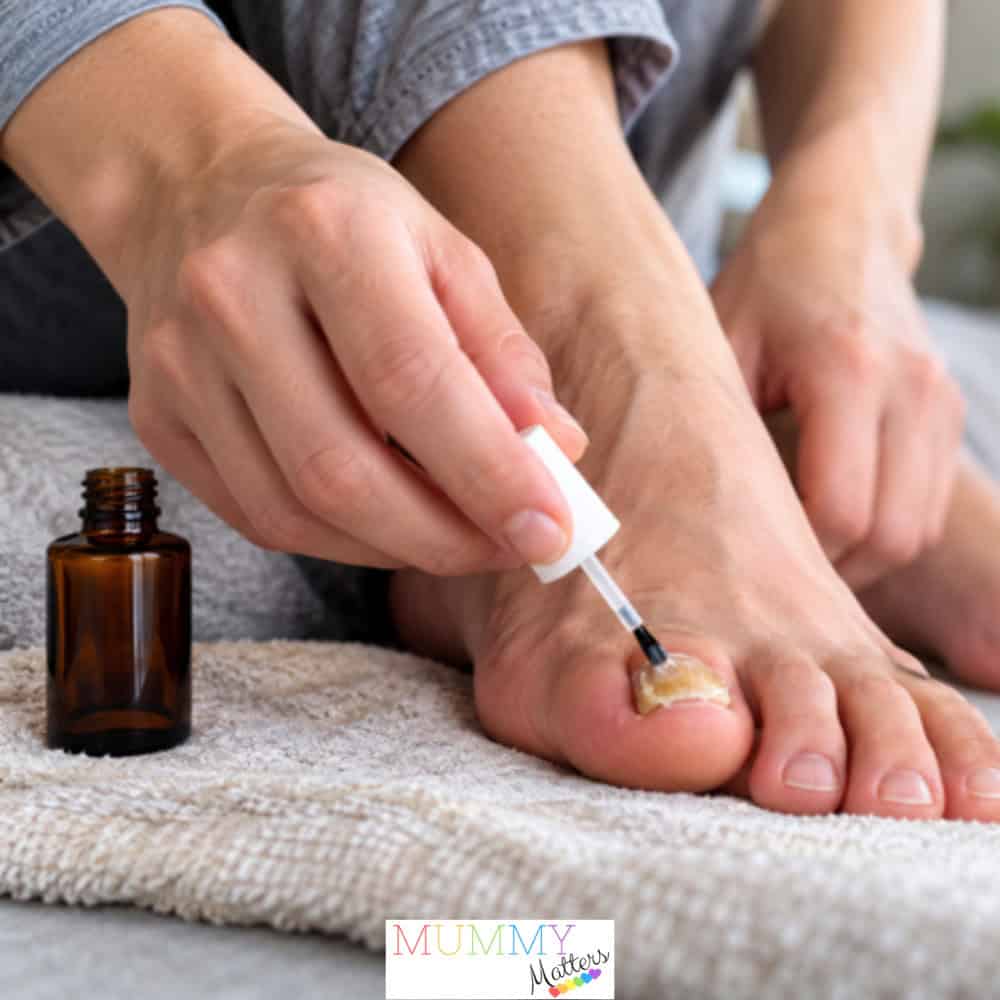
A topical formula may help address toenail fungus, but its effectiveness depends on the ingredients, the severity of the infection, and how deeply the fungus has spread into the nail. Topical treatments are applied directly to the affected nail and surrounding skin, making them convenient for some cases, although they may work more slowly or be less effective than prescription oral antifungal medication. Understanding the benefits, limitations, and available treatment options can help you decide what to discuss with a healthcare professional.
What Is Toenail Fungus, and How Does It Develop?
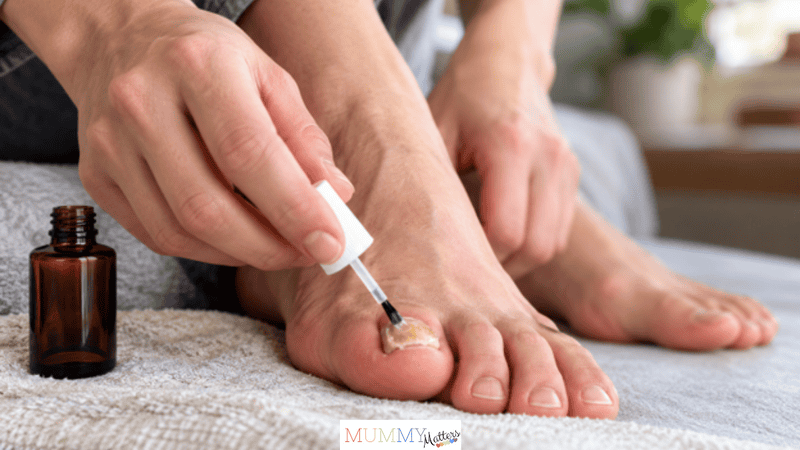
Toenail fungus, medically known as onychomycosis, is a fungal infection that affects the nail plate or the tissue beneath it. It often develops gradually, causing the nail to become yellowish, white, thickened, brittle, or crumbly. In some cases, the nail may separate from the nail bed.
Fungi thrive in warm, moist environments, which is why sweaty footwear, damp socks, communal showers, and swimming pool changing areas can contribute to exposure. A small crack in the nail or surrounding skin may allow fungi to enter and grow.
Toenail fungus can resemble other nail conditions, including nail injuries and certain skin disorders. If a nail changes color or texture without a clear reason, a healthcare professional can help confirm the cause before treatment begins.
How Can a Topical Formula Help With Toenail Fungus?
This topical formula for nail fungus is applied to the affected nail rather than taken by mouth. Depending on its ingredients, it may be designed to combat fungal growth, protect the surrounding skin, or support general nail care. However, these purposes are not interchangeable: a product marketed for nail care is not necessarily a clinically proven antifungal treatment.
Prescription topical antifungal medicines, such as efinaconazole and ciclopirox, are used for certain cases of nail fungus. They are applied according to their specific instructions, often over an extended period. Because toenails grow slowly, visible improvement can take months, even when treatment is appropriate.
Nonprescription oils and other topical formulas are also available. Before choosing one, check whether it contains an established antifungal ingredient and whether reliable clinical evidence supports its use for nail infections. A product’s natural ingredients or topical application alone do not establish that it can eliminate the fungus.
What Are the Benefits of Using a Topical Nail Fungus Formula?
One potential benefit of topical treatment is that it targets the affected area without requiring medication to pass through the digestive system. This may appeal to someone who prefers a local treatment or has concerns about the possible side effects and interactions associated with oral medication.
Topical applications can also fit into an everyday foot-care routine. Depending on the product, application may involve cleaning and drying the nail before following the directions on the label. Consistent use matters because missed applications or stopping treatment too early may reduce the chances of success.
Another advantage is that some mild infections can be managed with prescription or pharmacy-supplied antifungal nail preparations. The NHS guide to fungal nail infections explains that these treatments may need to be used for six to twelve months, depending on the preparation and infection.
What Are the Drawbacks of Topical Treatments?
The main limitation is that the nail plate can make it difficult for an antifungal ingredient to reach the fungus underneath. When an infection affects deeper nail layers, involves several nails, or causes substantial thickening, a topical treatment alone may not be sufficient.
Another drawback is the time required to see improvement. Even when treatment works, the damaged portion of a toenail must gradually grow out and be replaced by healthier nail. Complete regrowth can take a year or longer, depending on the nail and the extent of the damage.
There is also a difference between established antifungal medication and products containing oils or other cosmetic ingredients. Evidence supporting one ingredient cannot automatically be applied to another, so check the formulation and available research before relying on a particular product.
How Can You Support Toenail Fungus Treatment?
Daily habits can help reduce moisture and limit the risk of spreading or reacquiring a fungal infection. They do not replace appropriate antifungal treatment, but they can support a sensible foot-care routine.
- Keep feet dry: Dry carefully between your toes after bathing, and change damp socks promptly.
- Trim nails carefully: Keep toenails manageable and avoid cutting into the surrounding skin.
- Wear breathable footwear: Shoes that allow airflow can help reduce prolonged moisture.
- Clean nail tools: Avoid sharing clippers, files, or other personal nail-care equipment.
- Address athlete’s foot: Fungal skin infections can spread to the nails, so seek suitable treatment if peeling, itching, or scaling develops.
If the nail becomes painful, the infection spreads, or treatment does not appear to help, consult a healthcare professional. People with diabetes, poor circulation, or a weakened immune system should seek medical advice rather than relying on home treatment alone.
When Should You Consider Medical Treatment?
A pharmacist or doctor can help determine whether a topical antifungal is appropriate. If the infection is extensive or has not improved with topical treatment, a clinician may consider prescription oral antifungal medication, depending on the diagnosis and your medical history.
Oral medicines can be more effective for certain nail infections, but they may cause side effects and interact with other medications. A clinician may examine a nail sample to confirm the diagnosis before recommending treatment, particularly when the appearance could have another cause.
Frequently Asked Questions
Q. Can a topical formula completely cure toenail fungus?
- Some topical antifungal medicines can clear certain nail infections, particularly mild cases. Results vary, and nonprescription oils or cosmetic formulas should not be assumed to have the same effectiveness as proven antifungal medicines.
Q. How long does topical treatment take to work?
- Treatment commonly takes several months. Pharmacy-supplied antifungal nail preparations may require six to twelve months, and complete toenail regrowth can take longer.
Q. Are natural oils effective against nail fungus?
- Evidence varies by ingredient and formulation. Natural oils should not automatically be considered proven treatments, and they may cause skin irritation in some people.
Q. Should I use topical treatment or oral medication?
- Topical treatment may suit selected mild infections, while oral medication may be considered for more extensive cases. A healthcare professional can help weigh the likely benefits, risks, and appropriate treatment duration.