

Planning a wedding reception gets tricky when your guest list spans several generations. The music that gets your friends onto the dance floor might not appeal to your grandparents, and young children won’t necessarily enjoy sitting through a long dinner and hours of speeches. You want everyone to feel included without planning a separate celebration for every age group.
The best place to start is with the guest experience. Consider where invitees can relax, what will keep them entertained, and how the reception will flow from one part of the day to the next.
Start with your guest list

Look beyond the total headcount and consider the mix of people attending. Note how many children, teenagers, older adults, and guests with mobility or sensory needs will be there. This simple review will help you make practical choices about seating, food, music and the timing of key moments.
Think through the reception from each guest’s point of view. Parents may need space for a pushchair and easy access to toilets. An older relative might appreciate a chair with a supportive back, while teenagers will probably welcome activities that don’t feel aimed at young children. Guests who don’t know many people may feel more included if you seat them with friendly, talkative companions who share an interest.
A guest-forward wedding also relies on clear information. Include the venue address, expected finish time, dress guidance and transport details on your invitations or wedding website. If the property has steps, gravel paths or long distances between spaces, tell guests in advance. People can then plan their footwear, mobility support and childcare without having to chase you for answers during the final week.
Make the main spaces work for everyone
Divide the reception into clear zones for dining, conversation and dancing. Guests shouldn’t have to choose between shouting over the music and leaving the celebration entirely. Seat older relatives and families with babies away from speakers and keep them close enough to see speeches, the first dance and other important moments.
The dance area deserves early attention because its size and position affect the whole room. Leave wide routes around tables and avoid placing chairs where they’ll gradually creep into the dancing space. Consider the layout when choosing your equipment, too. For instance, a customisable LED dance floor can help define the dancing area, with adjustable colours, brightness and lighting effects to suit different stages of the evening. Ask your venue to confirm measurements, access times and power arrangements before booking event equipment.
Also keep lighting comfortable in the quieter areas. Very dark tables make menus hard to read, while intense flashing effects can be uncomfortable for some guests. Warm table lighting, clear signs and an obvious route to the toilets make a noticeable difference. Check accessibility in person if possible, including doorway widths, lift access and the distance from parking or drop-off points to the reception room.
Build a schedule with breathing room
A reception needs enough structure to stop guests from wondering what happens next, but every minute doesn’t need its own formal activity. Long gaps can be tiring for children and older adults, while a packed programme leaves little time for conversation.
Create a simple running order that includes arrival, food service, speeches, cake cutting, the first dance and departure arrangements. Share it with your venue, caterer, entertainment team and one trusted family member. You don’t need to print every detail for guests, though a small welcome sign can show meal times and major moments.
You may also find this article on planning an unforgettable wedding useful when fitting the reception into the wider day. Add ten-minute buffers around major transitions so one late speech doesn’t disrupt dinner, dancing and transport.
Serve food that feels flexible
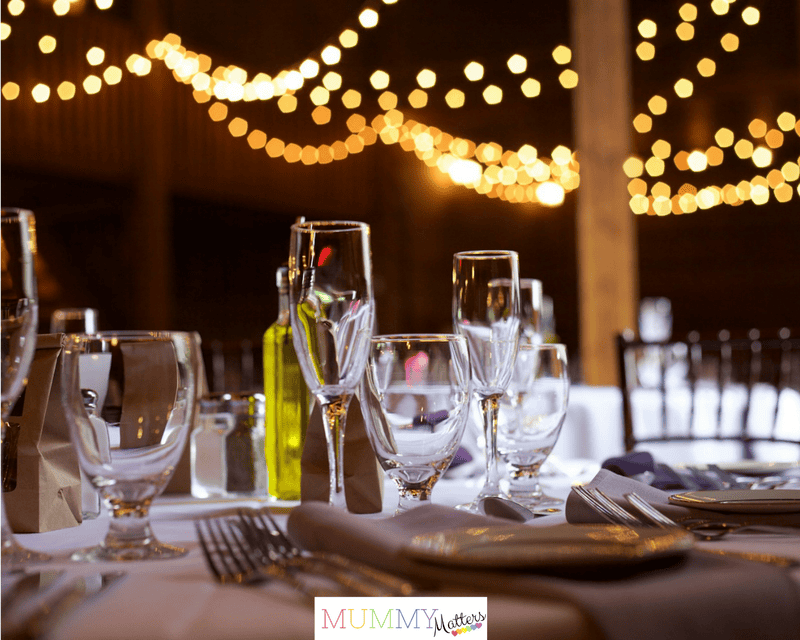
Guests tend to remember how well they were looked after, and food is a big part of that feeling. Offer choices that suit different ages and dietary needs without creating an overly complicated menu. Ask about allergies, intolerances and dietary preferences through the RSVP process, then give the caterer a clear final list.
Children may prefer a smaller portion of familiar food served earlier than the main meal. That doesn’t require a completely separate menu. A child-sized serving of pasta, vegetables, or another straightforward dish can work well. Older guests may also appreciate food that is easy to eat and a meal service that doesn’t run too late.
Avoid long periods without anything available. If the ceremony finishes at 2 pm and dinner begins at 6 pm, provide substantial snacks during the gap. Set out water in several easy-to-find places and include interesting non-alcoholic drinks so every guest has a celebratory option.
Choose entertainment with broad appeal
Music can bring different generations together when the playlist offers variety, and the volume suits the stage of the reception. Start with gentle background music during the meal, then increase the energy after the formal moments. Give your DJ or band a list of songs you love, a short list of songs to avoid, and a sense of the age range in the room.
A broad playlist might move between familiar classics, current pop and family favourites. Ask for songs that invite groups onto the floor, rather than relying only on tracks aimed at one age bracket. You could request one meaningful song from parents or grandparents in advance, then include it when they’re still likely to be present.
Entertainment away from the dance floor helps guests participate on their own terms. A photo area, table quiz or guest-book station gives people something to do without requiring constant attention. For children, activity packs with stickers, puzzles and washable pencils are easier to manage than toys with lots of loose pieces.
Take care of comfort from arrival to departure
Small practical details often decide how long guests stay and how relaxed they feel. Check the weather plan, room temperature, and seating availability in every area. An outdoor summer reception needs shade, water and an indoor back-up, while a cool evening may call for heaters or a basket of clean wraps.
Departure planning matters too. Give guests taxi information, shuttle times or parking instructions before the reception. If transport leaves at set times, announce the schedule early and display it near the exit. Parents and older guests often want to leave before the final song, so make sure they can collect coats and belongings without crossing a crowded dance area.
Before confirming the final layout, walk through the venue in the same order your guests will use it. Check the entrance, seating routes, toilets, dining area, and exit. That short rehearsal can reveal a blocked walkway or missing sign while there’s still time to fix it.