
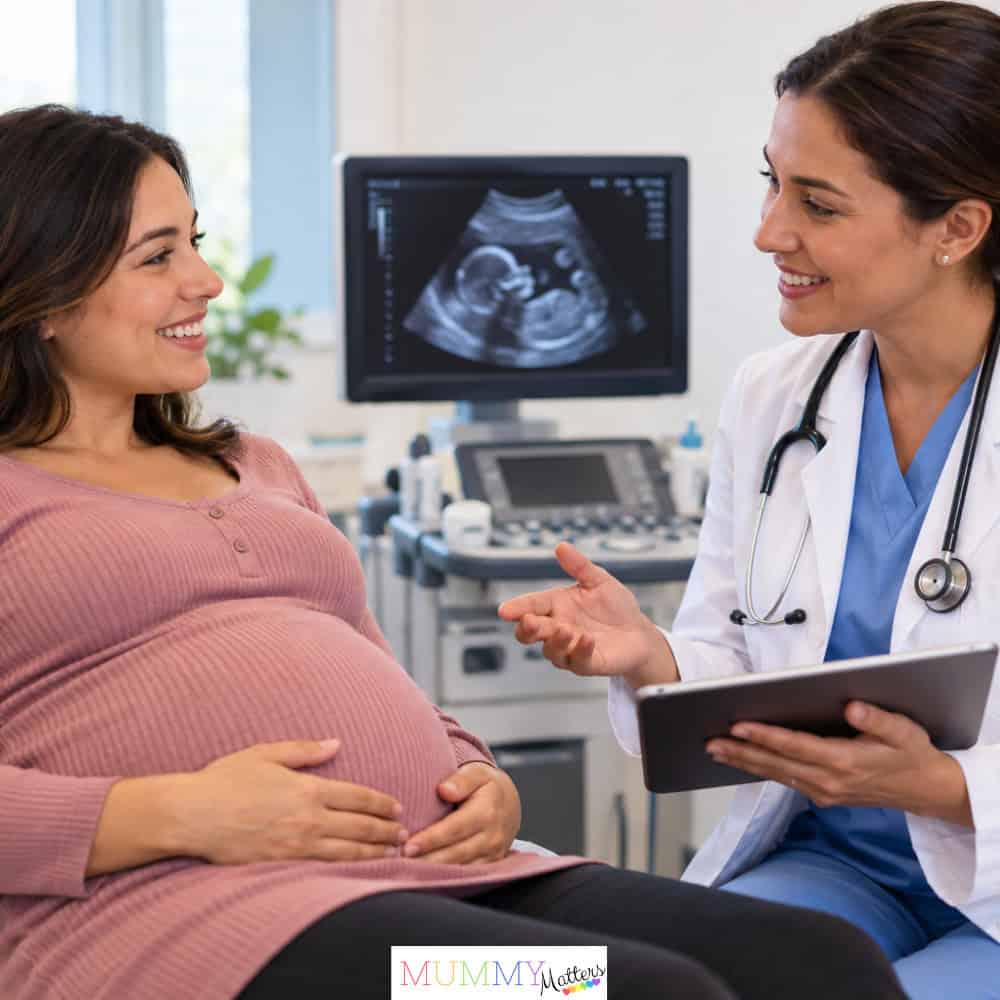
What would you do if you could identify potential health issues before they become serious problems? For pregnant individuals, prenatal care provides exactly that opportunity. Regular visits to a healthcare provider during pregnancy offer the foundation for maternal and fetal health, catching complications early and ensuring both mother and baby have the best possible outcome. The decision to prioritize prenatal care from the earliest stages of pregnancy can significantly influence the entire course of pregnancy and delivery.
1. Early Detection of Health Complications

Prenatal care allows healthcare providers to identify medical conditions that could affect pregnancy before they progress into serious complications. During routine prenatal visits, doctors perform blood tests, ultrasounds, and physical examinations designed to screen for conditions like gestational diabetes, preeclampsia, and anemia. These screenings make it possible to manage or treat issues promptly, protecting both the pregnant person and the developing baby. For example, detecting gestational diabetes early enables dietary and lifestyle modifications that prevent harm to the fetus and reduce the mother’s risk of developing type 2 diabetes later. Conditions like preeclampsia, which can become life-threatening without intervention, become manageable when caught during regular appointments. Without prenatal care, dangerous conditions may go unnoticed until they cause serious harm.
2. Monitoring Fetal Development and Growth
Throughout pregnancy, the baby’s development follows a predictable pattern that healthcare providers monitor closely during prenatal appointments. Ultrasound scans, physical examinations, and fetal heart monitoring provide detailed information about whether the baby is growing at the expected rate and developing normally. When development falls outside normal ranges, doctors can investigate further and take appropriate action to ensure the best outcome. These monitoring tools help detect structural abnormalities, growth restrictions, and other concerns that warrant special attention or planning before birth. For instance, if ultrasounds reveal that a baby is not growing adequately, the healthcare team can recommend increased nutrition, frequent monitoring, or early delivery if necessary. Regular fetal monitoring gives parents and healthcare providers crucial information needed to make informed decisions about pregnancy management and delivery planning.
3. Establishing a Healthy Pregnancy Foundation
The early weeks and months of pregnancy set the stage for everything that follows, making prenatal care during the first trimester particularly critical. Prenatal care includes counseling about proper nutrition, vitamin supplementation, and lifestyle choices that directly influence fetal development. Healthcare providers educate pregnant individuals about the importance of prenatal vitamins containing folic acid, which plays a vital role in preventing neural tube defects. Nutritional guidance ensures that both mother and baby receive adequate calories, protein, and essential nutrients needed for healthy growth and development. Pregnant individuals who need comprehensive support during this stage can access obstetric care richmond va to receive personalized guidance that helps them build and maintain healthy habits from the first trimester onward. Establishing good health habits early in pregnancy creates a solid foundation that supports optimal outcomes at delivery.
4. Managing Pregnancy-Related Discomfort and Complications
As pregnancy progresses, many individuals experience physical discomfort and complications ranging from mild to more concerning. Prenatal care provides an opportunity to address common pregnancy-related issues such as nausea, back pain, swelling, and sleep difficulties with guidance from healthcare professionals. More serious complications like gestational diabetes, preeclampsia, and infections can also be identified and managed effectively through regular prenatal visits. Healthcare providers can recommend safe treatments and coping strategies that alleviate discomfort while protecting the developing baby. For example, a pregnant person experiencing severe back pain might receive recommendations for physical therapy, specific exercises, or other treatments that are safe during pregnancy. Addressing these issues promptly improves quality of life during pregnancy and prevents them from becoming more serious health concerns.
5. Preparing for Labor, Delivery, and Postpartum Recovery
As pregnancy progresses toward delivery, prenatal care becomes increasingly focused on preparing for labor and birth. Healthcare providers discuss birth options, pain management techniques, and what to expect during labor and delivery. These conversations allow pregnant individuals and their partners to make informed choices about their birth experience and feel more confident and prepared. Prenatal care also includes screening for conditions that might require special preparations or changes to delivery plans, such as placental abnormalities or positioning issues. Healthcare providers offer guidance about postpartum recovery, breastfeeding preparation, and newborn care to ensure a smooth transition after birth. By the time labor begins, individuals who have received consistent prenatal care understand what lies ahead and have a clear plan for delivery and the weeks following birth.
Conclusion
Prenatal care represents one of the most important investments a pregnant person can make for their health and their baby’s wellbeing. The five reasons outlined here, from early detection of complications to preparation for labor and delivery, demonstrate that consistent healthcare throughout pregnancy provides comprehensive protection and support. Regular prenatal visits create opportunities to monitor fetal development, establish healthy habits, manage discomfort, and address any emerging concerns before they become serious. Healthcare providers bring expertise, diagnostic tools, and clinical judgment that help identify risks and guide appropriate interventions. Every prenatal appointment contributes to a safer pregnancy, healthier delivery, and better outcomes for both mother and baby. For anyone planning to become pregnant or already expecting, prioritizing prenatal care from the earliest stages sets the stage for a healthier pregnancy and delivery experience.