

Navigating the early months of parenthood involves balancing a constant stream of new caregiving responsibilities with the physical realities of postpartum recovery. From managing daily household routines and running errands to taking long, restorative walks outdoors, staying active while keeping an infant content is a primary goal for many families. Integrating an ergonomic infant carrier into your daily lifestyle provides a versatile hands-free solution that supports physical flexibility, encourages infant development, and fosters a close emotional connection during the crucial fourth trimester and beyond.
The Physical and Emotional Science of Infant Carrying
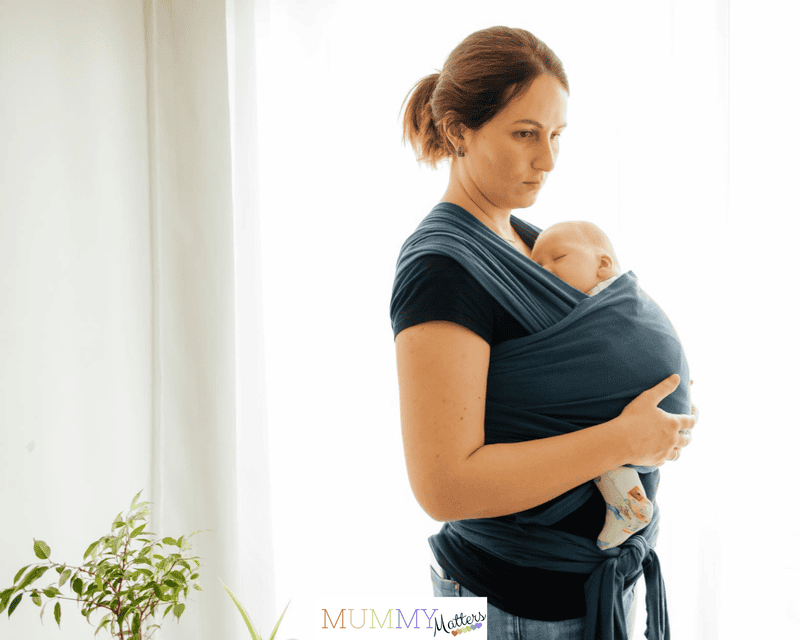
Holding an infant close against the parent’s body is an intuitive practice with deep evolutionary roots, yet modern biomechanical research continually highlights its distinct benefits for both caregiver and child. The shift from the protected womb environment to the vibrant external world can be overwhelming for a newborn, making physical proximity an invaluable tool for continuous comfort.
Physiological Co-Regulation
During the initial months of life, a newborn’s autonomic nervous system is still developing. Close chest-to-chest contact aids in co-regulation, helping stabilize the infant’s body temperature, heart rate, and respiratory rhythm.
This gentle physical feedback loop reduces stress markers, such as cortisol levels, in both the infant and the parent. As a result, carried infants often experience fewer prolonged crying spells and settle more easily into deep, restorative sleep.
Digestive Support and Colic Relief
Infant digestive systems are notoriously immature, making issue like reflux, trapped air, and colic common sources of early distress.
Maintaining an upright position during and after feedings helps gravity work naturally, preventing stomach contents from rising into the esophagus. The gentle rhythm of a caregiver’s movement while walking provides additional abdominal massage, encouraging healthy digestion and ease of movement.
Postpartum Mental Health and Bonding
The transition to parenthood brings significant hormonal fluctuations and emotional adjustments. Carrying your baby stimulates the release of oxytocin, often referred to as the bonding hormone.
This sustained release encourages strong intuitive attachment, bolsters parental confidence, and helps mitigate early symptoms of postpartum anxiety. Crucially, it provides caregivers with the physical freedom to eat, hydrate, and move comfortably while keeping their infant fully supported.
Key Principles of Ergonomics: Protecting Spine and Hip Health
Selecting appropriate gear requires understanding proper biomechanics. An infant’s skeletal framework is soft, flexible, and composed largely of cartilage, making proper alignment essential to prevent developmental complications.
The “M” Position for Healthy Hip Development
In an improper setup where an infant’s legs hang straight down, excessive pressure is placed on the hip socket, increasing the risk of developmental hip dysplasia.
An ergonomically sound setup maintains a broad spread-squat posture:
- Thigh Support: The supportive fabric extends completely from knee pit to knee pit without pinching the calves.
- Elevated Knees: The infant’s bottom sits lower than their knees, aligning the legs into a distinct “M” shape.
- Joint Centration: This alignment keeps the head of the thighbone securely centered within the hip socket, allowing optimal joint development.
Supporting the Natural “C” Curve Spine
Adult spines feature an “S”-shaped curve, but newborns are born with a primary “C”-shaped spinal curve. Forcing a baby into an artificially flat posture too early strains delicate spinal discs and back muscles.
Proper gear gently supports this natural spinal curvature while keeping the child’s torso secure against the caregiver, preventing slumping or twisting.
Protecting Caregiver Physical Health and Posture
Caregiver physical comfort is equally vital. Carrying extra weight daily can strain shoulder muscles, alter gait, and irritate lower back tissues if weight is improperly distributed.
Crucial Design Features for Wearer Comfort
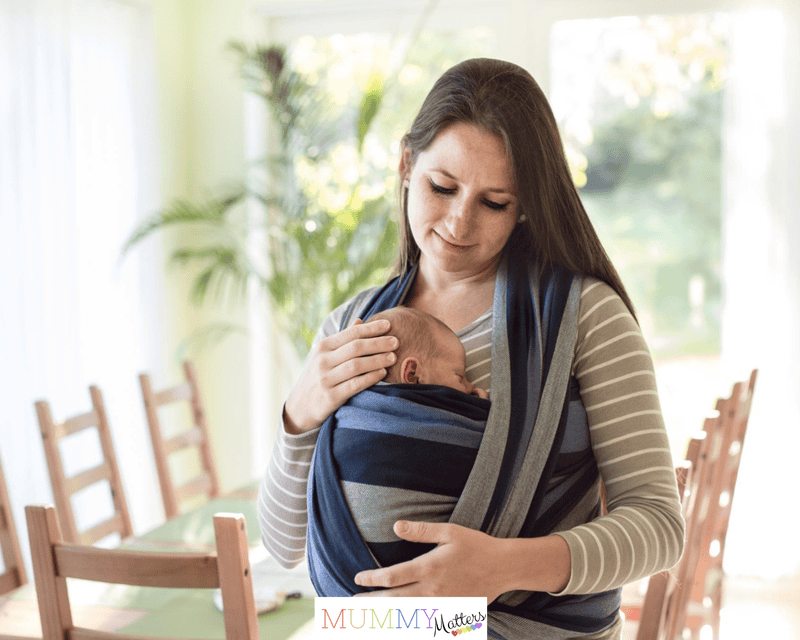
- Structured Lumbar Waistbands: Transfer up to 70% of the child’s weight directly to the wearer’s hips and pelvis, alleviating pressure on the lumbar spine.
- Broad, Padded Shoulder Straps: Distribute weight across the trapezius muscles and upper back to minimize neck strain and shoulder digging.
- Crossable Straps or Cross-Back Options: Allow for custom weight distribution across varying torso lengths and body shapes, preventing shoulder slippage during movement.
Adapting your routine across changing seasons ensures your infant remains safe, comfortable, and thermally regulated regardless of climate conditions.
Summer and Warm-Weather Guidelines
Overheating is a significant risk for young infants who cannot regulate body temperature efficiently.
- Select Breathable Materials: Choose light, woven natural fibers like cotton, linen, or technical moisture-wicking mesh.
- Account for Extra Layers: Treat the carrying equipment as at least one full layer of clothing. Dress your baby minimally underneath.
- Sun Safety: Apply infant-safe sunblock to exposed legs and arms, and use a wide-brimmed hat to protect the head and neck.
Winter and Cold-Weather Guidelines
Cold-weather carrying requires thoughtful layering without adding dangerous bulk.
- Avoid Thick Padded Snowsuits: Bulky outerwear prevents straps from fitting snugly, leading to dangerous slumping and potential airway restriction.
- Layer Thin Base Clothing: Dress your child in thin, insulating layers such as thermal wool or fleece sleepsuits.
- Use External Covers: Place the harness over indoor clothing and apply an oversized coat, specialized panel, or weather cover over the outside to share body heat safely.
Safety Standards: The TICKS Checklist
Safety must always remain the top priority during hands-free carrying. Following the universally recognized TICKS guidelines ensures your child’s airway remains clear and their posture fully supported.
1. Tight for Full Support
The harness should fit snugly against your body. A loose fit allows the infant to slump, which can collapse their small airway and restrict normal breathing.
2. In View at All Times
You must be able to see your child’s face clearly by looking down. Ensure no fabric, coats, or accessories cover their mouth or nose.
3. Close Enough to Kiss
Your baby should sit high on your chest. Simply tipping your chin forward should allow you to easily kiss the top of their head.
4. Keep Chin Off the Chest
Ensure there is consistently a gap of at least two adult fingers beneath your baby’s chin to prevent airway occlusion.
5. Supported Back
The child’s back should be supported in its natural posture so their tummy and chest rest comfortably against your torso without slumping sideways.
Selecting the Right Equipment for Your Routine
Different developmental stages and lifestyle activities call for specific gear designs.
- Newborn Wraps and Slings
- Best For: The initial 0–4 months, indoor soothing, and gentle fourth-trimester bonding.
- Characteristics: Soft, stretchable fabric that provides custom-molded support around a newborn’s delicate frame.
- Structured Multi-Position Gear
- Best For: Active outings, longer walks, travel, and growing infants from 3 months into toddlerhood.
- Characteristics: Intuitive buckle fasteners, firm lumbar support, padded straps, and versatile carrying options (front inward, back carry).
- Hip Seat Designs
- Best For: Older infants and active toddlers (6+ months) who frequently transition between walking and being held.
- Characteristics: Features a sturdy, cushioned shelf that rests on the wearer’s hip, taking the heavy lift off the arms while preserving ergonomic hip alignment.
Conclusion
Hands-free carrying is far more than a transport method—it is a supportive lifestyle choice that balances an infant’s developmental requirements with a parent’s need for daily physical freedom. By applying sound ergonomic principles, following strict TICKS safety guidelines, and selecting equipment tailored to your family’s routine, you can enjoy months of comfortable, active, and reassuring bonding.