
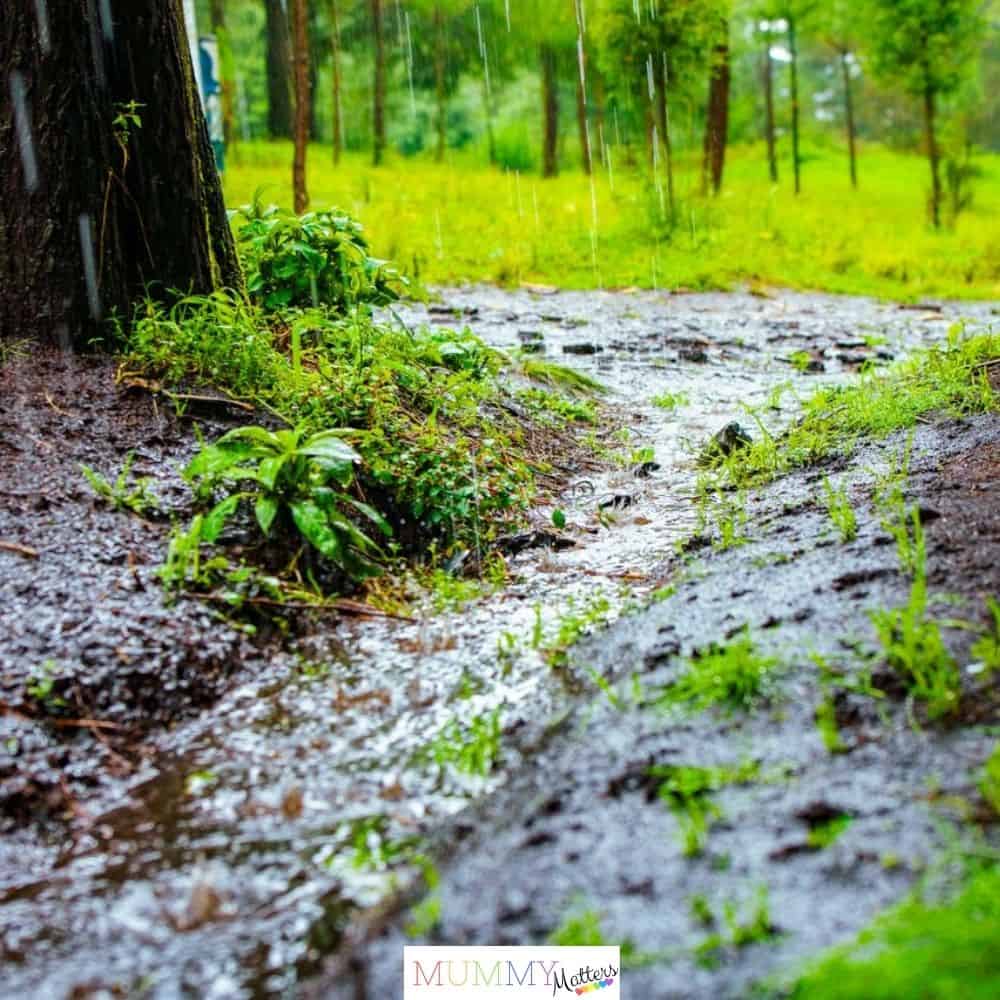
A yard is supposed to handle rain without much thought from the person who owns it. Water lands on the grass, soaks into the soil, and disappears within a few hours. When that stops happening, the signs are easy to overlook at first. A patch of lawn stays a little greener and a little softer than the rest. A low spot near the driveway takes a full day to dry.
Over time, those small details turn into wide puddles, muddy shoes, and grass that will not grow back. Homeowners in Palm Harbor deal with this more often than most, simply because heavy rain arrives quickly and the ground does not always have time to absorb it. Learning how to read your own property is the first step toward fixing it.
Why Some Yards Hold Water Longer Than Others
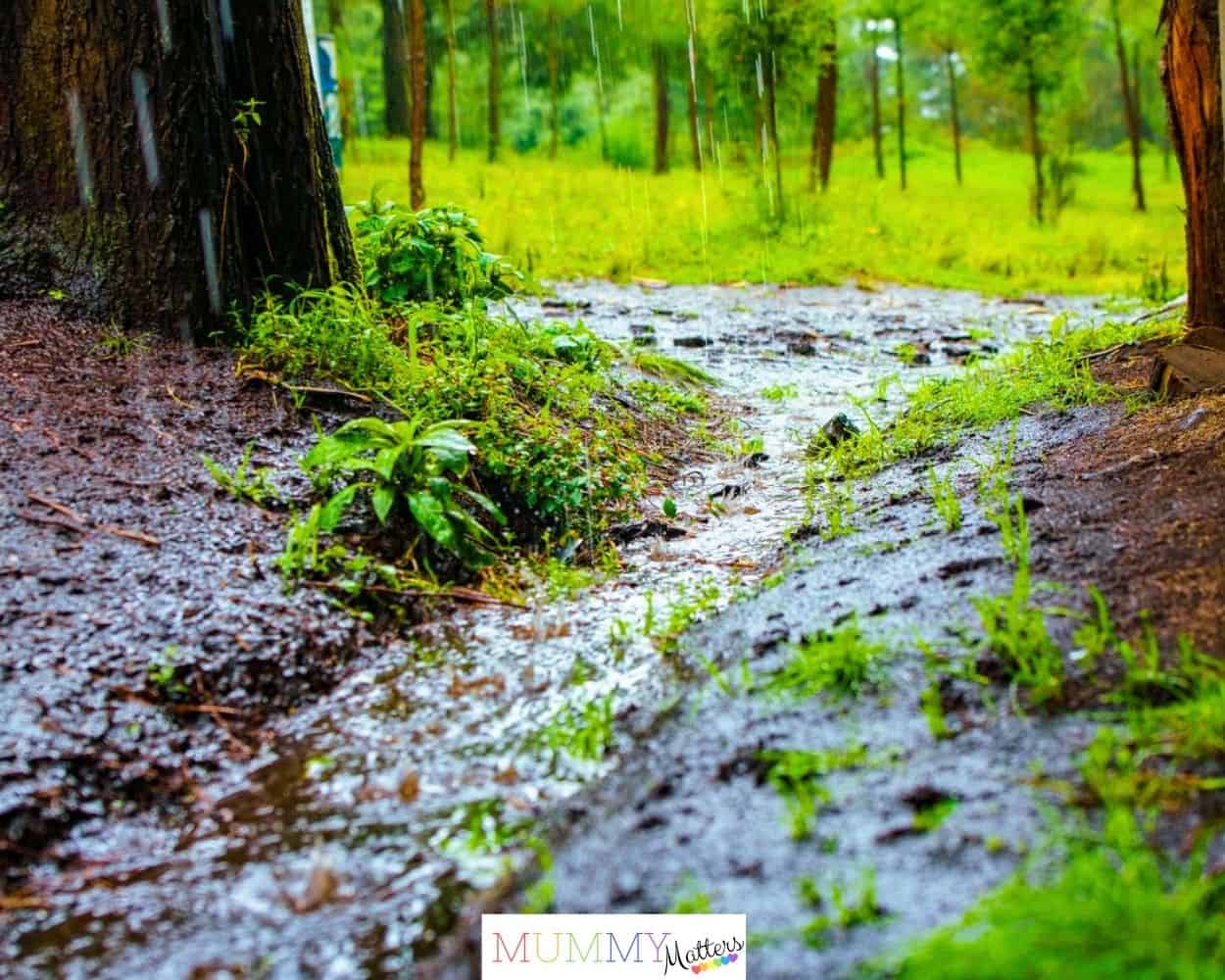
Every property sits on a slope of some kind, even when the ground looks perfectly flat to the eye, and that slope decides where rainwater ends up. Many homeowners eventually look into French drains because water keeps collecting in the same low corner of the lawn season after season, no matter how much topsoil or new grass they add. What solves that problem is a proper underground channel that gives water a clear path away from the house instead of letting it sit and soak. For a permanent fix, property owners often arrange professional french drain installation in Palm Harbor so that rainfall is guided away from the foundation and the lawn before it has a chance to settle.
Early Warning Signs Homeowners Often Miss
Drainage trouble rarely announces itself. It builds quietly, and the earliest clues look like ordinary yard problems. Grass that turns yellow in one area while the rest of the lawn looks healthy is a common first hint, because roots sitting in wet soil cannot take in air. Moss appearing along a shaded side of the house is another. So is soil that feels spongy underfoot two or three days after the last rain.
Look also at the edges of paved surfaces. When water pushes soil away from a walkway or a patio, thin gaps open up along the sides and small channels form in the dirt. Those channels are a record of where water travels during a storm. Follow them, and you will usually find the low point where everything collects.
Mosquitoes are the sign most people notice last and complain about first. They need very little standing water to breed, and a shallow puddle that lingers for a few days is more than enough.
What Happens Beneath the Surface
The visible puddle is only part of the story. Soil holds water the way a sponge does, and once it is saturated, anything new simply sits on top. That saturated layer presses against whatever it touches, including the concrete of your foundation and the walls of any structure sitting below grade.
Roots suffer too. Grass, shrubs, and trees all need air pockets in the soil, and constant moisture closes those pockets up. Plants that looked strong for years can start thinning out with no obvious cause. Replacing them without addressing the water underneath simply repeats the expense.
The Damage Standing Water Can Cause Over Time
Slow damage is expensive damage, because nobody budgets for it. Moisture that sits against a foundation works its way into small cracks, and those cracks widen with every wet and dry cycle. Wood near ground level begins to rot. Mulch washes out of beds and lands on the driveway. Fence posts loosen because the soil holding them has turned soft.
Inside the home, the effects show up as a musty smell in a closed room, or higher humidity that never quite goes away. None of these problems begin indoors. They begin at the lowest point in the yard, where water has nowhere else to go.
How Rainfall Patterns Shape the Problem
Steady, gentle rain is easy for most properties to absorb. Short and heavy downpours are the ones that cause trouble, because they deliver more water in an hour than the soil can take in during a full day. When that happens, the excess runs across the surface and gathers wherever the ground dips.
Roof runoff makes it worse. A single roof sends an enormous volume of water to a handful of discharge points, and if those points empty right beside the wall of the house, the soil in that spot never gets a chance to dry out. Many yards that seem badly sloped are actually just overwhelmed at two or three specific places.
Simple Checks You Can Do After a Heavy Storm
The best time to inspect a property is while it is still wet. Walk the full perimeter of the house within an hour of the rain stopping and note where water is standing and how deep it is. Mark those spots with a stick or a stone so you can find them again later.
Check where the roof empties and see whether the water is being carried a safe distance away or simply dropped at the base of the wall. Look at flower beds and note whether soil has shifted. Then return the next day and see which areas have dried and which have not. Anything still wet after twenty-four hours is a problem area, not a coincidence.
Keep a short written record over a few storms. Patterns become obvious very quickly, and that information makes any conversation with a professional far more productive.
Caring for Your Yard Once the Water Moves Freely
A working drainage setup still benefits from attention. Keep leaves and loose debris off any grates or openings, since a covered outlet cannot do its job. Avoid parking heavy equipment over buried lines, and be careful when digging for new plantings.
Watch how your yard behaves through a full year of weather. If an area that drained well begins holding water again, something has shifted or become blocked, and catching it early keeps the repair small.
A Drier Yard Starts With a Clear Plan
Water damage on a property is almost never sudden. It builds over seasons while the owner assumes a wet corner is just part of living there. Paying attention to where water goes, acting on the early signs, and putting a proper system in place turns a recurring frustration into a solved problem. The lawn recovers, the foundation stays protected, and the yard becomes usable again no matter how hard it rains.