
For years, most of my travel planning has revolved around family holidays: finding destinations where everyone will feel comfortable, entertained and reasonably well fed, while making sure the journey itself doesn’t leave us needing another holiday to recover. But as our children have grown older, I’ve found myself thinking more about the kinds of trips Simon and I might one day take for ourselves.
South Africa has always been particularly high on our wish list because Simon spent five years of his childhood living just outside Cape Town. He has long talked about returning one day, revisiting some of the places he remembers and seeing how much they have changed. For me, it would be an opportunity to experience a country that has played an important part in his story, while making completely new memories there together.
Rather than rushing through an airport and treating the journey as something to endure, I love the idea of choosing an experience where travelling becomes one of the most memorable parts of the holiday. There is something wonderfully romantic about slowing down, settling into a comfortable suite and watching an entire country unfold beyond the window.
A luxury train journey from Cape Town to Pretoria offers precisely that opportunity. Travelling across approximately 1,600 kilometres of South Africa, the route passes through the vineyards and mountains of the Western Cape, the vast semi-desert landscapes of the Karoo and the open grasslands of the Highveld. Along the way, passengers can step off the train to explore historic Matjiesfontein and discover Kimberley’s fascinating diamond-mining history.
This isn’t simply an extravagant alternative to flying between two cities. It is a chance to experience the changing landscapes, history and hospitality of South Africa at a more thoughtful pace. With elegant surroundings, private accommodation, fine dining and carefully planned excursions, the train transforms the distance between Cape Town and Pretoria into a destination in its own right.
Whether you’re planning a milestone birthday, a special anniversary, a honeymoon or the trip you have promised yourselves you will take “one day”, this guide explains what makes the journey so distinctive, what you can expect on board and what you should consider before booking.
Cape Town to Pretoria Luxury Train Journey at a Glance
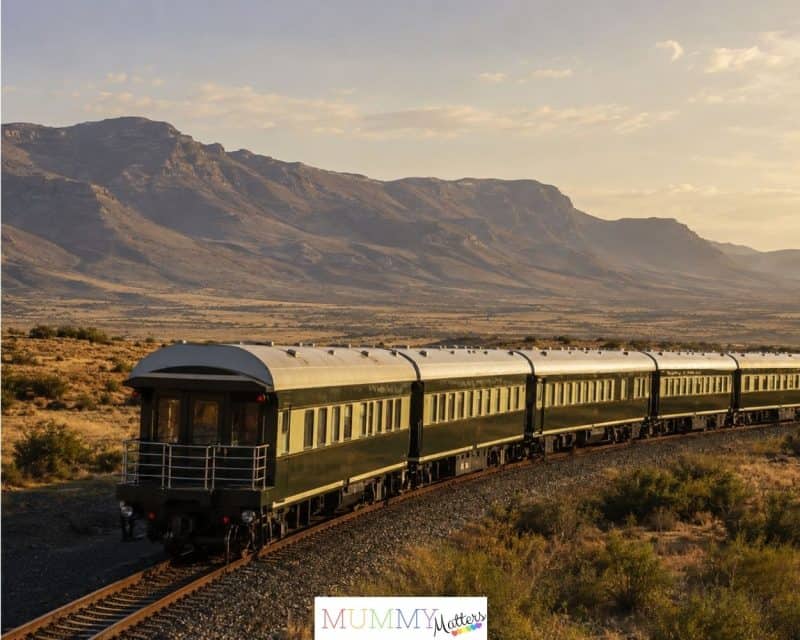
The classic Rovos Rail journey between Cape Town and Pretoria covers approximately 1,600 kilometres over three nights and four days. It is designed for travellers who want to see more of South Africa than they would from an aeroplane window, without having to drive long distances or repeatedly change hotels.
| Journey detail | What to expect |
|---|---|
| Route | Cape Town to Pretoria |
| Duration | Three nights and four days |
| Approximate distance | 1,600 kilometres |
| Main landscapes | Cape Winelands, Hex River Valley, Great Karoo and Highveld |
| Scheduled excursions | Matjiesfontein and Kimberley |
| Accommodation | Pullman, Deluxe or Royal Suite |
| Dining | Breakfast, lunch, afternoon tea and formal evening meals |
| Direction | The journey is also available from Pretoria to Cape Town |
| Best suited to | Couples, solo travellers and adults celebrating a special occasion |
The journey usually begins at Cape Town Station before travelling through the Cape Winelands and towards the mountains of the Western Cape. Instead of simply carrying passengers between two cities, the carefully paced itinerary allows time to appreciate how dramatically the scenery changes as the train moves inland.
One of the first major stops is Matjiesfontein, a small Victorian village that grew around the railway during the late nineteenth century. Passengers can leave the train to explore its historic buildings and railway exhibits before continuing through the vast landscape of the Great Karoo.
The journey also includes an excursion in Kimberley, a city closely connected to South Africa’s diamond-mining history. Here, passengers can visit the Diamond Mine Museum and the Big Hole before rejoining the train for the final part of the route towards Pretoria.
Although three nights may not sound particularly long, the combination of scenery, excursions, dining and time spent relaxing on board makes the journey feel like a complete experience rather than an extended transfer. For travellers who want to explore more of the country, longer itineraries are also available, including the 12-night African Collage journey with additional cultural experiences, coastal scenery and wildlife excursions.
Exact timings, stopping points and arrangements can change, so it is important to check the current itinerary supplied for your chosen departure before booking flights or accommodation around the train journey.
What Makes Rovos Rail Different From an Ordinary Train Journey?
Most train journeys are designed to get passengers from one station to another as efficiently as possible. Rovos Rail takes the opposite approach. The pace is deliberately unhurried, allowing the landscapes, onboard service and shared experience of the journey to become just as important as the final destination.
Established in 1989, Rovos Rail is known for its carefully restored vintage carriages, wood-panelled interiors and traditional style of hospitality. Stepping aboard is intended to feel like entering another era, although the private suites and en-suite bathrooms provide comforts that earlier rail travellers could only have imagined.
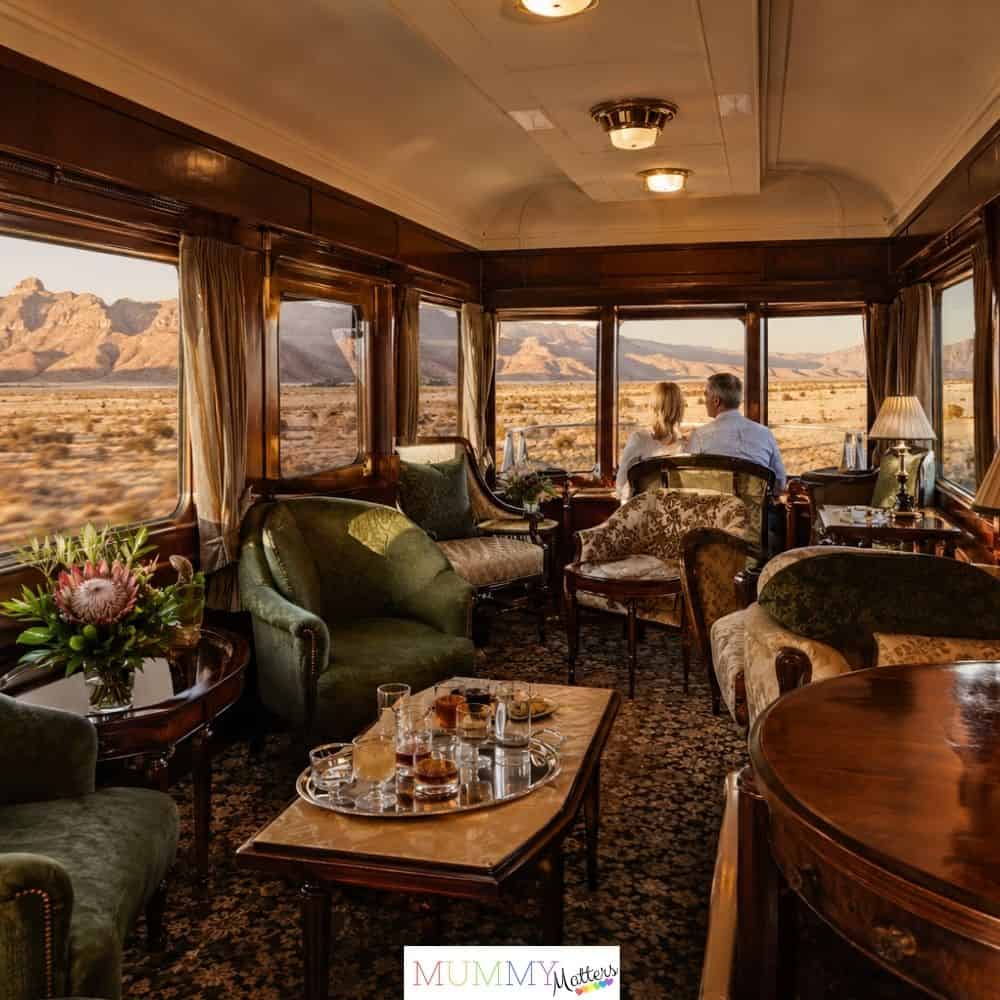
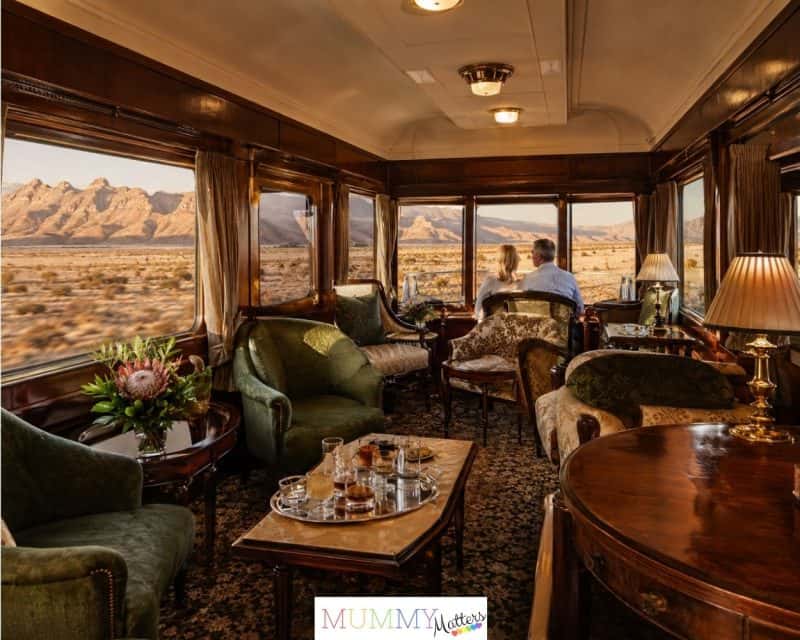
The atmosphere is closer to that of a small country-house hotel than a conventional sleeper train. During the day, passengers can read, talk, enjoy the scenery or sit in the observation car as the landscape changes outside. Meals are treated as occasions rather than something hurriedly eaten from a tray, while afternoon tea provides another reason to pause and appreciate the journey.
Another significant difference is the lack of televisions and onboard Wi-Fi. For some travellers, being disconnected may initially feel inconvenient. However, it is also part of the attraction. Without constant notifications, work emails or the temptation to scroll, there is time to have uninterrupted conversations, read a book or simply watch the South African landscape pass by.
The train’s observation car is likely to be one of the most memorable places on board. Its large windows provide wide views of the countryside, while the open-air balcony at the rear allows passengers to experience the changing sights, sounds and temperatures more directly. It should be particularly appealing to photographers, although using a wrist or neck strap for your camera would be sensible while the train is moving.
Perhaps the greatest luxury is not the polished wood, formal dinners or personal service, but having permission to slow down. There are no airport queues to negotiate between Cape Town and Pretoria, no need to repack every morning and no long days behind the wheel. Once aboard, passengers can settle into their suite and allow the journey to unfold around them.
What Will You See Between Cape Town and Pretoria?
For years, most of my travel planning has revolved around family holidays: finding destinations where everyone will feel comfortable, entertained and reasonably well fed, while making sure the journey itself doesn’t leave us needing another holiday to recover. But as our children have grown older, I’ve found myself thinking more about the kinds of trips Simon and I might one day take for ourselves.
South Africa has always been particularly high on our wish list because Simon spent five years of his childhood living just outside Cape Town. He has long talked about returning one day, revisiting some of the places he remembers and seeing how much they have changed. For me, it would be an opportunity to experience a country that has played an important part in his story, while making completely new memories there together.
Rather than rushing through an airport and treating the journey as something to endure, I love the idea of choosing an experience where travelling becomes one of the most memorable parts of the holiday. There is something wonderfully romantic about slowing down, settling into a comfortable suite and watching an entire country unfold beyond the window.
A luxury train journey from Cape Town to Pretoria offers precisely that opportunity. Travelling across approximately 1,600 kilometres of South Africa, the route passes through the vineyards and mountains of the Western Cape, the vast semi-desert landscapes of the Karoo and the open grasslands of the Highveld. Along the way, passengers can step off the train to explore historic Matjiesfontein and discover Kimberley’s fascinating diamond-mining history.
This isn’t simply an extravagant alternative to flying between two cities. It is a chance to experience the changing landscapes, history and hospitality of South Africa at a more thoughtful pace. With elegant surroundings, private accommodation, fine dining and carefully planned excursions, the train transforms the distance between Cape Town and Pretoria into a destination in its own right.
Whether you’re planning a milestone birthday, a special anniversary, a honeymoon or the trip you have promised yourselves you will take “one day”, this guide explains what makes the journey so distinctive, what you can expect on board and what you should consider before booking.
What Is Life Like Aboard Rovos Rail?
Life aboard Rovos Rail follows a gentle rhythm. There are meals and excursions to give each day some structure, but there is also plenty of time when you are not expected to be anywhere or do anything. That freedom is an important part of the experience.
Mornings begin with breakfast in the dining car as the South African landscape passes the windows. Depending on the itinerary, you might then leave the train for an excursion or spend the morning reading, talking to other passengers and enjoying the view from one of the lounge cars.
Lunch is followed later in the day by afternoon tea, before passengers return to their suites to prepare for dinner. The slower pace means meals do not feel squeezed between sightseeing appointments. They become part of the entertainment and provide opportunities to try South African ingredients, wines and traditional flavours.
Dining On Board
Meals are freshly prepared by the onboard chefs and served in dedicated dining cars. Menus change during the journey and normally include a combination of local produce, meat, seafood, vegetables and desserts, accompanied by selected South African wines.
Dietary requirements should be discussed when booking rather than left until departure. Although the team can accommodate many needs, the kitchen is working within the restrictions of a moving train and may require advance notice to source suitable ingredients.
Dinner is more formal than the daytime meals. Dressing for the evening helps create the sense that each night is a special occasion, although it does mean that passengers need to pack more carefully than they would for an ordinary rail journey.
Time to Relax
Between meals and excursions, passengers can use the lounge, observation and club cars. These shared spaces provide somewhere to meet fellow travellers or enjoy a change of scene from your private suite.
The open-air balcony at the rear of the observation car is ideal for taking photographs and feeling more connected to the landscape. The lounge cars, meanwhile, offer comfortable seating for reading, conversation or simply watching the view.
Your suite also provides a private retreat. Depending on the category selected, it will include daytime seating, sleeping accommodation, storage and an en-suite bathroom. A dedicated host or hostess is available to assist passengers, and suites are serviced during the journey.
A Sociable but Peaceful Experience
Luxury rail travel can be surprisingly sociable. Shared excursions, lounge cars and formal meals create natural opportunities to talk to people from around the world. For couples, this provides a pleasant balance between spending time together and meeting fellow travellers.
However, socialising is not compulsory. There are also plenty of quiet corners, and your suite gives you somewhere private to retreat whenever you want some time alone. The overall atmosphere is refined and peaceful, making the journey particularly suitable for travellers who appreciate good food, conversation and a slower style of sightseeing.
What Does an All-Inclusive Cape Town to Pretoria Package Cover?
Luxury rail travel represents a significant investment, so it is important to understand exactly what is included before comparing prices. A lower headline fare may not offer the same suite category, excursions, transfers or additional accommodation as a more comprehensive itinerary.
For travellers who would prefer to have the main arrangements organised in one place, all-inclusive Cape Town to Pretoria rail packages make it easier to compare the classic three-night journey with longer itineraries and combination tours. These can also help you plan how the rail experience will fit alongside time in Cape Town, Pretoria or elsewhere in South Africa.
The classic Rovos Rail fare generally includes:
- Accommodation in your chosen suite
- Breakfast, lunch, afternoon tea and dinner
- Selected alcoholic and non-alcoholic drinks
- A selection of South African wines with meals
- Scheduled off-train excursions
- Entrance fees associated with included excursions
- Twenty-four-hour room service
- Onboard service from the train’s staff
However, “all-inclusive” does not necessarily mean that every element of your holiday is covered. Depending on the package selected, you may still need to budget separately for:
- Flights between the UK and South Africa
- Travel insurance
- Accommodation before or after the rail journey
- Airport and hotel transfers
- Premium or imported drinks
- Optional tours and activities
- Personal purchases
- Staff gratuities
- Visa or entry costs, where applicable
Package inclusions can differ, particularly when a rail journey is combined with hotels, safaris, internal flights or guided tours. Ask for a written breakdown showing exactly what is included, which suite category has been quoted and whether the price is per person or per suite.
It is also worth checking the cancellation and amendment conditions, especially if you are booking well in advance. Comprehensive travel insurance should be arranged as soon as the holiday is confirmed rather than shortly before departure.
A specialist booking company can be particularly helpful with a journey like this because the train is likely to form only one part of a longer South African holiday. Having assistance coordinating arrival dates, hotels and onward travel reduces the risk of leaving too little time between different elements of the trip.
Which Rovos Rail Suite Should You Choose?
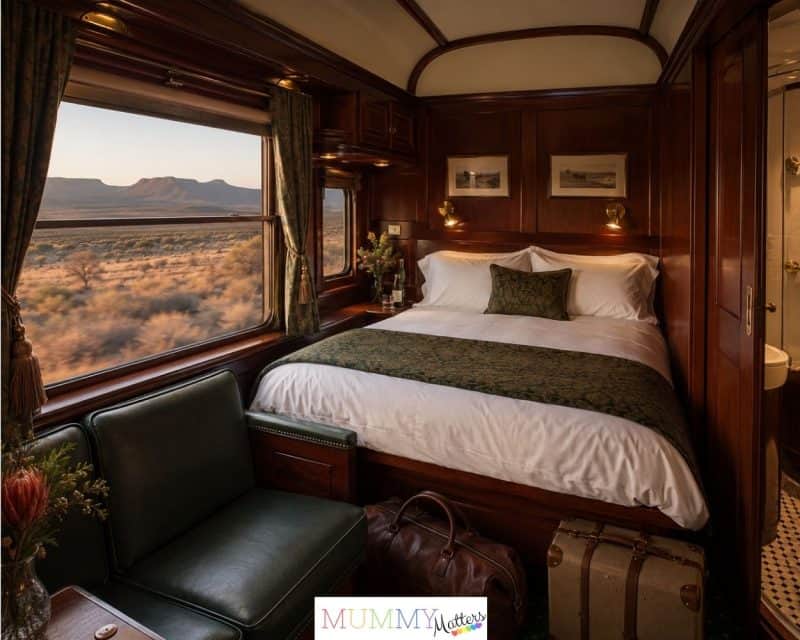
Rovos Rail offers three main categories of accommodation: Pullman, Deluxe and Royal Suites. All include an en-suite bathroom, air conditioning, storage, a safe, tea-making facilities and daily servicing, but there are significant differences in space and layout.
| Suite | Sleeping arrangement | Bathroom | Main advantage | Best suited to |
|---|---|---|---|---|
| Pullman | Double or twin beds converted from daytime seating | En-suite shower | The most affordable way to experience Rovos Rail | Travellers prioritising the shared areas and overall journey |
| Deluxe | Fixed double or twin beds with a separate lounge area | En-suite shower | More space to relax privately during the day | Couples wanting additional comfort without choosing the highest category |
| Royal | Double or twin beds in a suite occupying approximately half a carriage | En-suite with a separate shower and Victorian-style bath | The greatest space, privacy and luxury | Honeymoons, anniversaries and significant celebrations |
Pullman Suite
The Pullman Suite is the smallest and ordinarily the least expensive of the three choices. During the day, the sleeping area is arranged as seating before being converted into double or twin beds while guests are at dinner.
Although the space is compact, it still provides a private en-suite shower room and the essential comforts required for the journey. It could be the best-value option if you expect to spend most of your waking hours in the dining, lounge and observation cars.
When comparing Pullman fares, check whether you have been quoted for a Pullman Suite or the newer, more spacious Pullman Gold configuration, as the layout and price may differ.
Deluxe Suite
The Deluxe Suite offers noticeably more room, including fixed beds and a separate lounge area. Not having the bed converted each evening may make the suite feel more like a small hotel room, while the additional seating gives couples somewhere comfortable to relax privately.
For many travellers, the Deluxe Suite is likely to provide the best balance between space and cost. It is particularly worth considering on a longer journey or if either passenger expects to spend more time resting in the suite.
Royal Suite
The Royal Suite is the most spacious option, occupying approximately half a railway carriage. Alongside a bedroom and private lounge area, it includes an en-suite bathroom with both a separate shower and a Victorian-style bath.
Choosing the Royal Suite is about more than having somewhere to sleep. The accommodation becomes a considerable part of the experience itself. It would be an indulgent choice for a honeymoon, anniversary or milestone trip, particularly if you value privacy and intend to spend plenty of time enjoying your suite.
Questions to Ask Before Selecting Your Suite
Before booking, consider more than the price difference. Ask for the floor plan and photographs of the specific suite category being quoted, and check:
- Whether you require double or twin beds
- How much luggage storage is available
- Whether the bed remains fixed during the day
- What bathroom facilities are included
- Whether mobility or accessibility could be an issue
- How much time you expect to spend in the suite
- Whether the fare is per person or for the entire suite
The train’s corridors and historic carriages may feel narrow compared with a modern hotel, while movement can be noticeable when walking or sleeping. Anyone with reduced mobility should discuss their individual requirements with the booking company before confirming the journey.
What Should You Pack for Rovos Rail?
Packing for Rovos Rail requires a little more planning than packing for a conventional sightseeing holiday. You will need comfortable clothes for relaxing, practical footwear for excursions and smarter outfits for dinner, without bringing so much luggage that your suite becomes cluttered.
Daytime Clothing
The daytime dress code is generally smart casual. Passengers do not need to dress formally while relaxing in the lounge or observation cars, but beachwear, tracksuits and very casual clothing would feel out of place.
Comfortable daytime options could include:
- Lightweight dresses, skirts or smart trousers
- Shirts, blouses or polo shirts
- A cardigan, jumper or light jacket
- Flat shoes with a secure sole
- A sun hat and sunglasses
- A warmer layer for mornings and evenings
Flat or low-heeled shoes are particularly sensible aboard a moving train. Even when the ride feels smooth, the carriages can sway unexpectedly as you walk through them.
Evening Wear
Dinner is treated as an occasion, and passengers are expected to change into more formal clothing. Current guidance should always be checked before travelling, but men will generally need a collared shirt and tie, while women commonly wear cocktail dresses, elegant separates or an evening suit. Jackets and more formal evening wear are welcome but may not be compulsory on every departure.
For a three-night journey, choosing outfits that can share shoes, accessories or a jacket will help keep luggage manageable. A wrap or shawl is also useful if the dining car or evening air feels cool.
Clothing for Excursions
The stops in Matjiesfontein and Kimberley involve time away from the train, so pack comfortable walking shoes rather than relying entirely on evening footwear. Sunscreen, a hat and a refillable water bottle are also sensible additions.
South Africa’s seasons are opposite to those in the UK. Conditions can vary considerably between Cape Town, the Karoo and Pretoria, and temperatures may drop sharply after sunset. Check the forecast for every part of the route shortly before travelling and pack layers rather than assuming the entire journey will be hot.
Practical Items to Bring
In addition to clothing, consider packing:
- Passport and travel documents
- Printed and digital copies of your itinerary
- Travel insurance details
- Prescription medication in its original packaging
- Sunscreen and insect repellent
- Camera, spare batteries and memory cards
- A secure strap for your camera or phone
- A book, journal or downloaded audio content
- A suitable South African travel adaptor
- A small day bag for excursions
- Any essential toiletries or preferred hair products
There may be limited connectivity during the journey, so download books, music, maps and travel documents before boarding. It is also sensible to tell close family members that you may not be easily contactable for several days.
Check the current luggage guidance for your chosen departure before packing. Storage inside historic railway suites is naturally more limited than it would be in a hotel, so soft-sided luggage may be easier to store than large rigid cases.
Is Rovos Rail Suitable for Families?
Although Rovos Rail can accommodate children on some journeys, this is not a conventional family train holiday. The atmosphere, dining arrangements, excursions and onboard facilities are primarily designed for adults.
There are no children’s clubs, organised activities or child-minding services aboard the train. Passengers are also asked to respect its quiet, sophisticated atmosphere, particularly in the shared lounge and dining cars. Long journeys are generally not recommended for children under 13, although the shorter Cape Town to Pretoria route may be more manageable for the right child.
After years of travelling with children, I know that suitability has far more to do with temperament than simply age. A teenager who enjoys history, photography, reading, dressing for dinner and watching the world go by might find the experience fascinating. A younger or particularly energetic child who needs frequent activity, outdoor space and entertainment could find three nights aboard a train restrictive.
Parents should also consider:
- Whether their child will enjoy long, quiet periods on board
- The formal evening dress expectations
- The absence of televisions, Wi-Fi and organised entertainment
- The length and content of the excursions
- Whether the available food will suit them
- Sleeping arrangements and suite occupancy limits
- The cost, as older children may be charged the full adult fare
- How confidently the child could move through narrow corridors on a moving train
Suite occupancy is another important consideration. Historic cabins are not designed like modern family hotel rooms, and families may need to reserve more than one suite. If that would mean a child sleeping separately, discuss connecting or nearby accommodation and supervision arrangements before booking.
Current age restrictions, child fares and suite-sharing rules should always be confirmed for the particular departure, as policies can change. Parents should also provide details of dietary, medical, sensory or mobility requirements before paying a deposit.
For our family, I suspect this would work best as a future trip for Simon and me rather than one we would have attempted when all three children were small. However, families with mature older teenagers could find it an unforgettable way to experience South Africa together. The key is to choose the journey for the children you actually have, rather than the beautifully dressed and endlessly patient ones who appear in travel brochures.
How to Include Rovos Rail in a Wider South African Holiday
Travelling from the UK to South Africa for a three-night train journey alone would be difficult to justify, both financially and in terms of travel time. The route makes much more sense as the centrepiece of a longer holiday, with several days in Cape Town before departure and another experience after arriving in Pretoria.
For us, spending time around Cape Town would be essential. Simon would naturally want to revisit some of the places he remembers from childhood, while I would want enough time to experience the city and surrounding landscape without rushing from one attraction to the next.
A possible two-week itinerary could look like this:
| Day | Suggested plan |
|---|---|
| 1 | Fly from the UK to Cape Town |
| 2–5 | Explore Cape Town and allow time to recover from the flight |
| 6 | Visit the Cape Winelands, Cape Peninsula or somewhere meaningful from Simon’s childhood |
| 7–10 | Travel from Cape Town to Pretoria aboard Rovos Rail |
| 10–11 | Spend time in Pretoria or Johannesburg |
| 12–14 | Add a safari, nature reserve or another South African destination |
| 15 | Begin the journey home |
Allow Time in Cape Town
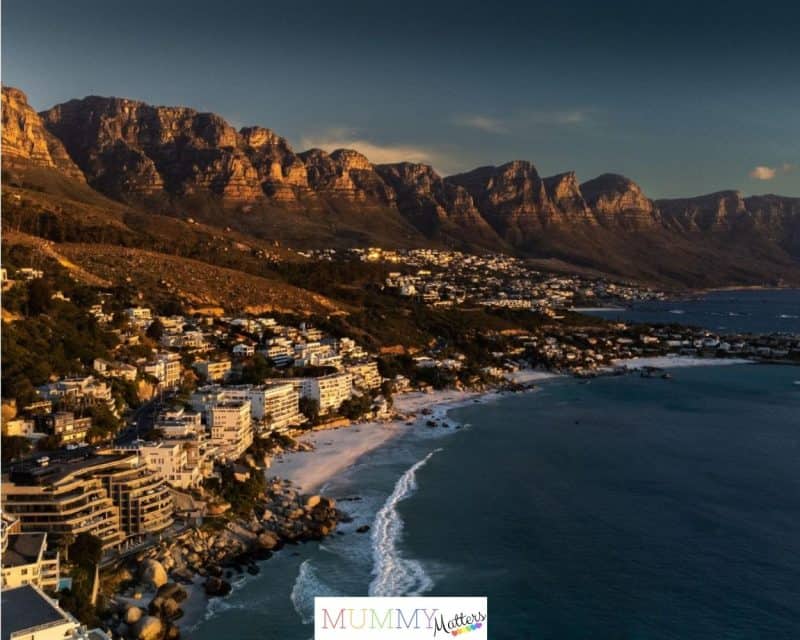
Cape Town deserves more than a brief overnight stay before boarding the train. Depending on your interests and the weather, you might want to visit Table Mountain, Robben Island, the V&A Waterfront, Kirstenbosch National Botanical Garden or the Cape Peninsula.
The nearby Cape Winelands can also be explored before departure, although the train itself begins by passing through part of this landscape. Spending a few days in the region allows you to experience its towns, vineyards and restaurants rather than only seeing them through the carriage window.
Build in at least one relatively quiet day after arriving from the UK. Beginning an expensive rail journey while tired, delayed or waiting for missing luggage would not be the relaxing start you had imagined.
Decide What to Do After Pretoria
Pretoria can be explored in its own right, or used as a gateway to Johannesburg and the next part of your holiday. Some travellers continue to a safari destination, while others add Victoria Falls, Durban or another rail journey.
The best choice will depend on your available time, budget and priorities. If seeing wildlife is central to your South African plans, do not assume the Cape Town to Pretoria train includes a traditional Big Five safari. Its main attractions are the landscapes, history and onboard experience, so a separate safari should be arranged.
Leave Breathing Space Between Bookings
Railways operate within real transport networks, and timings can occasionally change because of conditions outside the train company’s control. Avoid arranging an onward flight that depends on the train arriving at an exact minute.
An overnight stay after disembarking gives you some breathing room and allows the rail journey to end without an immediate rush to the airport. The same principle applies before departure: arriving in Cape Town several days early protects this important part of the holiday from disruption to your international flight.
A specialist can coordinate the train, hotels, transfers and additional experiences, but read the itinerary carefully rather than assuming every connection is protected. Knowing who is responsible for each part of the booking will make it much easier to obtain help if plans change.
Is a Cape Town to Pretoria Luxury Train Journey Worth It?
Travelling from the UK to South Africa for a three-night train journey alone would be difficult to justify, both financially and in terms of travel time. The route makes much more sense as the centrepiece of a longer holiday, with several days in Cape Town before departure and another experience after arriving in Pretoria.
For us, spending time around Cape Town would be essential. Simon would naturally want to revisit some of the places he remembers from childhood, while I would want enough time to experience the city and surrounding landscape without rushing from one attraction to the next.
A possible two-week itinerary could look like this:
| Day | Suggested plan |
|---|---|
| 1 | Fly from the UK to Cape Town |
| 2–5 | Explore Cape Town and allow time to recover from the flight |
| 6 | Visit the Cape Winelands, Cape Peninsula or somewhere meaningful from Simon’s childhood |
| 7–10 | Travel from Cape Town to Pretoria aboard Rovos Rail |
| 10–11 | Spend time in Pretoria or Johannesburg |
| 12–14 | Add a safari, nature reserve or another South African destination |
| 15 | Begin the journey home |
Allow Time in Cape Town
Cape Town deserves more than a brief overnight stay before boarding the train. Depending on your interests and the weather, you might want to visit Table Mountain, Robben Island, the V&A Waterfront, Kirstenbosch National Botanical Garden or the Cape Peninsula.
The nearby Cape Winelands can also be explored before departure, although the train itself begins by passing through part of this landscape. Spending a few days in the region allows you to experience its towns, vineyards and restaurants rather than only seeing them through the carriage window.
Build in at least one relatively quiet day after arriving from the UK. Beginning an expensive rail journey while tired, delayed or waiting for missing luggage would not be the relaxing start you had imagined.
Decide What to Do After Pretoria
Pretoria can be explored in its own right, or used as a gateway to Johannesburg and the next part of your holiday. Some travellers continue to a safari destination, while others add Victoria Falls, Durban or another rail journey.
The best choice will depend on your available time, budget and priorities. If seeing wildlife is central to your South African plans, do not assume the Cape Town to Pretoria train includes a traditional Big Five safari. Its main attractions are the landscapes, history and onboard experience, so a separate safari should be arranged.
Leave Breathing Space Between Bookings
Railways operate within real transport networks, and timings can occasionally change because of conditions outside the train company’s control. Avoid arranging an onward flight that depends on the train arriving at an exact minute.
An overnight stay after disembarking gives you some breathing room and allows the rail journey to end without an immediate rush to the airport. The same principle applies before departure: arriving in Cape Town several days early protects this important part of the holiday from disruption to your international flight.
A specialist can coordinate the train, hotels, transfers and additional experiences, but read the itinerary carefully rather than assuming every connection is protected. Knowing who is responsible for each part of the booking will make it much easier to obtain help if plans change.
Frequently Asked Questions About the Cape Town to Pretoria Train
How long does the Rovos Rail journey from Cape Town to Pretoria take?
The classic journey lasts three nights and four days, covering approximately 1,600 kilometres. Longer itineraries that incorporate the same route are also available.
What stops are included between Cape Town and Pretoria?
The classic itinerary ordinarily includes excursions in Matjiesfontein and Kimberley. Exact stops and timings should be checked against the itinerary issued for your chosen departure.
Can you travel from Pretoria to Cape Town instead?
Yes, the classic journey operates in both directions. Travelling towards Pretoria allows you to begin your holiday in Cape Town, while the reverse journey can provide a memorable ending with the Cape scenery and city waiting at your destination.
Is there Wi-Fi aboard Rovos Rail?
Rovos Rail is designed to provide a largely disconnected experience, so passengers should not expect onboard Wi-Fi. Mobile reception will also vary along the route. Download travel documents and entertainment in advance, and tell family members that you may be difficult to contact.
What is included in the fare?
The rail fare normally includes your chosen suite, meals, selected drinks, room service and scheduled excursions with associated entrance fees. International flights, travel insurance, pre- and post-journey accommodation, premium drinks, personal purchases and gratuities may cost extra.
Do passengers have to dress formally?
Daytime clothing is generally smart casual, while dinner requires smarter evening attire. Current dress requirements should be confirmed before packing, as guidance can change. Comfortable walking shoes are also needed for excursions.
Are there private bathrooms in the suites?
Yes. Pullman, Deluxe and Royal Suites have private en-suite facilities. Pullman and Deluxe Suites include a shower, while Royal Suites also feature a Victorian-style bath.
Can children travel on Rovos Rail?
Children may be accepted on some departures, but the train maintains a quiet, adult atmosphere and does not offer children’s entertainment or child-minding. Long journeys are not generally recommended for younger children, and suite-sharing restrictions may apply. Confirm the current child policy and fare directly before booking.
Is the journey a safari?
The Cape Town to Pretoria route is often described as a rail safari because it provides an immersive way to travel through the South African landscape. However, it should not be confused with a wildlife safari involving dedicated game drives. Travellers who want to see the Big Five should add a separate safari experience to their itinerary.
Will you feel the train moving at night?
Passengers should expect some movement, noise and vibration because this is a working train travelling on an active railway network. Some people find the rhythm relaxing, while lighter sleepers may prefer to pack earplugs. Anyone particularly sensitive to motion should consider how they normally respond to rail travel before booking.
How far ahead should you book?
Availability depends on the departure date and suite category, with the most spacious suites and popular dates likely to sell first. Because the journey often forms part of a larger international holiday, booking well in advance also provides more choice for flights, hotels and connecting experiences.
Do UK travellers need a visa for South Africa?
Entry requirements depend on your nationality, the purpose and length of your visit, and can change. UK travellers should check the latest South African entry requirements and the UK Government’s foreign travel advice before booking and again shortly before departure.
Final Thoughts
Some journeys are simply a practical way to reach a destination. Others become the story you continue telling long after the holiday has ended. Travelling from Cape Town to Pretoria aboard Rovos Rail appears firmly designed to be the latter.
The appeal is not only found in the elegant suites, formal dinners or attentive service. It is in watching vineyards give way to mountains, desert and grassland; stepping off the train to discover places shaped by South Africa’s railway and mining history; and having the time to notice how the country changes between its two cities.
It would not be the right experience for every traveller. The price, formal atmosphere and slower pace require careful consideration, particularly for families with younger children. However, for couples celebrating something special or anyone who believes that the journey should be as memorable as the destination, it offers an experience that flying cannot reproduce.
For Simon, returning to the area around Cape Town would reconnect him with a significant part of his childhood. For me, it would be a chance to see the places I have heard about while creating completely new memories together. Beginning that return with time in Cape Town and then watching South Africa unfold from the train feels far more meaningful than simply boarding another flight.
Perhaps that is the real attraction of luxury train travel. It gives you permission to stop counting how quickly you can arrive and start appreciating everything that happens along the way. For now, Rovos Rail remains firmly on our wish list — but it is exactly the kind of “one day” journey that deserves to become a real plan.
Editor’s note: We have not personally travelled aboard Rovos Rail. This guide has been independently researched using current information from the train operator, specialist booking providers and official travel guidance. Simon spent five years of his childhood living just outside Cape Town, and returning to South Africa remains an important part of our personal travel wish list. Itineraries, inclusions, prices and travel requirements can change, so always confirm the latest details before booking.