
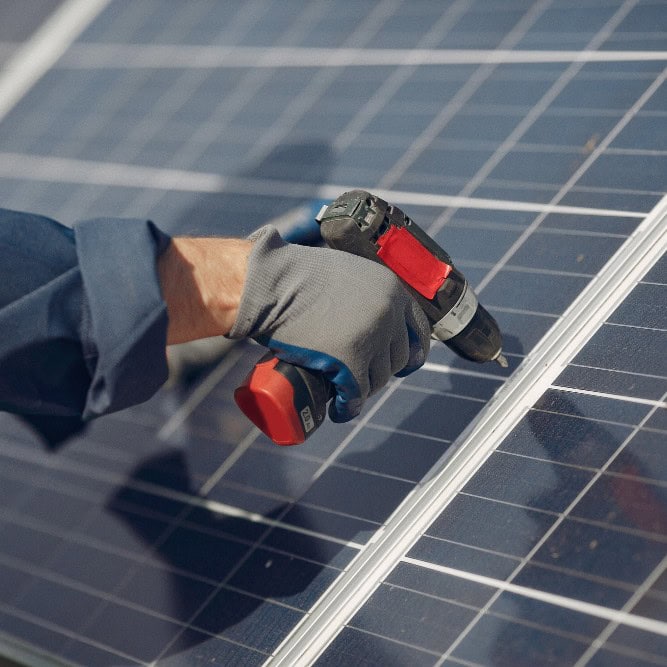
Solar panels are rapidly becoming one of the most popular renewable energy solutions in the UK, providing homeowners with an efficient way to reduce their energy bills and contribute to a cleaner environment. With increasing demand for solar panels in the UK, choosing the right system for your home can feel overwhelming. There are a variety of options available, each with its own benefits, and understanding what will work best for your needs is key to making an informed decision.
In this comprehensive guide, we’ll walk you through the process of selecting the right solar panels for your home, including factors to consider, the best types of panels, and how to choose the right solar panel installation companies for your project.
Why Solar Panels Are a Good Investment for UK Homeowners
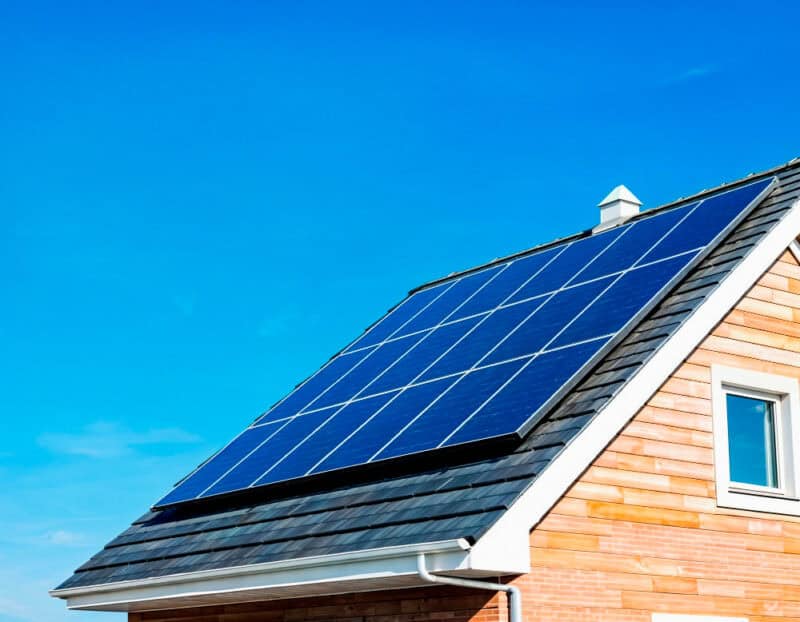
Before diving into how to choose the best solar panels for your home, let’s briefly explore why solar energy is such a great option in the UK.
- Lower Energy Bills: With the rising cost of electricity in the UK, solar panels offer homeowners an excellent way to reduce energy bills. By generating your own electricity, you can rely less on the grid and save money over time.
- Government Incentives: The UK government offers various incentives for homeowners who invest in solar panels, such as the Smart Export Guarantee (SEG), which allows you to get paid for the excess energy your panels produce.
- Environmental Benefits: Solar energy is clean, renewable, and sustainable. Installing solar panels in your home is a powerful way to reduce your carbon footprint and contribute to global sustainability efforts.
- Property Value Increase: Homes with solar panels are increasingly attractive to buyers, with studies suggesting they sell at a higher price and faster than homes without solar installations.
Now, let’s explore how to choose the right system for your home.
1. Assess Your Home’s Solar Suitability
Before you begin researching specific solar panels, it’s essential to evaluate whether your home is suitable for solar installation. Several factors will influence how effective your solar panels will be in generating energy.
Roof Condition and Size
The condition, size, and orientation of your roof will play a major role in the efficiency of your solar panels. To maximize energy generation, solar panels should ideally be installed on a south-facing roof that gets direct sunlight throughout the day. Roofs that are shaded or face east or west may not be as effective.
Consider these factors:
- Roof Size: A larger roof gives you more space to install panels, which is essential for generating sufficient electricity, especially if your household has high energy consumption.
- Roof Condition: Ensure your roof is in good condition before installation. If your roof needs repairs or is nearing the end of its lifespan, it may need to be replaced before solar panels can be installed.
- Tilt and Angle: Solar panels work most efficiently at certain angles. Depending on your roof’s pitch, your installer might recommend adjusting the tilt of the panels.
Location and Sunlight Exposure
While the UK isn’t known for its constant sunshine, solar panels can still generate significant energy even on cloudy days. That said, areas with more sunlight exposure, like the South of England, will benefit from greater efficiency. Be sure to assess how much sunlight your home receives throughout the year.
2. Understand the Different Types of Solar Panels
Not all solar panels are created equal. There are three main types of solar panels, and each comes with its own set of benefits. Let’s take a closer look at the different options available for your home.
Monocrystalline Solar Panels
Monocrystalline panels are the most popular and efficient type of solar panel on the market. Made from high-purity silicon, these panels offer excellent energy output and have a sleek, black appearance. They are a great option if you’re looking for high efficiency, especially if you have limited roof space.
Pros:
- High energy efficiency (up to 22%)
- Long lifespan (25+ years)
- Compact design, ideal for small roofs
Cons:
- Higher upfront cost
Polycrystalline Solar Panels
Polycrystalline panels are made from silicon crystals that are melted together. They are generally less expensive than monocrystalline panels but are also less efficient. Polycrystalline panels are a great choice if you have more roof space and are looking for a more budget-friendly option.
Pros:
- More affordable than monocrystalline panels
- Reliable performance
Cons:
- Lower efficiency (around 15-17%)
- Larger size required for the same energy output
Thin-Film Solar Panels
Thin-film solar panels are lightweight and flexible, making them a great option for unusual roof shapes or locations. While they are not as efficient as monocrystalline or polycrystalline panels, they are a good choice if you are on a budget or have space limitations.
Pros:
- Flexible and lightweight
- Affordable
- Ideal for large areas with less focus on efficiency
Cons:
- Low energy efficiency (around 10-12%)
- Shorter lifespan compared to other panels
3. Consider Your Energy Needs and Budget
Your energy consumption will determine the size of the solar panel system you need. Larger homes with higher energy demands will require a more extensive setup, while smaller homes may only need a modest system. Here’s how to factor in your energy needs:
Energy Usage
Start by looking at your monthly electricity bills to understand how much energy your household consumes. Most homeowners install a system that covers their average consumption, but if you have high energy needs (e.g., electric heating, air conditioning), you may need a larger system.
Budget
The cost of solar panel installation in the UK varies depending on the type of system, installation complexity, and your location. On average, you can expect to pay between £3,000 and £8,000 for a residential installation. Remember that the UK government offers financial incentives and payment schemes like the Smart Export Guarantee that can help offset some of the costs.
4. Choose the Right Solar Panel Installation Company
Once you’ve assessed your home’s suitability and energy needs, it’s time to find the right solar panel installation company. Choosing the right installer is critical to ensuring the success and efficiency of your system.
Things to Look for in a Solar Installer
- Experience and Reputation: Look for companies with a proven track record of successful installations. Check reviews, case studies, and testimonials to ensure they have experience with homes similar to yours.
- Certifications: Ensure the installer is accredited by the Renewable Energy Consumer Code (RECC) and is a MCS-certified installer. These certifications ensure they adhere to industry standards and provide quality workmanship.
- Warranties and Aftercare: A reliable solar installer should offer warranties on both the panels and the installation. Be sure to ask about the terms and conditions of the warranty and whether they offer aftercare services for system maintenance.
5. Understand the Installation Process
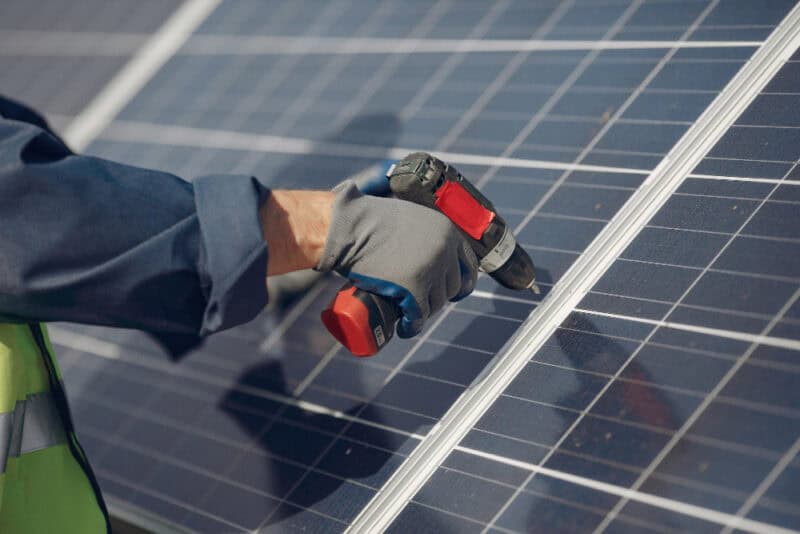
The installation process typically takes between 1-3 days, depending on the size and complexity of the system. Here’s a quick overview of what to expect:
- Site Survey: A professional installer will assess your roof, energy needs, and the best placement for the panels.
- System Design: Based on the survey, the installer will design a custom solar energy system for your home.
- Installation: The solar panels and associated components (such as inverters and batteries) are installed.
- Commissioning and Testing: Once installed, the system will be tested and connected to the grid, and you can start generating solar power!
Is Solar the Right Choice for Your Home?
Choosing the right solar panels for your home is a significant decision that requires careful consideration of various factors. By understanding your energy needs, the available options, and the costs involved, you can make a well-informed decision. Solar panel installation companies can help guide you through the process, offering expert advice and tailored solutions to suit your home’s requirements.
Key Takeaways:
- Monocrystalline panels are the most efficient but come with a higher price tag, making them ideal for smaller roofs.
- Polycrystalline panels are budget-friendly but less efficient, making them a good option if you have more roof space.
- Thin-film panels are suitable for unconventional roofs or large spaces but offer the lowest efficiency.
- Proper installation is key to the success of your solar system, so choosing a certified and experienced installer is crucial.
If your home is suitable for solar energy, investing in solar panels could reduce your long-term energy costs, increase your home’s value, and help you contribute to a greener planet.
Conclusion
Installing solar panels in the UK is a smart, sustainable choice for homeowners looking to reduce their energy bills and support renewable energy. By considering your roof suitability, energy needs, and available budget, you can make an informed decision and select the best solar panels for your home. With the right system and a reputable solar panel installation company, you’ll be well on your way to enjoying the many benefits of solar energy.