
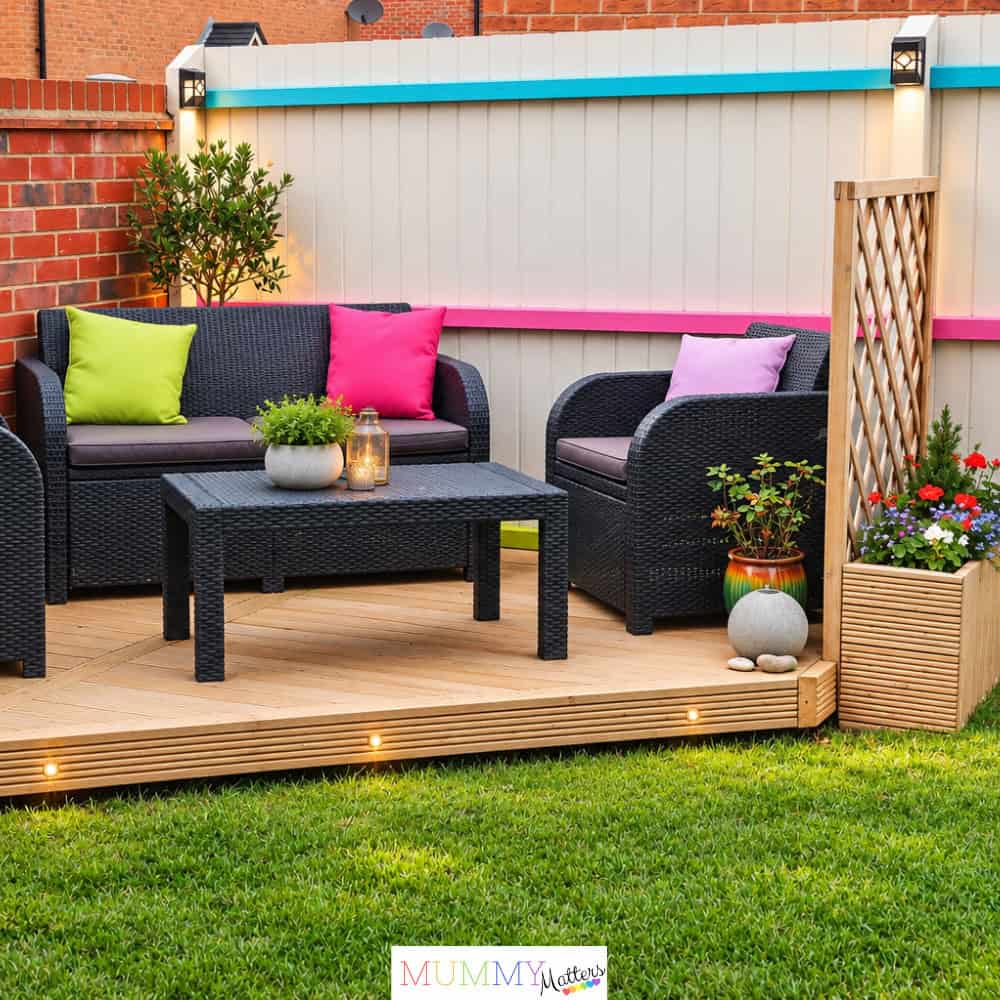
Your deck spends every season outdoors, so rain and strong sunlight can gradually take a toll on the wood. Without regular care, small signs of weather exposure can turn into problems that require more time and attention. Fortunately, protecting your outdoor space doesn’t have to become another complicated home project. These simple ways to protect your deck from the elements can help you stay ahead of common concerns while keeping the space ready for family time.
Keep the Surface Clean

A clean deck makes it easier to spot changes in the wood before they become bigger concerns. Leaves can hold moisture against the surface after rain, especially when they collect in corners or between objects. Sweep regularly so damp debris doesn’t sit on the boards longer than necessary.
You’ll also want to clean the surface more thoroughly when dirt starts to build up. Choose a cleaning method that’s appropriate for your decking material, and follow any care instructions that came with it. Regular cleaning can keep buildup from becoming harder to tackle later.
Apply the Right Finish
If you have a wood deck, an appropriate exterior finish can help reduce its exposure to moisture. Some finishes also help limit the effects of sunlight on the wood. Since products vary, check the label to make sure the finish is suitable for your decking.
Don’t assume that one application will last indefinitely. Check the manufacturer’s guidance for reapplication and pay attention to changes in the surface. If water no longer beads on a previously treated deck as the product guidance indicates it should, check whether the finish needs reapplying.
Protect Exposed Post Tops
You probably spend more time looking at the deck boards than the tops of your railing posts. Those cut ends remain exposed to the weather, so rain can land directly on the wood. Covering them can reduce direct moisture exposure while giving your railing a more finished appearance.
Post caps offer one way to cover these exposed areas, although they don’t replace normal wood maintenance. If you’re considering them, it helps to understand why backyard deck post caps are important and what they can realistically do. You’ll still need to check the posts regularly and address cracks or deterioration when you find them.
Fit matters if you decide to add caps. Measure the actual top of each post rather than relying only on its nominal size. A properly sized cap should fit the post it’s meant to cover.
Keep Water Moving Away
After a rainy day, look at the areas around your deck. If water consistently collects near the structure, the surrounding drainage may need attention. Try to prevent standing water from lingering around the deck and keeping nearby areas damp.
Gutters and downspouts can also influence where rainwater ends up around your home. Check whether they direct runoff toward the deck or the ground immediately beside it. If runoff repeatedly reaches the deck, correcting its path can prevent you from dealing with the same problem after every storm.
Leave Room for Airflow
Plants can make a deck look lush and welcoming, but dense growth against the structure can keep nearby areas damp. Give plants enough space so air can circulate the wood. You can still enjoy greenery without letting it crowd every edge of your deck.
Pay similar attention to objects that stay in one place for long periods. Move planters or outdoor storage occasionally so you can clean underneath and inspect the surface. You may catch trapped debris or lingering dampness that wasn’t visible from above.
Check Fasteners and Boards
Weather doesn’t affect every part of a deck in the same way. As you use the space, pay attention to boards that seem different underfoot or fasteners that no longer look secure. Checking these areas regularly can help you catch changes sooner.
Don’t try to hide structural concerns with cosmetic fixes. If a board shows significant deterioration or part of the railing moves unexpectedly, the underlying issue deserves proper attention. Contact a qualified professional when you’re unsure about the condition or safety of the structure.
Make Seasonal Checks Manageable
You don’t need to turn deck care into an all-day inspection every weekend. A quick check every few months can make maintenance easier to manage. Pay closer attention to areas that stay exposed to rain or strong sunlight.
A simple check can include:
- Looking for changes in the wood
- Noticing areas that stay damp
- Checking whether railing posts remain secure
- Watching for loose or raised fasteners
- Clearing debris from gaps and corners
These quick checks can help you decide whether your deck needs routine cleaning or a closer inspection. They also make it easier to address one concern at a time rather than letting several small jobs accumulate.
Use Furniture With Care
Outdoor furniture helps turn a deck into a space where your family wants to spend time. However, heavy pieces can stay in the same position for months, making it harder to spot problems underneath. Move them occasionally so you can inspect the boards below.
Be thoughtful about anything that may trap water against the deck after rain. If an outdoor rug stays wet for long periods, check the surface beneath it and follow the care guidance for your decking material. Moving these items occasionally can make routine maintenance easier without disrupting the space you’ve created.
Clear Snow Carefully
If winter brings snow to your area, use care when clearing your deck. Choose tools and methods that won’t damage the decking surface. Avoid assuming a product suitable for a driveway will automatically suit your deck.
You should also follow the decking manufacturer’s recommendations when using ice-control products. Different decking materials may require different winter care, so follow the guidance for yours. Once warmer weather returns, check your deck for any changes that developed over winter.
The best deck care usually comes from noticing changes early rather than waiting for the space to look worn. Once you work these simple strategies into your normal routine, protecting your deck from the elements becomes much easier to manage. You can deal with smaller concerns as they appear and spend more time enjoying the space.